Support our educational content for free when you purchase through links on our site. Learn more
10 Clothing Brands Promoting Body Positivity Campaigns 🌈

The best clothing brands promoting body positivity campaigns back up inclusive imagery with thoughtful fit, accessible sizing, and products designed for real lives. Brands like Aerie, Universal Standard, Girlfriend Collective, and TomboyX are worth exploring—but a campaign photo is only the beginning.
We’ve seen shoppers light up when they find a swimsuit or pair of leggings that feels made for them, not merely modeled by someone who looks like them. That’s the difference to look for: representation that carries through from the campaign to the size chart, product design, and shopping experience.
Key Takeaways
- Look beyond campaign photos: Check size availability, garment measurements, fit notes, and customer feedback.
- Explore brands with different strengths: Aerie is known for AerieREAL; Summersalt for swimwear; TomboyX for gender-inclusive styles; and Universal Standard for size-inclusive essentials.
- Inclusive fashion means more than extended sizes: Consider representation across race, gender, age, disability, and body shape, plus accessible and adaptive design.
- Balance the message with the evidence: Unretouched imagery and empowering language can be positive signs, but consistent products and practices matter more.
- Choose what works for your body and style: Compare fabrics, construction, support, return policies, and reviews before you buy.
Table of Contents
- ⚡ Quick Tips and Facts: Body-Positive Clothing Brands at a Glance
- 📚 Body Positivity in Fashion: Background and Campaign History
- From Body Acceptance to Size-Inclusive Marketing
- Body Positivity, Body Neutrality, and Inclusive Fashion: What’s the Difference?
- 🔎 What Makes a Clothing Brand’s Body-Positive Campaign Credible?
- Size Ranges, Fit, and Access to Products
- Representation Across Race, Gender, Age, and Disability
- Inclusive Design, Accessibility, and Adaptive Clothing
- Ethical Marketing Versus Performative Body Positivity
- 👗 10 Clothing Brands Promoting Body Positivity and Inclusive Campaigns
- 1. Aerie: Unretouched Images and the #AerieREAL Campaign
- 2. Summersalt: Swimwear Campaigns Featuring Diverse Bodies
- 3. TomboyX: Gender-Inclusive Underwear and Body Acceptance
- 4. Plus BKLYN: Plus-Size Fashion and Community-Led Representation
- 5. Girlfriend Collective: Inclusive Activewear and Size Representation
- 6. Noworks: Playful Prints, Size Range, and Body Diversity
- 7. Universal Standard: Size-Inclusive Clothing and Fit Innovation
- 8. Parade: Inclusive Underwear Campaigns and Self-Expression
- 9. Chromat: Runway Representation and Body-Positive Swimwear
- 10. Knix: Inclusive Intimates and Real-Body Campaigns
- 🧵 How to Compare Body-Positive Clothing Brands
- Size Charts, Measurements, and Fit Reviews
- Clothing Categories: Everyday Wear, Activewear, Swimwear, and Intimates
- Materials, Durability, and Sustainability Claims
- Returns, Accessibility, and Shopping Experience
- 📣 How to Tell If a Body-Positivity Campaign Is More Than a Photoshoot
- Questions to Ask About Brand Policies and Product Design
- How Customers Can Give Useful Feedback
- 💬 Common Criticisms of Body Positivity in Fashion
- Token Representation and Limited Size Availability
- Commercialization, Retouching, and Beauty Standards
- The Difference Between Inclusive Advertising and Inclusive Business Practices
- 🌍 The Future of Body-Inclusive Fashion Campaigns
- Beyond Plus-Size Marketing Toward Representation for Everyone
- How Social Media and Consumer Advocacy Shape Brand Accountability
- Conclusion
- Recommended Links
- ❓ FAQ: Clothing Brands Promoting Body Positivity Campaigns
- What clothing brands promote body positivity?
- What is the difference between body positivity and size inclusivity?
- How can you tell if a brand’s body-positive campaign is authentic?
- Are body-positive clothing brands always plus-size inclusive?
- Which brands offer gender-inclusive clothing?
- How do you find clothing that fits a range of body shapes?
- 📖 Reference Links
⚡ Quick Tips and Facts: Body-Positive Clothing Brands at a Glance
If you’re looking for clothing brands promoting body positivity campaigns, start with the clothes—not just the campaign photos. At Clothing Brands™, our stylists look for the unglamorous details that make a real difference: available sizes, thoughtful fit, accessible shopping, and representation that continues after the launch post disappears.
| Brand | Known for | What to check before shopping |
|---|---|---|
| Summersalt | Swimwear and diverse campaign imagery | Check the current size range and garment-specific fit notes |
| TomboyX | Gender-inclusive underwear and apparel | Review the current chart for each style; cuts and compression vary |
| Plus BKLYN | Plus-size boutique fashion and community | Inventory can vary because the shop carries a mix of labels and pieces |
| Girlfriend Collective | Activewear and extended sizing | Compare compression, inseam, and fabric details |
| Noworks | Bold prints and expressive clothing | Limited-edition patterns and styles may sell out |
| Universal Standard | A broad size range and everyday staples | Use the item-specific fit guidance rather than assuming one size across the range |
| Parade | Colorful underwear and intimates | Check current availability, style details, and return rules |
| Chromat | Fashion-forward swimwear and runway inclusion | Some styles are more directional; examine construction and fit |
| Knix | Intimates, activewear, and functional designs | Match the absorbency or support level to your needs |
| Yogamaters | Yoga apparel and accessories | Confirm the current collection and regional size availability |
Quick shopping rules:
- ✅ Check the size chart for the exact garment, not just the brand’s general chart.
- ✅ Look for more than campaign diversity: check product photos, construction notes, and the sizes actually in stock.
- ✅ Read reviews from shoppers whose body shape or fit needs resemble yours.
- ❌ Don’t treat a broad size label as proof that the garment is well graded or comfortable.
- ❌ Don’t assume a campaign image represents every product category or season.
A useful starting point for brand-by-brand research is our Clothing Brand Guides. We’ll return to one key question throughout: does the brand’s inclusivity show up in the fit room, or only in the feed?
📚 Body Positivity in Fashion: Background and Campaign History

Body-positive fashion campaigns challenge the idea that stylish clothing, desirable imagery, or a seat at the fashion table belong to only one body type. The movement has roots in fat-acceptance activism, while contemporary conversations also address race, gender, disability, age, and the pressures created by narrow beauty standards.
From Body Acceptance to Size-Inclusive Marketing
Fashion marketing has often presented a narrow ideal as if it were universal. Body-positive campaigns push back by showing people with different bodies wearing—and enjoying—fashion. But a more varied casting lineup is only one piece of the job.
The National Association to Advance Fat Acceptance provides background on fat-acceptance advocacy. For a research-led perspective on media and body image, the American Psychological Association explains how body image relates to thoughts, feelings, and social influences.
The industry has made visible progress in some areas, particularly the presence of extended size ranges and more varied campaign casting. Yet representation can still be episodic: a brand may feature a diverse campaign and then return to a much narrower visual standard.
The supplied summary of the featured webinar makes a similar distinction: extending sizes can become a “token gesture” if inclusion is not built into design, fit, and brand practice. It also raises “curve washing”—the tendency to present a limited slice of plus-size bodies as if it represented everyone. You can watch the featured video for its discussion of these challenges and practical ways brands can improve.
Body Positivity, Body Neutrality, and Inclusive Fashion: What’s the Difference?
These ideas overlap, but they aren’t interchangeable:
| Term | What it generally emphasizes | What it can mean while shopping |
|---|---|---|
| Body positivity | Challenging stigma and affirming that all bodies deserve respect | Campaigns that show varied bodies and reject shame-based messaging |
| Body neutrality | Reducing pressure to love or judge your body; valuing what it does | Clothing designed for comfort, function, and personal preference |
| Size inclusivity | Providing clothing across a broader range of sizes | Sizes that are available, well made, and meaningfully graded |
| Fashion accessibility | Making products, information, and shopping usable for more people | Adaptive features, accessible stores and websites, clear product details |
One shopper may love bold affirmations; another may simply want a waistband that doesn’t roll. Both are valid. The most useful brands leave room for confidence, comfort, and ordinary “I just need clothes that work” practicality.
🔎 What Makes a Clothing Brand’s Body-Positive Campaign Credible?
Our stylist test is simple: follow the campaign into the product pages, fit process, policies, and customer experience. A beautiful photo can start a conversation. The business practices determine whether that conversation has substance.
Size Ranges, Fit, and Access to Products
A brand may list an extended size range yet stock only a few sizes in popular colors—or use the same pattern proportions across bodies that fit very differently. Look beyond the headline range.
Check:
- Size availability: Are sizes offered across the whole collection or just selected items?
- Fit development: Does the brand explain how it tests fit across sizes?
- Garment measurements: Are chest, waist, hip, inseam, or length details available?
- Product imagery: Can you see how the garment sits on more than one body?
- Restocks and access: Are extended sizes consistently available, or frequently excluded from core styles?
The featured webinar summary notes that grading a garment by adding width alone may not solve fit problems; length, rise, sleeve, and proportion can matter too. That aligns with what shoppers often tell us: “It technically fits” and “it fits well” are not the same sentence. For more on evaluating construction and brand claims, browse our Brand Quality Comparisons and Brand Manufacturing Practices.
Representation Across Race, Gender, Age, and Disability
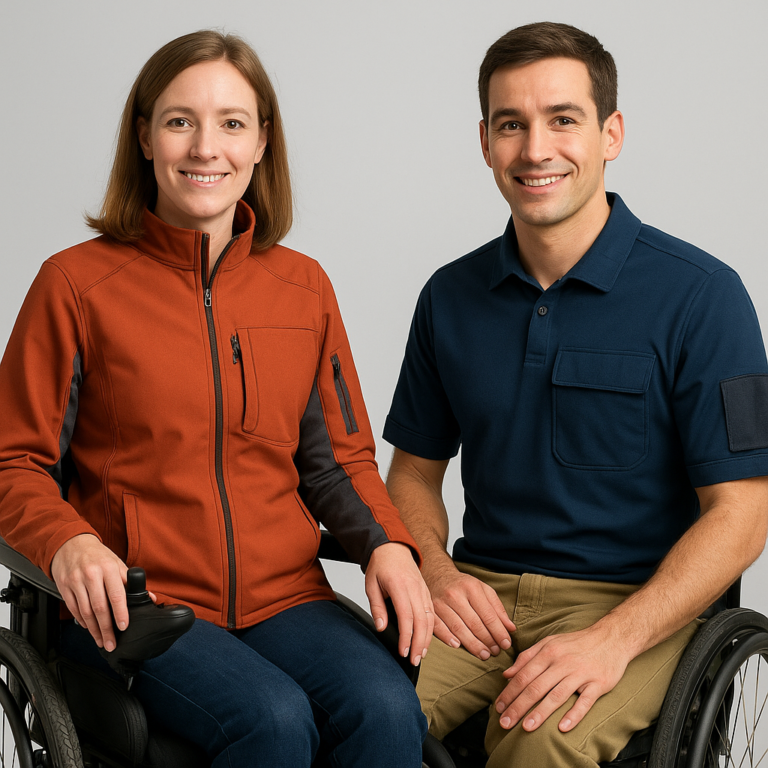
Look for sustained representation, not a one-off image. A genuinely broad approach may include different races, skin tones, ages, body shapes, gender expressions, and visible or non-visible disabilities.
Representation also needs context. Is the person shown as a model wearing a product, or only as a symbol in a campaign about “difference”? Are their needs reflected in design and fit? The featured webinar summary highlights the risk of disability representation remaining extremely limited, even while brands gain attention for individual casting moments. Treat specific percentages from campaign summaries as claims to verify against original research; a striking statistic deserves a traceable source, not just a shareable graphic.
The Runway of Dreams Foundation works to expand adaptive fashion and representation for people with disabilities. Its work is a useful reminder that inclusive imagery and accessible garment design are related—but not identical—goals.
Inclusive Design, Accessibility, and Adaptive Clothing
Inclusive fashion goes beyond model casting. Depending on the product, practical design can include:
- Easier closures, magnetic fastenings, or accessible openings
- Adjustable waistbands, straps, or hems
- Sensory-considerate seams, tags, and fabrics
- More useful product descriptions and fit information
- Accessible e-commerce navigation and customer support
Not every brand has to make every feature. But brands should be clear about who a product is designed for and what it does. For adaptive apparel resources, see Runway of Dreams and the U.S. Access Board’s accessibility guidance.
Ethical Marketing Versus Performative Body Positivity
A campaign can be well-intentioned and still fall short. Common warning signs include:
- Diverse models appear in one campaign but rarely in product listings.
- Extended sizes exist on paper but are routinely unavailable.
- The brand uses empowering language while relying on body-shaming before-and-after messaging.
- Customers report recurring fit or service problems that the brand does not address.
- A brand claims sustainability or inclusion without giving enough detail to assess the claim.
The strongest signal is consistency: representation in advertising, thoughtful product development, and transparent customer policies. For a broader look at how brands communicate their practices, explore Brand Manufacturing Practices.
👗 10 Clothing Brands Promoting Body Positivity and Inclusive Campaigns
These brands have been associated with body-diverse campaigns, size-inclusive design, gender-inclusive offerings, or community-focused work. Brand ranges and programs change, so use each official site to verify current sizing, stock, and policies before ordering.
1. Aerie: Unretouched Images and the #AerieREAL Campaign
Aerie’s AerieREAL messaging is strongly associated with unretouched campaign imagery and a broader conversation around self-acceptance. Its appeal is easy to understand: the pictures feel less airbrushed and more like people you might actually meet at brunch.
What we like
- A recognizable, sustained campaign identity.
- Products across intimates, swimwear, and casual apparel.
- Campaign messaging that challenges heavy image retouching.
What to check
- The current size range varies by product.
- Unretouched imagery alone does not establish that every garment is available or well fitted across sizes.
Stylist take: Aerie is a useful example of how a clear campaign can help shift expectations. Still, judge the specific item by its size chart, construction, and reviews—not by the campaign hashtag alone.
2. Summersalt: Swimwear Campaigns Featuring Diverse Bodies
Summersalt’s swimwear collection is known for colorful suits and campaign imagery that has featured a wider range of people than the traditional narrow swimwear template. The supplied competitor summary describes its 2021 “Every Body” campaign as including plus-size, disabled, postpartum, senior, LGBTQ+, and chronically ill participants.
What we like
- A visible effort to broaden who gets represented in swimwear.
- A product category where fit options and support details matter greatly.
- Campaign storytelling that can help shoppers feel less singled out by the swimsuit aisle.
What to check
- Coverage, compression, lining, and torso length differ between styles.
- Campaign casting does not guarantee every fit need is addressed in every suit.
Stylist take: If you’re shopping swimwear, decide first whether you want support, adjustable straps, fuller coverage, or a particular leg cut. Then choose the print. That order saves many dressing-room sighs.
3. TomboyX: Gender-Inclusive Underwear and Body Acceptance
TomboyX makes underwear and apparel with a gender-inclusive approach. Its background is closely tied to the founders’ search for clothing that felt more comfortable and affirming than conventional gendered options.
What we like
- Styles that aren’t organized solely around conventional masculine and feminine expectations.
- Underwear and apparel designed for different preferences in coverage and presentation.
- A brand voice that speaks directly to LGBTQ+ customers.
What to check
- Fit and compression are style-specific; use the garment chart.
- “Gender-inclusive” does not mean every cut will suit every body or preference.
Stylist take: We recommend starting with the desired feel—snug, relaxed, longer coverage, or a particular rise—rather than shopping by the label on the product category. Comfort is personal; your underwear doesn’t need a personality test.
4. Plus BKLYN: Plus-Size Fashion and Community-Led Representation
Plus BKLYN is a New York-based plus-size fashion retailer known for offering a more community-centered alternative to the “one sad rack in the corner” experience. Its mix of inventory can include a range of labels and styles, so the assortment may change.
What we like
- A clear focus on plus-size shoppers.
- A boutique setting that can offer a more personal shopping experience.
- A mix of fashion perspectives rather than one uniform aesthetic.
What to check
- Inventory and sizes can vary by item.
- Confirm current in-person and online shopping details directly with the retailer.
Stylist take: A specialist retailer can make discovery easier when mainstream stores treat extended sizes as an afterthought. For budget-conscious options across the wider market, see our Affordable Fashion Brands.
5. Girlfriend Collective: Inclusive Activewear and Size Representation
Girlfriend Collective offers activewear and has built its brand around inclusive imagery and material-conscious product messaging. The competitor summary lists a wide size range and representation of BIPOC, LGBTQ+, disabled, and chronically ill people, as well as models with body hair. Check the live product listings for current sizes and styles.
What we like
- Activewear imagery that challenges the idea that fitness has one body type.
- Product details that can help shoppers compare fabric and support.
- A range of everyday training and leisurewear options.
What to check
- Compression can feel very different from one leging or bra style to another.
- Recycled-material claims should be read alongside garment care and durability information.
Stylist take: For leggings, compare waistband height, compression, and inseam before choosing a color. A bold set is fun; a waistband that stays put is the plot twist we actually want.
6. Noworks: Playful Prints, Size Range, and Body Diversity
Noworks is known for vivid, artistic prints and expressive silhouettes. Its limited-edition approach and artist collaborations give the brand a distinct personality, while its product range has included extended sizing. Confirm current size availability style by style.
What we like
- Clothes that make personal style feel playful rather than rule-bound.
- Prints and cuts that can serve shoppers seeking a less conventional look.
- Collaborations that bring outside creative voices into the collection.
What to check
- Limited runs may not be restocked.
- A striking print can draw the eye, but fabric, cut, and garment measurements still determine fit.
Stylist take: If you’ve spent years being told to “dress to minimize,” Noworks offers a welcome alternative: dress to look like yourself. We’d still check the garment measurements before falling in love with the print.
7. Universal Standard: Size-Inclusive Clothing and Fit Innovation
Universal Standard is known for a broad size range and a focus on everyday essentials. Its sizing and specific fit programs can change, so check the current product and policy pages rather than relying on older campaign coverage.
What we like
- A substantial range of wardrobe staples.
- Clear emphasis on making extended sizing part of the core offer.
- A useful option for shoppers building a mix-and-match wardrobe.
What to check
- Fit can vary between structured and stretch styles.
- Confirm garment measurements and the current exchange or fit-related policy before purchase.
Stylist take: A broad size range is most useful when the brand also explains how each garment fits. For basics, we’d start with a familiar silhouette—a shirt, trouser, or dress you already love—and compare its measurements to the listing.
8. Parade: Inclusive Underwear Campaigns and Self-Expression
Parade has used bright colors and playful marketing to make underwear feel less clinical and more expressive. The supplied competitor summary describes its approach as treating inclusivity as an expectation rather than a special feature.
What we like
- A cheerful, youth-oriented visual style.
- Underwear presented as a choice about comfort and self-expression.
- Product options that can be compared by rise, coverage, and fabric.
What to check
- Current size availability and brand policies can change.
- For intimates, fabric stretch and waistband construction are just as important as the campaign message.
Stylist take: Underwear is close-to-skin clothing, so prioritize fabric feel and coverage. A fun color is a bonus; a comfortable seam is a daily victory.
9. Chromat: Runway Representation and Body-Positive Swimwear
Chromat brings a fashion-forward perspective to swimwear and design. The brand has been associated with runway and campaign representation that includes people often left out of conventional fashion imagery, including transgender models and models with prosthetics.
What we like
- A creative approach to design and casting.
- Swimwear that treats the body as something to dress and celebrate, not conceal.
- A more experimental fashion point of view.
What to check
- Editorial silhouettes may have a different feel from everyday basics.
- Review garment construction, support, and care details closely.
Stylist take: Chromat is for shoppers who enjoy fashion with a point of view. If you’re after an everyday suit, compare its coverage and support with more functional swimwear options before choosing.
10. Knix: Inclusive Intimates and Real-Body Campaigns
Knix focuses on intimates and functional apparel, including products connected to periods, leaks, and postpartum needs. The competitor summary describes its approach as making room for body neutrality as well as body positivity, and notes the brand’s “Life After Birth” community work.
What we like
- Functional product categories that address needs many shoppers prefer not to discuss in public.
- A more practical, comfort-centered approach to body confidence.
- Product descriptions that can help shoppers compare use cases.
What to check
- Match the product to your specific needs and care routine.
- Review current absorbency, fit, and return guidance; those details matter more than a campaign headline.
Stylist take: Sometimes body confidence starts with a garment doing its job quietly and well. For a wider comparison of brand claims and construction, browse Brand Quality Comparisons.
🧵 How to Compare Body-Positive Clothing Brands
The best brand for you is the one that meets your needs—not necessarily the one with the loudest campaign. Use this comparison process to narrow the field.
Size Charts, Measurements, and Fit Reviews
Step-by-step fit check
- Measure the body area relevant to the garment. For trousers, waist, hip, and inseam matter; for bras, use the brand’s fitting instructions.
- Compare with the exact product chart. A brand’s general chart may not explain a particular cut.
- Read fit notes. Look for terms like relaxed, compression, high-rise, long-torso, or fitted.
- Read reviews for details, not just stars. “Runs small through the bust” is more useful than “cute!”
- Check the return policy. Make sure you understand the return window and any hygiene-related restrictions for intimates.
Consumer reviews are personal accounts, not standardized fit testing. We use them as clues, then cross-check against garment measurements and product details.
Clothing Categories: Everyday Wear, Activewear, Swimwear, and Intimates
| Category | Fit details to prioritize | Questions to ask |
|---|---|---|
| Everyday clothing | Shoulder, sleeve, rise, length, fabric drape | Does the garment work with your preferred layers? |
| Activewear | Compression, waistband stability, inseam, stretch recovery | Is it designed for low-impact movement or higher support? |
| Swimwear | Bust support, torso length, coverage, adjustable features | Will it stay comfortable when wet and moving? |
| Intimates | Band or waistband feel, seams, rise, fabric, closure | Is it comfortable for a full day, not just a quick try-on? |
| Adaptive apparel | Fasteners, access points, sensory details, ease of dressing | Are the features designed for your specific needs? |
Materials, Durability, and Sustainability Claims
Comfort is immediate; durability reveals itself after repeated wear and washing. Check the fiber content, care instructions, seam construction, and the brand’s explanation of sustainability claims.
The Federal Trade Commission’s Green Guides offer guidance on environmental marketing claims. For brand-specific production research, our Brand Manufacturing Practices category can help you look beyond campaign language.
A practical rule: recycled materials may be a positive feature, but they don’t automatically tell you how long a garment lasts, how it feels, or whether it fits well.
Returns, Accessibility, and Shopping Experience
Before ordering, review:
- Return and exchange windows
- Hygiene restrictions for underwear or swimwear
- Shipping regions and delivery options
- Size-chart accessibility and garment measurements
- Customer service contact options
- Whether product imagery and descriptions answer your questions
If shopping online feels like solving a puzzle, that is useful information about the customer experience. Clear details are part of inclusive shopping—not a bonus feature.
📣 How to Tell If a Body-Positivity Campaign Is More Than a Photoshoot
A campaign’s casting is the visible part. The harder-to-see evidence lives in the pattern room, inventory system, product pages, and feedback process.
Questions to Ask About Brand Policies and Product Design
Use this checklist:
- Are the sizes shown in the campaign actually available to buy?
- Do product pages show the garment on more than one body?
- Does the brand explain how it develops fit across sizes?
- Are disabled, trans, older, and racially diverse people represented beyond a single campaign?
- Are accessibility and adaptive needs addressed in design?
- Can shoppers find clear policies and contact the brand about fit?
- Does the brand respond when customers identify a problem?
No single answer tells the whole story. But repeated gaps across product, marketing, and service are more meaningful than one polished slogan.
How Customers Can Give Useful Feedback
If a garment doesn’t work, specific feedback is more actionable than “bad fit.” Try describing:
- The item and size
- Where it feels tight, loose, short, or restrictive
- Whether the issue concerns length, rise, sleeve, bust, or fabric
- What change would make it more wearable
- Whether the product page gave enough information to choose a size
Brands that invite and respond to feedback can learn from customers’ lived experience. The webinar’s recommendations emphasize direct engagement with communities instead of designing around assumptions—a principle shoppers can encourage by making their needs clear.
💬 Common Criticisms of Body Positivity in Fashion
Body-positive campaigns can help make fashion feel more welcoming, but they can also invite fair criticism. We can appreciate improved representation and still ask whether the business has changed.
Token Representation and Limited Size Availability
One or two visibly diverse models do not represent every body. Similarly, a size range that stops short of many shoppers’ needs may not support the campaign’s promise.
The featured webinar describes a version of this problem as “curve washing”: representing a narrow subset of plus-size bodies while leaving others unseen. The useful response is not to dismiss every campaign, but to ask whether models, sizes, and fit are consistently represented across the collection.
Commercialization, Retouching, and Beauty Standards
Body positivity is also a marketing opportunity, which creates tension. A campaign may challenge one beauty ideal while selling products through another. Unretouched imagery can be meaningful, but it cannot solve every issue tied to body image or representation.
The American Psychological Association’s body-image resources offer a broader perspective on how social environments can shape body image. Consumers can appreciate empowering campaigns without expecting a clothing ad to do the work of health care, social support, or systemic change.
The Difference Between Inclusive Advertising and Inclusive Business Practices
| Advertising evidence | Business-practice evidence |
|---|---|
| Diverse casting in a campaign | Sizes consistently stocked across product categories |
| Empowering slogans | Fit tested on a range of bodies |
| A special collection or awareness post | Inclusive choices embedded in regular collections |
| Social-media visibility | Accessible product information and responsive service |
| A single collaboration | Ongoing community engagement and accountability |
Both matter, but they answer different questions. Advertising tells you what a brand wants you to notice. Product and policy details tell you how the brand operates.
🌍 The Future of Body-Inclusive Fashion Campaigns
The next step is less about making one more “everyone belongs” campaign and more about building systems that make belonging ordinary.
Beyond Plus-Size Marketing Toward Representation for Everyone
Body-inclusive fashion needs to account for more than a single size category. That means broader representation by body shape, race, age, gender, and disability—alongside garments made with those shoppers in mind.
The webinar summary argues for holistic sizing, including attention to length and proportion as well as width. That is a useful benchmark: representation should be reflected not only in who wears a garment but also in how it is designed.
How Social Media and Consumer Advocacy Shape Brand Accountability
Social media can help customers share fit experiences and call out inconsistency. It can also compress complex questions into a viral image or a single statistic. Treat viral claims as a starting point: look for the original campaign, product information, and independent context.
Customers can encourage better practice by:
- Reviewing garments with useful fit details
- Asking brands specific questions about sizing and accessibility
- Supporting retailers that make extended sizes easier to find
- Sharing feedback respectfully and directly
- Checking brand claims against reliable sources
The goal is not perfect campaign language. It’s fashion that offers more people the opportunity to find clothes that fit, feel good, and reflect their style.