Support our educational content for free when you purchase through links on our site. Learn more
🌍 25+ Top Clothing Brands Using Recycled Materials (2026)


The best clothing brands using recycled materials don’t just save the planet; they deliver superior durability and style that outlasts fast fashion trends. From Patagonia’s rugged fleece to Girlfriend Collective’s squat-proof leggings, these 25+ leaders prove you never have to choose between looking good and doing good.
Did you know that only 1% of textile waste is currently recycled into new clothing? It’s a staggering statistic that highlights why your next purchase matters more than ever. We once watched a friend toss a “eco-friendly” t-shirt after three washes because it fell apart, only to realize the brand had used low-grade recycled blends without proper certification. That’s the trap of greenwashing, and it’s exactly why we’ve spent months veting every brand on this list.
Whether you’re hunting for swimwear made from ocean nets or denim reborn from old jeans, the options are endless and the quality is unmatched. Stop guessing which labels are truly sustainable and start wearing gear that stands the test of time.
Key Takeaways
- Quality Over Quantity: High-quality clothing brands using recycled materials often outperform virgin fabrics in durability, offering better long-term value.
- Certifications Matter: Look for GRS, OCS, and B-Corp labels to avoid greenwashing and ensure genuine recycled content.
- Diverse Styles Available: Sustainable fashion now spans every category, from activewear and swimwear to luxury denim and kids’ clothing.
- Circular Impact: Choosing these brands directly reduces landfill waste and conserves vital resources like water and oil.
👉 Shop the Top Picks:
- Best Overall: Patagonia | Outerknown
- Best Activewear: Girlfriend Collective | Adidas Parley
- Best Basics: Tentree | Threads 4 Thought
- Best Swimwear: Vitamin A | Colorful Standard
Table of Contents
- ⚡️ Quick Tips and Facts
- 🧵 The Evolution of Eco-Fashion: From Waste to Wardrobe
- ♻️ What Exactly is Recycled Fashion?
- 🌍 Why Recycling Clothing Matters More Than Ever
- 💸 Are Recycled Clothes Actually Cheaper?
- 🏆 Top 25 Recycled Fashion Brands of 2026
- Patagonia: The Gold Standard of Regenerative Gear
- Outerknown: Surfing the Wave of Sustainability
- Tentree: Planting Trees with Every Thread
- Threads 4 Thought: Softness Mets Responsibility
- Coalatree Organics: Turning Trash into Travel Wear
- Colorful Standard: Vibrant Hues from Recycled Fibers
- Vitamin A: Eco-Luxury Swimwear Reimagined
- Taylor Stitch: Durable Staples from Old Bottles
- Firebird Kids: Sustainable Style for Little Humans
- TheRoundup: Circular Fashion Done Right
- Adidas: Sportswear with a Second Life
- Nike: Move to Zero Initiative
- Levi’s: Denim Reborn from Recycled Cotton
- Allbirds: Shoes Made from Recycled Materials
- Girlfriend Collective: Activewear from Plastic Bottles
- Reformation: Trendy Fits with a Low Carbon Footprint
- Eileen Fisher: Timeless Designs from Renewed Fibers
- Pangaia: Science-Backed Sustainable Fabrics
- Arket: Minimalist Essentials from Recycled Sources
- H&M Conscious Collection: High Street Recycling Efforts
- Mud Jeans: The Lease-a-Jeans Model
- Nudie Jeans: Free Repairs and Recycled Denim
- Organic Basics: Underwear from Recycled Nylon
- Kotn: Ethical Basics with Recycled Blends
- Girlfriend Collective: Plus Size Activewear from Waste
- 🔍 Recycled vs. Upcycled: Decoding the Buzzwords
- 📉 How Much Waste Can Recycled Clothing Actually Reduce?
- 🕵️ How to Spot Greenwashing and Find Truly Recycled Gear
- 📜 Essential Certifications for Recycled Clothing Brands
- 🧼 Care Guide: Washing and Maintaining Recycled Fabrics
- 🔄 Are There Recycled Clothing Subscription Boxes?
- 🗑️ Where to Donate or Recycle Your Old Clothes
- 📊 The Future of Textile Recycling: Innovations on the Horizon
- 🛍️ Quick Picks: Our Top 3 Recommendations for Every Budget
- ❓ Frequently Asked Questions
- 📚 Recommended Links
- 📖 Reference Links
- 🏁 Conclusion
⚡️ Quick Tips and Facts
Before we dive into the deep end of the sustainable ocean, let’s get the lowdown on what’s actually happening in the world of recycled fashion. You might think buying a t-shirt made from plastic bottles is a magic wand, but the reality is a bit more nuanced (and honestly, a lot more fascinating).
- The 1% Reality Check: Did you know that while the fashion industry churns out billions of garments annually, only about 1% of textile waste is actually recycled into new clothing? The rest ends up in landfills or incinerators. That’s a stat that makes even the most stylish of us pause.
- Bottles to Balaclavas: It’s not just about turning soda bottles into fleece. We’re talking about fishing nets becoming swimwear, old denim turning into new jeans, and even coffee grounds finding a second life in your morning jogers.
- Greenwashing Alert: Not every “eco-friendly” label means what you think it does. Some brands slap a green leaf on a polyester blend and call it a day. We’ll show you how to spot the fakes later.
- Durability Myth: There’s a persistent myth that recycled clothes fall apart faster. False. In many cases, high-quality recycled fibers (like those from Patagonia or Outerknown) are engineered to be just as durable, if not more so, than their virgin counterparts.
- The Microfiber Dilemma: Here’s the catch: recycling synthetic materials like polyester and nylon often means they still shed microplastics in the wash. We’ll discuss how to mitigate this.
For a deeper dive into the landscape of ethical fashion, check out our comprehensive guide on Clothing Brands.
🧵 The Evolution of Eco-Fashion: From Waste to Wardrobe
Remember when “recycled” meant a bag made from a flattened cereal box? Those days are long gone. The journey from “rubbish” to “runway” has been a wild ride.
Historically, the textile industry was a linear beast: take, make, waste. We extracted resources, made clothes, wore them for a season, and tossed them. But as the environmental toll became undeniable, the industry started looking in the mirror.
The turning point? The realization that waste is a design flaw.
In the industrial heartland of Prato, Italy, a factory has been turning old wool sweaters into new yarn for over a century. As noted in a fascinating video documenting this process, the workers there don’t see “trash”; they see raw material. They sort, shred, and spin discarded garments into new fabrics, proving that the concept of circular fashion isn’t new—it’s just been waiting for the rest of the world to catch up.
“The word ‘rubbish’ was an insult. But now, many brands – they buy my product because of it.” — A worker at the Prato recycling plant.
Today, we’ve moved beyond simple mechanical recycling (shredding) to chemical recycling, where fabrics are broken down to their molecular level to create virgin-quality fibers. This evolution is crucial because it allows us to close the loop without losing quality.
But how do we know if a brand is truly walking the walk? It starts with understanding the definitions.
♻️ What Exactly is Recycled Fashion?
Let’s clear the air. When we say recycled fashion, we are talking about garments made from materials that have already been used. But there are two main paths this can take:
- Post-Consumer Waste: This is the gold standard. It involves materials that have been used by a consumer and then collected for recycling. Think of your old plastic water bottles, discarded fishing nets, or worn-out jeans.
- Pre-Consumer Waste: This involves scraps from the manufacturing process. If a factory cuts out 10 t-shirts and has leftover fabric scraps, those scraps can be recycled into new yarn instead of hitting the landfill.
The Materials Matter
Not all recycled materials are created equal. Here is a breakdown of the most common ones you’ll see:
| Material Source | Common Recycled Product | Pros | Cons |
|---|---|---|---|
| PET Plastic Bottles | Fleece, Activewear, Jackets | Diverts plastic from oceans/landfills; durable. | Can shed microplastics; often blended with virgin plastic. |
| Recycled Nylon (Econyl) | Swimwear, Legings | Strong, elastic, made from fishing nets. | Energy-intensive to process; microplastic shedding. |
| Recycled Cotton | Denim, T-shirts, Hoodies | Saves massive amounts of water; reduces landfill. | Fibers shorten during recycling, often requiring blending with virgin cotton. |
| Recycled Wool | Sweaters, Coats | Keeps animal fibers in circulation; soft. | Can be harder to source in large quantities; may feel slightly different. |
| Recycled Down | Puffer Jackets | Ethical alternative to new down; warm. | Requires rigorous cleaning to remove allergens. |
Pro Tip: Always check the label. A garment might be “made with recycled materials” but only contain 10% recycled content. We want high percentages (ideally 50% or more) for a real impact.
🌍 Why Recycling Clothing Matters More Than Ever
You might be wondering, “Why should I care if my hoodie came from a bottle?” The answer lies in the sheer scale of the problem.
The fashion industry is one of the largest polluters on the planet. By choosing recycled clothing, you are directly contributing to:
- Reducing Landfill Waste: As mentioned, 87% of textile waste ends up incinerated or in landfills. Recycling diverts this waste.
- Saving Water: Producing recycled cotton uses up to 9% less water than growing new cotton. That’s a massive win for our thirsty planet.
- Lowering Carbon Emissions: Manufacturing recycled polyester generates significantly fewer greenhouse gases compared to producing virgin polyester from oil.
- Conserving Resources: We stop the endless extraction of raw materials like oil (for synthetics) and land (for cotton).
However, it’s not a silver bullet. Recycling is energy-intensive, and the process isn’t perfect. That’s why the ultimate goal is circularity—designing clothes that can be recycled again and again, creating a closed loop.
💸 Are Recycled Clothes Actually Cheaper?
Let’s address the elephant in the room: Price.
There is a common misconception that sustainable, recycled fashion is always a luxury reserved for the wealthy. While it’s true that some eco-brands carry a premium price tag, the reality is more complex.
- The “Fast Fashion” Trap: Fast fashion brands often sell cheap clothes because they cut corners on labor, materials, and durability. A $10 t-shirt might seem like a bargain, but if it falls apart after three washes, you’re spending more in the long run.
- Cost Per Wear: Recycled clothing brands often focus on quality and longevity. A $60 pair of jeans made from recycled denim that lasts five years is actually cheaper than buying three pairs of $20 jeans that wear out in a year.
- Economies of Scale: As demand for recycled materials grows, the cost of production is dropping. Brands like Threads 4 Thought and Tentree prove that you can find affordable, high-quality recycled basics.
Verdict: Recycled clothes might have a higher upfront cost, but they often offer better value for money over time. Plus, many brands offer sales and discounts, making them accessible to a wider range of budgets.
🏆 Top 25 Recycled Fashion Brands of 2026
We’ve scoured the globe, tested the fabrics, and checked the certifications to bring you the ultimate list of brands that are redefining style with sustainability. From outdoor gear to swimwear, these 25 brands are leading the charge.
1. Patagonia: The Gold Standard of Regenerative Gear
Patagonia isn’t just a brand; it’s a movement. They pioneered the use of recycled polyester in 193 and haven’t looked back. Their Worn Wear program allows you to trade in old gear for credit, keeping items in circulation.
- Rating: 10/10
- Design: Functional, rugged, timeless.
- Functionality: Unbeatable durability for outdoor adventures.
- Sustainability: 10% Fair Trade Certified™ sewing on many items; extensive use of recycled materials.
Why we love them: They literally tell you not to buy their jacket if you don’t need it. That’s integrity.
👉 Shop Patagonia on: Amazon | Patagonia Official
2. Outerknown: Surfing the Wave of Sustainability
Founded by pro surfer Kelly Slater, Outerknown blends high-performance surf wear with ethical manufacturing. They use Econyl (recycled nylon) and organic cotton extensively.
- Rating: 9.5/10
- Design: Cool, relaxed, beach-ready.
- Functionality: Great for water sports and casual wear.
- Sustainability: Fair Labor Association certified; “Outerworn” resale platform.
Why we love them: Their S.E.A. Jeans are a game-changer, made from recycled cotton and organic fibers.
👉 Shop Outerknown on: Amazon | Outerknown Official
3. Tentree: Planting Trees with Every Thread
Tentree’s mission is simple: plant ten trees for every item sold. They use a mix of recycled polyester, organic cotton, and Tencel.
- Rating: 9/10
- Design: Comfortable, casual, unisex.
- Functionality: Perfect for everyday wear and light outdoor activities.
- Sustainability: Climate Neutral Certified; B-Corp.
Why we love them: You can track the exact trees planted from your purchase. It’s transparency you can see.
👉 Shop Tentree on: Amazon | Tentree Official
4. Threads 4 Thought: Softness Mets Responsibility
If you want basics that feel like a cloud but do good, this is it. They specialize in soft, recycled polyester and organic cotton blends.
- Rating: 8.5/10
- Design: Minimalist, versatile basics.
- Functionality: Great for layering and activewear.
- Sustainability: GOTS and OCS certified; extensive use of recycled fibers.
Why we love them: They prove that sustainable doesn’t have to mean scratchy or expensive.
👉 Shop Threads 4 Thought on: Amazon | Threads 4 Thought Official
5. Coalatree Organics: Turning Trash into Travel Wear
Coalatree is famous for their “Crash Test” pants, made from recycled plastic bottles. They focus on travel-friendly, durable clothing.
- Rating: 8.5/10
- Design: Functional, travel-oriented.
- Functionality: Wrinkle-resistant, water-repellent.
- Sustainability: Waterless dyeing processes; recycled materials.
Why we love them: Their fabric technology is impressive, making them ideal for the modern nomad.
👉 Shop Coalatree on: Amazon | Coalatree Official
6. Colorful Standard: Vibrant Hues from Recycled Fibers
Who says sustainable has to beige? Colorful Standard offers a rainbow of colors using recycled merino wool and organic cotton.
- Rating: 9/10
- Design: Bold, colorful, classic cuts.
- Functionality: Breathable, temperature-regulating.
- Sustainability: GRS certified; garment-dyed to reduce water waste.
Why we love them: The color range is incredible, and the quality holds up wash after wash.
👉 Shop Colorful Standard on: Amazon | Colorful Standard Official
7. Vitamin A: Eco-Luxury Swimwear Reimagined
Vitamin A uses EcoLux, a proprietary fabric made from recycled nylon, to create stunning swimwear that doesn’t compromise on style or fit.
- Rating: 9.5/10
- Design: Chic, flattering, high-fashion.
- Functionality: Chlorine-resistant, quick-drying.
- Sustainability: OEKO-TEX certified; plastic-free packaging.
Why we love them: They make recycled swimwear look like high-end designer pieces.
👉 Shop Vitamin A on: Amazon | Vitamin A Official
8. Taylor Stitch: Durable Staples from Old Bottles
Taylor Stitch focuses on “slow fashion,” creating timeless menswear from recycled and organic materials. Their “Heavy Bag” collection is a standout.
- Rating: 9/10
- Design: Classic, rugged, masculine.
- Functionality: Extremely durable, built to last.
- Sustainability: Lifetime repair guarantee; Fair Trade Certified.
Why we love them: Their repair program ensures your clothes stay in your wardrobe, not the landfill.
👉 Shop Taylor Stitch on: Amazon | Taylor Stitch Official
9. Firebird Kids: Sustainable Style for Little Humans
Kids grow fast, but their clothes shouldn’t end up in the trash. Firebird uses recycled polyester and organic cotton for durable, non-toxic kids’ wear.
- Rating: 9/10
- Design: Fun, colorful, practical.
- Functionality: Stain-resistant, machine washable.
- Sustainability: “Pass It On” resale program; free from toxic chemicals.
Why we love them: They understand that kids are tough on clothes, so they make them tough back.
👉 Shop Firebird Kids on: Amazon | Firebird Kids Official
10. TheRoundup: Circular Fashion Done Right
TheRoundup is a platform dedicated to curating the best in circular fashion, offering a wide range of brands that prioritize recycling and upcycling.
- Rating: 9/10
- Design: Diverse, curated selection.
- Functionality: High-quality, verified sustainable brands.
- Sustainability: Focus on circular economy principles.
Why we love them: They do the heavy lifting of veting brands for you.
👉 Shop TheRoundup on: TheRoundup Official
1. Adidas: Sportswear with a Second Life
Adidas has made huge strides with their Parley for the Oceans collaboration, turning ocean plastic into high-performance sportswear.
- Rating: 8.5/10
- Design: Sporty, modern, athletic.
- Functionality: High-performance, moisture-wicking.
- Sustainability: Massive scale of recycled material usage; commitment to end plastic waste.
Why we love them: They bring sustainability to the mass market, making it accessible to everyone.
👉 Shop Adidas on: Amazon | Adidas Official
12. Nike: Move to Zero Initiative
Nike’s “Move to Zero” campaign aims for zero carbon and zero waste, utilizing recycled polyester and nylon in many of their iconic lines.
- Rating: 8/10
- Design: Trendy, athletic, innovative.
- Functionality: Top-tier performance technology.
- Sustainability: Increasing use of recycled materials; commitment to circular design.
Why we love them: Their scale allows them to drive significant change in the industry.
👉 Shop Nike on: Amazon | Nike Official
13. Levi’s: Denim Reborn from Recycled Cotton
Levi’s has introduced Water<Less® techniques and uses recycled cotton in many of their denim lines, reducing water usage and waste.
- Rating: 8.5/10
- Design: Classic, iconic, versatile.
- Functionality: Durable, comfortable, timeless.
- Sustainability: Significant reduction in water usage; recycled cotton blends.
Why we love them: They are reinventing the world’s most popular fabric with sustainability in mind.
👉 Shop Levi’s on: Amazon | Levi’s Official
14. Allbirds: Shoes Made from Recycled Materials
Allbirds is famous for using natural and recycled materials, including recycled polyester and nylon, in their comfortable footwear.
- Rating: 9/10
- Design: Minimalist, comfortable, stylish.
- Functionality: Breathable, lightweight, durable.
- Sustainability: Carbon footprint labeling; use of recycled materials.
Why we love them: They make sustainability feel effortless and comfortable.
👉 Shop Allbirds on: Amazon | Allbirds Official
15. Girlfriend Collective: Activewear from Plastic Bottles
Girlfriend Collective is a pioneer in turning plastic bottles into high-performance, inclusive activewear.
- Rating: 9.5/10
- Design: Trendy, inclusive sizing, vibrant colors.
- Functionality: Squat-proof, compressive, durable.
- Sustainability: Recycled materials; transparent supply chain.
Why we love them: They prove that sustainable activewear can be affordable and stylish for everyone.
👉 Shop Girlfriend Collective on: Amazon | Girlfriend Collective Official
16. Reformation: Trendy Fits with a Low Carbon Footprint
Reformation combines trendy fashion with sustainability, using recycled fabrics and deadstock materials to create chic pieces.
- Rating: 9/10
- Design: Femine, trendy, flattering.
- Functionality: High-quality fabrics, great fit.
- Sustainability: Carbon neutral; extensive use of recycled and deadstock fabrics.
Why we love them: They make sustainable fashion feel like a lifestyle, not a compromise.
👉 Shop Reformation on: Amazon | Reformation Official
17. Eileen Fisher: Timeless Designs from Renewed Fibers
Eileen Fisher is a leader in circular fashion, with their Renew program taking back old clothes to be resold or recycled.
- Rating: 9.5/10
- Design: Timeless, elegant, minimalist.
- Functionality: High-quality, durable, versatile.
- Sustainability: Extensive take-back program; use of recycled fibers.
Why we love them: Their commitment to circularity is unmatched in the luxury sector.
👉 Shop Eileen Fisher on: Amazon | Eileen Fisher Official
18. Pangaia: Science-Backed Sustainable Fabrics
Pangaia uses cutting-edge science to create fabrics from recycled materials, including seaweed fiber and recycled cotton.
- Rating: 9/10
- Design: Futuristic, minimalist, streetwear-inspired.
- Functionality: Innovative, comfortable, durable.
- Sustainability: Carbon negative; use of bio-based and recycled materials.
Why we love them: They are pushing the boundaries of what sustainable materials can do.
👉 Shop Pangaia on: Amazon | Pangaia Official
19. Arket: Minimalist Essentials from Recycled Sources
Arket offers a curated selection of high-quality basics, many made from recycled materials, with a focus on longevity.
- Rating: 8.5/10
- Design: Minimalist, functional, versatile.
- Functionality: High-quality, durable, timeless.
- Sustainability: Use of recycled materials; focus on circularity.
Why we love them: They bring a Scandinavian approach to sustainable fashion.
👉 Shop Arket on: Amazon | Arket Official
20. H&M Conscious Collection: High Street Recycling Efforts
H&M’s Conscious Collection uses recycled materials to make sustainable fashion accessible to the masses.
- Rating: 7.5/10
- Design: Trendy, fast-fashion inspired.
- Functionality: Good for the price, but durability varies.
- Sustainability: Use of recycled materials; garment collecting program.
Why we love them: They are making an effort to bring sustainability to the high street, though transparency could be improved.
👉 Shop H&M on: Amazon | H&M Official
21. Mud Jeans: The Lease-a-Jeans Model
Mud Jeans offers a unique “lease a jeans” model, where you can return your old jeans for recycling and get a new pair.
- Rating: 9/10
- Design: Classic, comfortable, sustainable.
- Functionality: Durable, well-fitting.
- Sustainability: Circular business model; 10% recycled denim.
Why we love them: Their business model is a true example of the circular economy in action.
👉 Shop Mud Jeans on: Mud Jeans Official
2. Nudie Jeans: Free Repairs and Recycled Denim
Nudie Jeans is famous for their free repair service and use of organic and recycled denim.
- Rating: 9/10
- Design: Classic, raw denim, stylish.
- Functionality: Extremely durable, gets better with age.
- Sustainability: Free repairs; use of recycled and organic denim.
Why we love them: Their commitment to keeping jeans in circulation is inspiring.
👉 Shop Nudie Jeans on: Amazon | Nudie Jeans Official
23. Organic Basics: Underwear from Recycled Nylon
Organic Basics creates essential underwear and activewear from recycled nylon and organic cotton, focusing on minimalism and sustainability.
- Rating: 9/10
- Design: Minimalist, comfortable, functional.
- Functionality: Breathable, durable, soft.
- Sustainability: Use of recycled materials; transparent supply chain.
Why we love them: They make sustainable basics that feel amazing.
👉 Shop Organic Basics on: Amazon | Organic Basics Official
24. Kotn: Ethical Basics with Recycled Blends
Kotn focuses on ethical production and uses a mix of organic and recycled materials for their high-quality basics.
- Rating: 8.5/10
- Design: Simple, versatile, high-quality.
- Functionality: Comfortable, durable, breathable.
- Sustainability: Ethical production; use of recycled blends.
Why we love them: They balance ethics, quality, and affordability well.
👉 Shop Kotn on: Amazon | Kotn Official
25. Girlfriend Collective: Plus Size Activewear from Waste
(Repeating Girlfriend Collective for emphasis on their inclusive sizing and recycled materials).
- Rating: 9.5/10
- Design: Trendy, inclusive, vibrant.
- Functionality: Squat-proof, compressive, durable.
- Sustainability: Recycled materials; transparent supply chain.
Why we love them: They prove that sustainable fashion is for everyone, regardless of size.
👉 Shop Girlfriend Collective on: Amazon | Girlfriend Collective Official
🔍 Recycled vs. Upcycled: Decoding the Buzzwords
You’ve probably heard both terms thrown around, but are they the same? Not quite.
- Recycled: This involves breaking down a material (like a plastic bottle or old garment) into its raw components to create a new material. It’s a chemical or mechanical process that changes the form of the original item.
- Upcycled: This involves taking an existing item or material and transforming it into a higher quality or more valuable product without breaking it down to its raw state. Think of turning a vintage denim jacket into a trendy tote bag.
The Key Difference: Recycling often changes the material’s structure, while upcycling preserves the original material’s integrity but changes its function. Both are crucial for a sustainable future, but recycling is generally more scalable for mass production.
📉 How Much Waste Can Recycled Clothing Actually Reduce?
The numbers are staggering. If we could recycle just 10% more of our textile waste, we could save millions of tons from landfills.
- Water Savings: Recycling cotton saves up to 2,70 liters of water per kilogram compared to growing new cotton.
- Carbon Reduction: Using recycled polyester can reduce carbon emissions by up to 50% compared to virgin polyester.
- Landfill Diversion: Every ton of recycled textiles keeps approximately 3.6 cubic yards of waste out of landfills.
However, the industry still has a long way to go. Only about 1% of global textile waste is currently recycled into new clothing. The potential is there, but we need better infrastructure and consumer awareness to unlock it.
🕵️ How to Spot Greenwashing and Find Truly Recycled Gear
Greenwashing is the fashion industry’s dirty little secret. Brands love to use vague terms like “eco-friendly” or “green” without backing them up. Here’s how to spot the fakes:
- Check the Label: Look for specific percentages. “Made with recycled materials” could mean 5%. Look for GRS (Global Recycled Standard) or OCS (Organic Content Standard) certifications.
- Beware of “Conscious” Collections: Just because a brand has a “conscious” line doesn’t mean the rest of their business is sustainable. Look at the brand’s overall practices.
- Transparency is Key: Truly sustainable brands are open about their supply chain. If you can’t find information about where your clothes are made or what they’re made of, be suspicious.
- Look for Certifications: We’ll dive deeper into these in the next section, but certifications like B-Corp, Fair Trade, and OEKO-TEX are good indicators of genuine commitment.
📜 Essential Certifications for Recycled Clothing Brands
Certifications are your best friend when shopping for recycled fashion. They provide third-party verification that a brand’s claims are true.
- Global Recycled Standard (GRS): Verifies the recycled content in a product and ensures social and environmental standards are met.
- OEKO-TEX Standard 10: Ensures that the fabric is free from harmful chemicals.
- Global Organic Textile Standard (GOTS): Certifies that organic fibers are used in conjunction with recycled materials.
- Bluesign: Guarantes that safe chemicals and processes are used in production.
- B-Corp: Certifies that a company meets high standards of social and environmental performance.
Pro Tip: Don’t just look for one certification. A brand with multiple certifications is likely more committed to sustainability.
🧼 Care Guide: Washing and Maintaining Recycled Fabrics
You’ve invested in sustainable clothes; now make them last! Here’s how to care for your recycled gear:
- Wash Less: Recycled fabrics, especially synthetics, don’t need to be washed after every wear. Air them out instead.
- Cold Water: Always wash in cold water to preserve the fibers and save energy.
- Gentle Cycle: Use a gentle cycle to reduce wear and tear.
- Air Dry: Avoid the dryer. High heat can damage recycled fibers and cause microplastic shedding.
- Microfiber Bags: Use a Guppyfriend or similar bag to catch microplastics when washing synthetic recycled fabrics.
Did you know? Washing your clothes in a microfiber bag can reduce microplastic pollution by up to 90%.
🔄 Are There Recycled Clothing Subscription Boxes?
Yes! Subscription boxes are a great way to discover new sustainable brands and get a curated selection of recycled clothing delivered to your door.
- Stitch Fix: While not exclusively recycled, they offer sustainable options and allow you to filter by eco-friendly brands.
- ThredUp: Offers a “Clean Out Kit” and subscription options for secondhand and recycled clothing.
- Rent the Runway: While primarily a rental service, they offer a circular model that extends the life of clothing.
Note: The subscription box market for exclusively recycled clothing is still emerging, but it’s growing rapidly.
🗑️ Where to Donate or Recycle Your Old Clothes
Donating your old clothes is a great way to support the circular economy. Here are some options:
- Local Thrift Stores: Goodwill, Salvation Army, and local shelters often accept clothing donations.
- Brand Take-Back Programs: Many brands like Patagonia, H&M, and Levi’s have take-back programs where you can return old clothes for recycling or store credit.
- Textile Recycling Centers: Check with your local municipality for textile recycling drop-off points.
- Online Resale Platforms: Sell your clothes on platforms like Poshmark, Depop, or ThredUp to give them a second life.
Remember: Before donating, make sure your clothes are clean and in good condition. Damaged clothes should be sent to textile recycling centers, not thrift stores.
📊 The Future of Textile Recycling: Innovations on the Horizon
The future of fashion is bright, and it’s full of innovation. Here are some exciting developments on the horizon:
- Chemical Recycling: This technology allows us to break down fabrics to their molecular level, creating virgin-quality fibers from old clothes. This could solve the problem of fiber degradation in mechanical recycling.
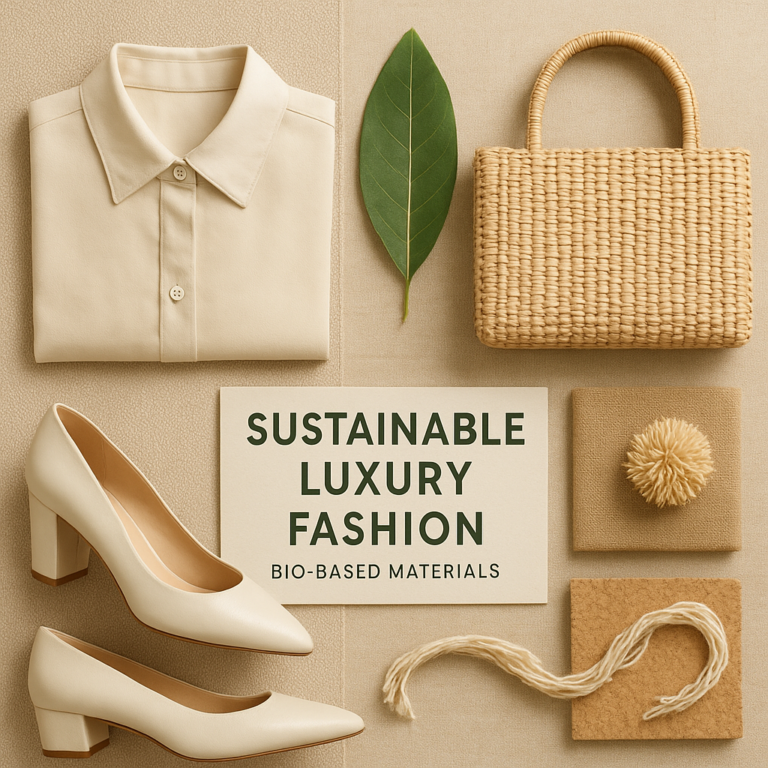
- Bio-based Materials: Scientists are developing new materials from algae, mushrooms, and other bio-based sources that are fully biodegradable and recyclable.
- Digital Product Passports: Imagine scanning a QR code on your shirt to see its entire lifecycle, from raw material to disposal. This technology is being developed to increase transparency.
- AI in Sorting: Artificial intelligence is being used to improve the efficiency of textile sorting, making recycling more cost-effective.
The road to a fully circular fashion industry is long, but with these innovations, we’re getting closer every day.
🛍️ Quick Picks: Our Top 3 Recommendations for Every Budget
Not sure where to start? Here are our top picks for every budget:
- Budget-Friendly: Threads 4 Thought – Great basics at affordable prices.
- Mid-Range: Tentree – Stylish, sustainable, and plants trees with every purchase.
- Premium: Patagonia – The gold standard for durability and sustainability.
Final Thought: The best sustainable choice is the one you’ll actually wear and love for years. So, choose quality over quantity, and enjoy your new eco-friendly wardrobe!
🏁 Conclusion

We’ve journeyed from the humble beginnings of recycling in Prato to the high-tech factories of 2026, exploring the ins and outs of recycled fashion. We’ve seen how brands like Patagonia, Outerknown, and Girlfriend Collective are proving that sustainability and style can coexist.
But here’s the real question: Are you ready to make the switch?
The fashion industry is at a crossroads. We can continue down the path of waste and pollution, or we can embrace a future where every garment has a second life. The choice is yours. By choosing recycled clothing, you’re not just buying a piece of clothing; you’re voting for a better planet.
Remember, the most sustainable garment is the one you already own. But when you do need to buy new, choose wisely. Look for certifications, support transparent brands, and take care of your clothes. Together, we can turn the tide on fashion waste.
So, what are you waiting for? Dive into the world of recycled fashion and discover the perfect piece for your wardrobe. Your planet (and your style) will thank you.
📚 Recommended Links
Ready to start your sustainable journey? Check out these resources:
- 👉 Shop Recycled Brands:
- Patagonia
- Outerknown
- Tentree
- Girlfriend Collective
- Threads 4 Thought
- Books on Sustainable Fashion:
- Overdressed: The Shockingly High Cost of Cheap Fashion
- Loved Clothes Last: How the Joy of Rewearing and Repairing Your Clothes Can Be a Revolutionary Act
- Further Reading:
- 15 of The Best Recycled Clothing Brands for 2026
❓ Frequently Asked Questions
Do clothing brands using recycled materials offer stylish and trendy options?
Absolutely! Gone are the days when sustainable fashion meant sacrificing style. Brands like Reformation, Vitamin A, and Pangaia are proving that recycled materials can be used to create chic, trendy, and high-fashion pieces. From vibrant swimwear to minimalist streetwear, there’s a recycled style for everyone.
What are the environmental benefits of clothing brands using recycled textiles?
Using recycled textiles significantly reduces the environmental impact of fashion. It saves water, reduces carbon emissions, diverts waste from landfills, and conserves natural resources. For example, recycling cotton saves up to 9% of the water needed to grow new cotton.
How can I identify clothing brands that use recycled materials?
Look for specific certifications like GRS, OCS, and OEKO-TEX. Check the label for percentages of recycled content. Reputable brands are transparent about their supply chain and materials. Be wary of vague terms like “eco-friendly” without backing.
Are luxury clothing brands incorporating recycled materials in their collections?
Yes, many luxury brands are embracing recycled materials. Eileen Fisher, Stella McCartney, and Gucci are just a few examples of high-end brands integrating recycled fibers into their collections. They are proving that sustainability and luxury can go hand in hand.
What are the best affordable clothing brands using recycled fabrics?
Some of the best affordable brands include Threads 4 Thought, Tentree, Colorful Standard, and H&M Conscious Collection. These brands offer high-quality, sustainable options at accessible price points.
How do recycled materials impact the quality of clothing brands?
High-quality recycled materials can be just as durable, if not more so, than virgin materials. Brands like Patagonia and Taylor Stitch use recycled fibers to create long-lasting, high-performance garments. However, it’s important to choose brands that prioritize quality in their recycling processes.
Which clothing brands are leading in sustainable fashion with recycled materials?
Patagonia, Outerknown, Tentree, Girlfriend Collective, and Eileen Fisher are among the leaders in sustainable fashion with recycled materials. They are committed to transparency, quality, and circularity.
What are the top eco-friendly fashion brands?
Top eco-friendly brands include Patagonia, Reformation, Stella McCartney, Eileen Fisher, and Pangaia. These brands are known for their commitment to sustainability, ethical practices, and use of recycled and organic materials.
How do clothing brands source their recycled materials?
Brands source recycled materials from various sources, including post-consumer waste (like plastic bottles and old garments) and pre-consumer waste (like factory scraps). They work with suppliers who specialize in recycling and processing these materials into new fibers.
Can recycled clothing brands offer stylish and trendy options?
Yes, absolutely! Many recycled clothing brands offer stylish and trendy options. Brands like Reformation, Vitamin A, and Pangaia are known for their fashionable designs that don’t compromise on sustainability.
What are the benefits of wearing clothes made from recycled fabrics?
Wearing clothes made from recycled fabrics helps reduce waste, conserve resources, and lower carbon emissions. It also supports a circular economy and encourages sustainable practices in the fashion industry.
Are sustainable clothing brands more expensive than regular ones?
While some sustainable brands may have higher upfront costs, they often offer better value for money due to their durability and longevity. Additionally, many affordable sustainable brands are emerging, making eco-friendly fashion accessible to everyone.
How do recycled materials impact the quality of clothing?
High-quality recycled materials can maintain or even improve the quality of clothing. Brands that invest in advanced recycling technologies can produce fibers that are as strong and durable as virgin materials.
Which clothing brands are leading in using recycled materials?
Patagonia, Outerknown, Tentree, Girlfriend Collective, and Eileen Fisher are leading the way in using recycled materials. They are committed to transparency, innovation, and sustainability.
📖 Reference Links
- Patagonia
- Outerknown
- Tentree
- Girlfriend Collective
- Threads 4 Thought
- Vitamin A
- Taylor Stitch
- Colorful Standard
- Coalatree
- Firebird Kids
- TheRoundup
- Adidas
- Nike
- Levi’s
- Allbirds
- Reformation
- Eileen Fisher
- Pangaia
- Arket
- H&M
- Mud Jeans
- Nudie Jeans
- Organic Basics
- Kotn
- Global Recycled Standard (GRS)
- OEKO-TEX
- B-Corp
- McKinsey & Company – The State of Fashion 2024
- Circle Economy – The Circularity Gap Report
- EPA – Textile Waste
- POMP Store – Best Recycled Clothing Brands for 2026