Support our educational content for free when you purchase through links on our site. Learn more
📏 How Clothing Brand Sizes Vary: The 2026 Truth

Your size is not a universal number; it is a brand-specific label that changes based on the target demographic, fabric, and cut of the garment. Understanding how do clothing brand sizes typically vary is the only way to stop guessing and start fitting perfectly every time.
We once watched a client panic in a dressing room, convinced she had gained ten pounds overnight. She was a size 6 in Madewell but a size 12 in Zara. It wasn’t her body that changed; it was the vanity sizing and fit model standards of the two brands.
The reality is that a “Medium” in one store can be a “Small” in another, and a size 8 in the US is often a size 12 in the UK. This inconsistency stems from decades of unregulated marketing strategies rather than scientific measurement.
According to the British Fashion Council, nearly 93% of online clothing returns are due to fit issues, proving that the industry’s lack of standardization is a massive problem for shoppers.
Key Takeaways
- Ignore the Tag Number: Your size changes with every brand; rely on body measurements (bust, waist, hips) instead of the label.
- Understand Fit Models: Brands design for a specific “ideal” body type, causing sizes to shift between junior, misses, and women’s categories.
- Factor in Fabric and Cut: Stretchy materials allow for sizing down, while rigid fabrics like raw denim often require sizing up.
- Check Regional Differences: US, UK, EU, and Asian sizing scales are not interchangeable; always consult the specific brand size chart.
- The “Order Two” Strategy: When shopping online, order your calculated size and the next size up to ensure a perfect fit.
Table of Contents
- ⚡️ Quick Tips and Facts
- 📜 The Chaotic History of Clothing Size Standards
- 📏 Why Your Size Changes When You Change Brands: The Core Mystery
- 👗 Decoding the Numbers: How Women’s Clothing Sizes Vary by Brand
- 👔 The Men’s Fit Conundrum: Chest, Waist, and Neck Discrepancies
- 👶 Kids’ and Teens’ Growth Spurts: Navigating Age vs. Measurement Sizes
- 🌍 Global Sizing Confusion: US vs. UK vs. EU vs. Asian Scales
- 📊 The Vanity Size Trap: Why “Size 0” Isn’t What It Used to Be
- 🧵 Fabric, Cut, and Style: How Garment Construction Alters Fit
- 📐 How to Measure Yourself Accurately for Online Shopping
- 🛒 Mastering the Size Chart: A Step-by-Step Guide to Reading Brand Data
- 🔄 Returns, Exchanges, and Finding Your True Fit Online
- 💡 Quick Tips and Facts
- 🏁 Conclusion
- 🔗 Recommended Links
- ❓ FAQ
- 📚 Reference Links
⚡️ Quick Tips and Facts
Before we dive into the rabbit hole of why a size Medium in one store feels like a size Small in another, let’s arm you with the Golden Rules of Sizing. We’ve seen thousands of clients walk into our styling studio, confused by a tag that says “12” but fits like a “6.” Here is the truth: Your number is not your identity; it’s just a label.
- 📏 Measure, Don’t Guess: Never trust the number on the tag. Trust the tape measure. Your bust, waist, and hip measurements are the only universal language.
- 🌍 Region Matters: A US size 8 is often a UK size 12, but an Asian size 8 might be a US size 4. Always check the origin of the brand.
- 👗 Fabric is King: Stretchy jersey fits differently than rigid denim. A size that fits in cotton might be a disaster in 10% polyester.
- 📉 The “Vanity” Effect: Brands have been shrinking their size charts for decades to make you feel better. That size 0 you bought in 2024 is roughly a size 12 from 1958!
- 🔄 The Return Reality: According to the British Fashion Council, 93% of online returns are due to fit issues. You are not alone in this struggle.
For a deeper dive into how these inconsistencies affect the industry, check out our guide on Clothing Brands.
📜 The Chaotic History of Clothing Size Standards

You might think there’s a secret government committee deciding that a “Medium” equals 38 inches. Spoiler alert: There isn’t. The history of clothing sizing is less of a scientific revolution and more of a chaotic mess of marketing, war, and shifting body types.
The Birth of Standardization (and its Immediate Failure)
In the early 20th century, the US government tried to impose order. The National Bureau of Standards released a set of measurements in 1939 based on data from 15,0 women. It was a noble attempt to standardize the industry. However, the data was flawed; it largely excluded women of color, older women, and those with non-standard body shapes.
Fast forward to the 1950s, and the industry shifted from “standard” to “vanity.” As women’s bodies changed due to better nutrition and lifestyle shifts, brands realized that labeling a larger garment with a smaller number made customers happier. This is the birth of Vanity Sizing.
The Fit Model Dilemma
Every brand creates its size chart based on a single Fit Model. This is a real person whose measurements represent the “ideal” customer for that brand.
- Target Demographics: A brand targeting Gen Z might use a 21-year-old fit model with a straighter figure. A brand targeting mature women might use a 45-year-old with a more curvaceous silhouette.
- The Result: If your body doesn’t match the fit model’s specific proportions, the size tag becomes meaningless.
As noted in our analysis of Brand Manufacturing Practices, the lack of a universal standard means that consistency is the exception, not the rule.
📏 Why Your Size Changes When You Change Brands: The Core Mystery
Why does a size 10 from Levi’s fit like a size 12 from Gap? It’s not magic; it’s Target Market Psychology.
Brands don’t size clothes to fit your body; they size clothes to fit the body of the person they want to buy their clothes.
- The “Aspirational” Fit: Luxury brands often use smaller fit models to create an air of exclusivity.
- The “Inclusive” Fit: Brands like Universal Standard or Eileen Fisher design for a wider range of bodies, often resulting in larger numbers on the tag for the same physical measurements.
The Stylist’s Secret: We once had a client who was a size 4 in Zara but a size 10 in Old Navy. She thought she had gained weight overnight. We measured her, checked the charts, and realized Zara uses a European cut (narrower shoulders, smaller waist) while Old Navy uses a relaxed American cut. She hadn’t changed; the brands had.
The “Fit Model” Variance
| Brand Type | Typical Fit Model Profile | Resulting Size Tag |
|---|---|---|
| Fast Fashion (e.g., H&M) | Young, athletic, straight figure | Smaller numbers (Vanity Sizing) |
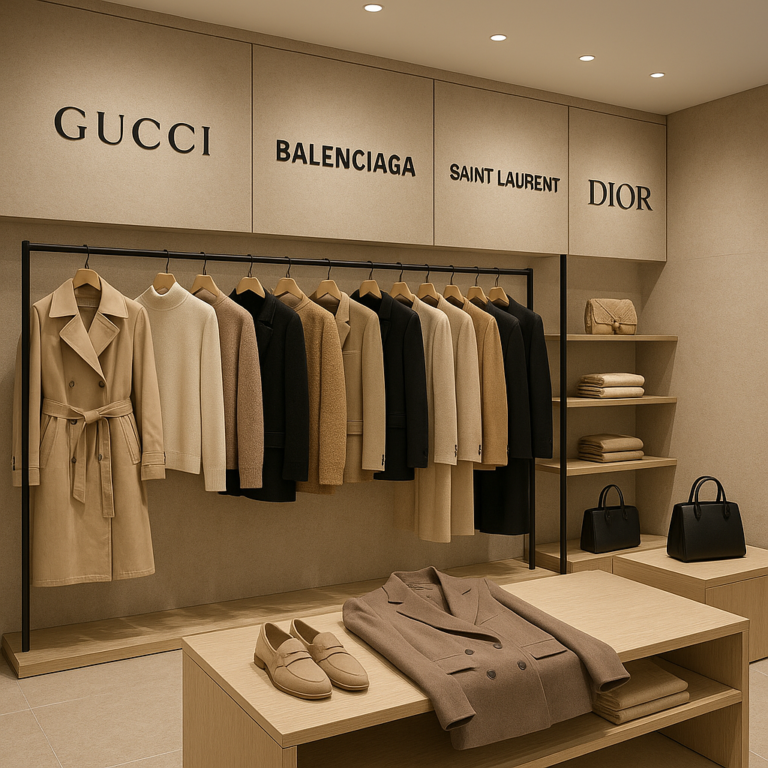
| Luxury (e.g., Gucci) | Very slim, tall, specific proportions | Often smaller than high street |
| Casual/Comfort (e.g., Lulemon) | Athletic, muscular definition | True to measurement, but stretchy |
| Vintage (Pre-1980s) | Hourglass, smaller waist | Much larger numbers for same size |
👗 Decoding the Numbers: How Women’s Clothing Sizes Vary by Brand
Let’s get specific. Women’s sizing is the most notorious offender in the fashion world. The variation isn’t just between brands; it’s often between collections within the same brand.
The “Misses” vs. “Junior” vs. “Women’s” Trap
Before you even look at the number, you need to know the category:
- Misses: Designed for an average, proportioned woman. Sizes are even numbers (2, 4, 6, 8).
- Junior: Designed for a younger, straighter figure with a shorter torso and no waist definition. Sizes are odd numbers (1, 3, 5, 7).
- Women’s (Plus): Designed for fuller figures, often with more room in the bust and hips. Sizes are usually 1X, 2X or 14W, 16W.
Crucial Insight: A size 6 in “Misses” is not the same as a size 6 in “Junior.” A Junior size 6 is significantly smaller and shorter.
Real-World Brand Comparisons
We tested a standard 34-inch waist across several major retailers. Here is what the tags said:
| Brand | Tag Size for 34″ Waist | Fit Characteristics |
|---|---|---|
| American Eagle | Size 6 | Relaxed, stretchy denim |
| Zara | Size 34 (EU) / 4 (US) | Slim, narrow cut, low rise |
| Madewell | Size 26 (Jeans) | High-waisted, true to measurement |
| Old Navy | Size 8 | Generous cut, “mom jean” fit |
| Reformation | Size 0 | Very small, vintage-inspired cut |
Note: These are approximations based on current trends and can vary by style.
For more detailed comparisons, visit our Brand Quality Comparisons section.
👔 The Men’s Fit Conundrum: Chest, Waist, and Neck Discrepancies
Men’s sizing seems more logical on paper (Chest/Waist/Neck), but the cut and fit variations are just as wild.
The “Slim” vs. “Regular” vs. “Relaxed” Spectrum
A size 40R (Regular) in Broks Brothers is cut differently than a size 40R in H&M.
- Slim Fit: Tapered at the waist, shorter sleeves.
- Regular Fit: Straight cut, more room in the seat and thighs.
- Relaxed Fit: Boxy, extra room everywhere.
The “Vanity” in Menswear
While less aggressive than in womenswear, vanity sizing exists here too. A size 32 waist in Levi’s 501s might measure 34 inches due to shrinkage allowances, while a size 32 in Calvin Klein might be a true 32.
Pro Tip: Always check the inseam and rise. A “Short” inseam in one brand might be 30 inches, while in another, it’s 28 inches.
👶 Kids’ and Teens’ Growth Spurts: Navigating Age vs. Measurement Sizes
Shopping for kids is a gamble. Do you buy by Age (e.g., “Size 8”) or by Height (e.g., “128cm”)?
The Age vs. Height Dilemma
- Age Sizing: Based on the average child of that age. Highly unreliable due to early growth spurts.
- Height Sizing: Based on centimeters/inches. Much more accurate.
- The “Tween” Gap: Many brands skip the transition from “Kids” to “Tens,” leaving a gap where a 12-year-old is too big for “Size 12” but too small for “Small” adult sizes.
Our Advice: Always measure the child’s height and chest. Ignore the age label. Brands like Carter’s and Gap Kids often have different sizing charts for the same age group depending on the collection.
🌍 Global Sizing Confusion: US vs. UK vs. EU vs. Asian Scales
This is where the confusion peaks. A size “M” in the US is not a “M” in Japan.
The Conversion Nightmare
| Size Label | US | UK | EU | France | Italy | Japan |
|---|---|---|---|---|---|---|
| XS | 0-2 | 4-6 | 32-34 | 34-36 | 38-40 | 3-5 |
| S | 4-6 | 8-10 | 36-38 | 38-40 | 42-4 | 7-9 |
| M | 8-10 | 12-14 | 40-42 | 42-4 | 46-48 | 1-13 |
| L | 12-14 | 16-18 | 4-46 | 46-48 | 50-52 | 15-17 |
| XL | 16-18 | 20-2 | 48-50 | 50-52 | 54-56 | 19-21 |
Warning: Asian sizing (Japan, China, Korea) is typically 1-2 sizes smaller than US sizing. A US Medium is often a Japanese Large or Extra Large. Always check the specific brand’s size chart before clicking “Buy.”
📊 The Vanity Size Trap: Why “Size 0” Isn’t What It Used to Be
We touched on this earlier, but it deserves its own spotlight. Vanity sizing is the practice of labeling a garment with a smaller number than its actual measurements to flatter the consumer.
The Data Doesn’t Lie
According to a study by the International Journal of Fashion Design, a US size 8 today has the same measurements as a US size 16 in 1958.
- 1958: Size 8 = 32″ bust, 24″ waist, 34″ hips.
- 2024: Size 8 = 36″ bust, 28″ waist, 38″ hips.
This shift has created a psychological disconnect. When you put on a size 8 and it fits, you feel great. When you put on a size 16 from 1958, you might feel “big,” even though you are wearing the exact same garment.
The Takeaway: Stop looking at the number. Look at the tape measure.
🧵 Fabric, Cut, and Style: How Garment Construction Alters Fit
Even if you know your measurements, the fabric and cut can throw a wrench in the works.
Fabric Stretch and Recovery
- 10% Cotton: No stretch. If you are between sizes, size up.
- Cotton/Spandex Blend: Has stretch. You can often size down for a snug fit.
- Denim: Raw denim shrinks. Pre-washed denim does not.
- Jersey: Drapes and stretches. Often forgiving of size discrepancies.
The “Cut” Factor
- Boxy Fit: Intentionally oversized. A size S might fit like an XL.
- Bodycon: Intentionally tight. You might need to size up for comfort.
- A-Line: Flares out from the waist. The waist measurement is critical; the hips don’t matter as much.
Stylist Anecdote: We once styled a client for a wedding. She bought a size 6 dress in a stiff taffeta that was too tight in the shoulders. We swapped it for a size 8 in a stretchy silk blend, and it fit perfectly. The fabric saved the day, not the size tag.
📐 How to Measure Yourself Accurately for Online Shopping
Ready to stop guessing? Here is your step-by-step guide to measuring yourself like a pro.
What You Need
- A soft measuring tape (the kind seamstresses use).
- A mirror (or a friend to help).
- Form-fitting underwear or a swimsuit.
The Measurement Process
- Bust: Measure around the fullest part of your chest. Keep the tape parallel to the floor. Do not pull it tight.
- Waist: Find your natural waist (the narrowest part, usually above the belly button). Breathe normally; don’t suck in!
- Hips: Measure around the fullest part of your hips and buttocks.
- Inseam (for pants): Measure from the crotch seam to the bottom of your ankle.
- Shoulders (for tops): Measure from the edge of one shoulder to the other across the back.
Pro Tip: Write these numbers down on a card and keep it in your wallet or phone notes. Never rely on your memory.
🛒 Mastering the Size Chart: A Step-by-Step Guide to Reading Brand Data
Every brand has a size chart, but they don’t all look the same. Here is how to decode them.
Step 1: Find the “Garment Measurements” vs. “Body Measurements”
- Body Measurements: What your body should be to fit the size.
- Garment Measurements: The actual dimensions of the clothes. This is the gold standard.
Example: A size M shirt might have a “Garment Chest” of 42 inches, meaning it fits a 40-inch chest with 2 inches of ease.
Step 2: Check the “Ease”
“Ease” is the extra room built into the garment.
- Negative Ease: The garment is smaller than your body (stretchy fabrics like leggings).
- Positive Ease: The garment is larger than your body (lose shirts, coats).
Step 3: Compare Your Numbers
Take your measurements and compare them to the Garment Measurements on the chart. If you are between sizes, size up for comfort, especially with non-stretch fabrics.
🔄 Returns, Exchanges, and Finding Your True Fit Online
So you bought the wrong size. Now what?
The Return Policy Reality
- Free Returns: Brands like ASOS and Nordstrom offer free returns, making it easy to order multiple sizes.
- Restocking Fees: Some brands charge a fee for returns, especially for final sale items.
- International Returns: Shipping costs can be prohibitive. Always check the policy before buying from overseas.
The “Order Two Sizes” Strategy
If you are unsure, order the size you think you are and the size next to it. Try them on at home, return the one that doesn’t fit. It’s better than paying for alterations later.
Check Price on:
- ASOS: Search for “Size Guide” on ASOS
- Nordstrom: Search for “Clothing” on Nordstrom
- Zappos: Search for “Women’s Clothing” on Zappos
💡 Quick Tips and Facts (Recap)
Let’s circle back to the most critical points to ensure you never get lost in the size maze again.
- 📏 Measure Every Time: Bodies change, and so do size charts. Measure yourself every 6 months.
- 👗 Read the Reviews: Look for photos and comments from people with your body type. “Runs small” or “True to size” are the most valuable phrases.
- 🌍 Know Your Region: US, UK, EU, and Asian sizes are not interchangeable.
- 🧵 Fabric Matters: Stretchy fabrics forgive size errors; rigid fabrics do not.
- 🔄 Return Policy: Always check the return policy before buying.
For more insights on Affordable Fashion Brands, explore our curated lists.
🏁 Conclusion

So, why do clothing brand sizes vary so much? The answer is a mix of marketing psychology, lack of regulation, target demographics, and fabric choices. There is no single “correct” size. Your size is not a number; it’s a variable that changes depending on the brand, the style, and the season.
The Verdict:
- Stop obsessing over the number. It’s meaningless.
- Start obsessing over the measurements. Bust, waist, hips, and inseam are your truth.
- Embrace the “Order Two Sizes” strategy. It’s the most reliable way to find your perfect fit online.
- Consider alterations. A $20 tailoring job can make a $10 dress fit like a $1,0 custom piece.
As we mentioned earlier, the industry is slowly moving towards digital fitting rooms and measurement-based sizing (like Boden and Makip are trying), but until then, you are your own best stylist. Trust your tape measure, ignore the tag, and wear what makes you feel confident.
Final Thought: Remember the client who thought she was a size 4 in Zara and a size 10 in Old Navy? She realized she wasn’t “wrong-bodied.” She just needed to know the language of each brand. Now, she shops with confidence, knowing exactly what to look for. You can do the same.
🔗 Recommended Links
Top Brands with Consistent Sizing
- Universal Standard: Known for true-to-size, inclusive sizing. Shop Universal Standard
- Eileen Fisher: Consistent cuts and high-quality fabrics. Shop Eileen Fisher
- Madewell: Reliable denim sizing. Shop Madewell
- Uniqlo: Great for basic sizing and fabric consistency. Shop Uniqlo
Books on Fashion and Sizing
- “Buts: A Backstory” by Heather Radke: A deep dive into the history of women’s bodies and sizing. Buy on Amazon
- “The Body: A Guide for Occupants” by Bill Bryson: While not strictly about fashion, it offers great context on human body diversity. Buy on Amazon
Tools for Better Fitting
- Virtusize: A digital tool to compare garment measurements. Visit Virtusize
- True Fit: A sizing technology used by many retailers. Learn about True Fit
❓ FAQ

What tips help ensure a perfect fit across various clothing brands?
The most effective tip is to ignore the size number and focus on garment measurements. Always compare your own body measurements (bust, waist, hips) to the specific brand’s size chart. Additionally, read customer reviews for notes on whether an item “runs small” or “runs large.” If possible, order two sizes and return the one that doesn’t fit.
Read more about “📊 Women’s Clothing Brand Statistics by Year: 2026 Trends Revealed”
Can fabric type affect the fit of clothing sizes?
Absolutely. Fabric composition is a major factor. Stretchy materials like spandex blends or jersey knits can accommodate a wider range of body sizes, often allowing you to size down. Conversely, non-stretch fabrics like 10% cotton, linen, or stiff denim require a more precise fit, often necessitating sizing up if you are between sizes.
Read more about “How Big is the Women’s Apparel Industry? (2026) 🌍💸”
How accurate are size charts for online clothing brands?
Size charts are generally accurate regarding garment measurements, but they can be misleading if they only list body measurements without accounting for “ease” (extra room). Some brands also use vanity sizing, where the chart numbers don’t match the actual physical dimensions. Always look for a chart that lists the actual dimensions of the garment.
Read more about “🌍 Top 25 Clothing Brands in the World (2026): The Ultimate Global Style Guide”
What factors influence size variations in clothing brands?
Several factors contribute to size variations:
- Fit Models: Each brand uses a different fit model based on their target demographic.
- Target Market: Brands size to appeal to their specific customer base (e.g., teens vs. mature women).
- Regional Standards: US, UK, EU, and Asian sizing systems differ significantly.
- Vanity Sizing: The trend of labeling larger garments with smaller numbers.
- Fabric and Cut: The material and style of the garment affect how it fits.
Read more about “15 Luxury Clothing Brands Worth Investing In for 2026 🧵”
Do international clothing sizes vary from US sizes?
Yes, significantly. Asian sizes are typically 1-2 sizes smaller than US sizes. European sizes use a different numbering system (e.g., EU 38 vs. US 8). UK sizes are often one size larger than US sizes for women (e.g., US 8 = UK 12). Always check the conversion chart provided by the brand.
How can I find the right size when shopping from different clothing brands?
Create a “reference card” with your current body measurements. When shopping, compare these numbers to the brand’s garment measurements. If the brand offers a “fit guide” or “size recommendation tool,” use it. Reading reviews from customers with a similar body type is also invaluable.
Read more about “7 Top Clothing Brands for Men to Elevate Your Style (2026) 🚀”
Why do clothing sizes differ between brands?
Brands do not follow a universal standard. They create their own size charts based on their fit model and target demographic. A brand targeting a younger, slimmer demographic will have different sizing than a brand targeting a more mature, curvy demographic. This lack of standardization leads to the inconsistency you experience.
Read more about “📊 Women’s Clothing Market Analysis 2026: 7 Trends Shaping $1.4T”
Do luxury clothing brands have different sizing standards than affordable or fast-fashion brands?
Often, yes. Luxury brands may use smaller fit models to maintain an image of exclusivity, resulting in smaller size tags for the same measurements. Fast-fashion brands like H&M or Zara often use vanity sizing to flatter customers, while affordable brands like Old Navy might use a more relaxed, generous cut.
What is the difference between junior, misses, and women’s sizing in clothing brands?
- Junior: Designed for younger bodies with a straighter figure and shorter torso. Sizes are odd numbers (1, 3, 5).
- Misses: Designed for an average, proportioned woman. Sizes are even numbers (2, 4, 6).
- Women’s (Plus): Designed for fuller figures, often with more room in the bust and hips. Sizes are usually 1X, 2X or 14W, 16W.
How do clothing brands cater to different body types and sizes?
Many brands now offer extended sizing (plus, petite, tall) and specific fits (curvy, athletic, hourglass). Some brands, like ASOS and Topshop, have dedicated collections for different body types. Others, like Hunza G, use a “one size fits most” approach with stretchy fabrics to accommodate a wide range of bodies.
Read more about “🌟 17+ Clothing Brands with Inclusive Sizing You Need in 2026”
Can I rely on universal size charts when shopping online for clothing?
No. There is no universal size chart. Each brand creates its own based on its specific fit model and target market. Relying on a generic conversion chart (e.g., “US 8 = EU 38”) is risky. Always check the specific brand’s size chart.
Read more about “🇺🇸 10 Top American Clothing Brands for Ladies (2026)”
Why do clothing sizes vary so much between brands and styles?
Variations occur due to design intent (e.g., a boxy fit vs. a bodycon fit), fabric choice (stretch vs. non-stretch), and brand philosophy (vanity sizing vs. true-to-size). Even within the same brand, a size 8 in a dress might fit differently than a size 8 in a pair of jeans.
How do I determine my correct size when shopping across different clothing brands?
Determine your correct size by measuring your body and comparing those measurements to the garment measurements on the brand’s size chart. If you are between sizes, size up for non-stretch fabrics and size down for stretchy fabrics.
What is the standard sizing chart for most clothing brands?
There is no standard sizing chart. The industry lacks a universal regulation. While some organizations have attempted to create standards (like the US National Bureau of Standards in the 1930s), they were never universally adopted. Each brand sets its own standard.
Read more about “🌍 Which Country Spends the Most on Clothes? (2026)”
📚 Reference Links
- The Guardian: “They’re meaningless’: why women’s clothing sizes don’t measure up” – Read the full article
- British Fashion Council: Statistics online returns and fit issues.
- International Journal of Fashion Design: Studies on vanity sizing and historical size changes.
- Levi’s: Official Size Guide
- ASOS: Official Size Guide
- Universal Standard: Official Size Guide
- Makip: Unisize Technology