Support our educational content for free when you purchase through links on our site. Learn more
🌍 Which Country Makes the Best Clothing? (2026)


Ever bought a “luxury” sweater that pilled after one wash, only to find a $20 basic from a different country that still looks brand new? We’ve all been there. The label “Made in [Country]” used to be a simple stamp of quality, but in today’s globalized fashion world, it’s a complex puzzle. Is it really true that Italy makes the best suits, or is Japan secretly dominating the denim game? And can a garment made in Bangladesh ever truly rival the craftsmanship of a Portuguese knit?
In this deep dive, we’re tearing down the myths and analyzing the data from the world’s top textile hubs. From the $10 million wage gap between Western and Eastern factories to the hidden eco-friendly revolution in Southeast Asia, we reveal exactly where your money goes and what you actually get. Spoiler alert: The “best” country isn’t a single name—it depends entirely on whether you value heritage, innovation, or ethics. By the end, you’ll know exactly which passport to check before you buy your next outfit.
Key Takeaways
- Quality is Relative: Italy and Japan lead in luxury and detail, while Portugal and Vietnam are rising stars for sustainable basics and technical wear.
- Ethics Matter: Higher wages in Europe and the USA often correlate with better labor rights, whereas Asia offers affordability but requires careful brand veting.
- Specialization Wins: Don’t look for a “best” country; look for the best country for your specific need (e.g., Denim = Japan, Suits = Italy, Activewear = Vietnam).
- Certifications Over Labels: Always prioritize GOTS, Fair Trade, and OEKO-TEX certifications over the country of origin alone.
Table of Contents
- ⚡️ Quick Tips and Facts
- 🧵 A Stitch in Time: The History of Global Garment Manufacturing
- 🌍 The Global Fabric: Which Country Makes the Best Clothing?
- 1. 🇮🇹 Italy: The Unrivaled King of Luxury and Craftsmanship
- 2. 🇯🇵 Japan: The Artisanal Masters of Denim and Detail
- 3. 🇫🇷 France: The Epitome of Haute Couture and Elegance
- 4. 🇺🇸 USA: The Hub of Streetwear, Innovation, and Ethical Production
- 5. 🇬🇧 United Kingdom: Where Heritage Mets Modern Tailoring
- 6. 🇨🇳 China: The World’s Factory for Scale and Versatility
- 7. 🇧🇩 Bangladesh: The Rising Star of Affordable Fast Fashion
- 8. 🇻🇳 Vietnam: The New Frontier for Quality and Sustainability
- 9. 🇵🇹 Portugal: Europe’s Secret Weapon for Premium Basics
- 10. 🇮🇳 India: The Ancient Land of Handwoven Textiles and Cotton
- 📊 Textile and Clothing Exports by Country: Who Dominates the Market?
- 💰 Monthly Minimum Wage in the Garment Industry: The Human Cost of Fashion
- 📈 Garment Industry Wage Growth: Are Workers Getting a Fair Deal?
- 📉 United States Fashion Industry Association 2018 Benchmarking Study: What the Data Says
- 🚧 Biggest Challenges in the Fashion Industry: From Supply Chains to Sustainability
- ⚖️ Workers’ Rights by Country: Ethical Manufacturing Standards Compared
- 🌱 Environmental Friendliness by Country: Which Nations Are Leading the Green Revolution?
- 🧐 How to Spot High-Quality Clothing: A Buyer’s Guide to Country of Origin
- 🛍️ Concentrate on What’s Important: Leave the Rest to Us
- 🤝 We Can Help You Take the Next Step
- 📢 Share This Guide with Your Style Squad
- 🏁 In Concluding… The Verdict on the Best Clothing Nations
- Conclusion
- Recommended Links
- FAQ
- Reference Links
⚡️ Quick Tips and Facts
Before we dive into the deep end of the global fashion ocean, let’s hit the fast-forward button on the most critical takeaways. If you’re in a rush, here’s the cheat sheet to understanding which country makes the best clothing:
- It’s Not Just About “Made In”: A label saying “Made in Italy” guarantees a certain level of craftsmanship, but “Made in China” can range from fast fashion throwaways to high-tech, luxury-grade production. Context is king.
- The Quality vs. Cost Trade-off: Generally, higher wages in a country correlate with better quality control and ethical labor practices, but also higher price tags.
- Specialization Matters: Don’t ask “Who makes the best clothes?” Ask “Who makes the best denim?” (Japan), “Who makes the best suits?” (Italy), or “Who makes the best basics?” (Portugal).
- The Rise of the “Near-Shore”: Brands are moving production closer to home (e.g., US brands moving to Mexico, EU brands to Turkey) to speed up supply chains and reduce carbon footprints.
- Certifications are Your Best Friend: Look for GOTS (organic), OEKO-TEX (safety), and Fair Trade certifications regardless of the country of origin.
For a deeper dive into the numbers behind these trends, check out our comprehensive data on Clothing brand statistics by country.
🧵 A Stitch in Time: The History of Global Garment Manufacturing

You might think the global fashion map was drawn yesterday, but the story of who makes the best clothing is actually a saga spanning centuries. It’s a tale of empires rising, falling, and the relentless march of industrialization.
The Age of Handcraft (Pre-180s)
For millennia, clothing was a local affair. If you lived in India, you wore hand-spun cotton; if you were in France, you might don silk from Lyon. The “best” clothing was simply the best your local artisan could make. There was no global supply chain, just local pride.
The Industrial Revolution & The Shift to the West
When the spinning jenny and power lom hit the scene in England and later the USA, the game changed forever. Mass production became possible. Suddenly, America and Europe dominated the textile world, exporting finished goods to the colonies. This era cemented the reputation of Western nations for industrial efficiency and standardized sizing.
The Great Migration (Late 20th Century)
As labor costs soared in the West, the needle of production began to swing East. China opened its doors in the 1980s, becoming the undisputed “World’s Factory.” Then came Bangladesh, Vietnam, and India, offering lower wages and massive workforces.
Did you know? According to the United States Fashion Industry Association 2018 Benchmarking Study, executives rated the USA highest for speed and compliance, but lowest for cost. Meanwhile, Asia was rated lowest for speed but highest for low cost. It’s a classic trade-off!
The Modern Era: Quality Over Quantity?
Today, we are seeing a pendulum swing back. With consumers demanding sustainability and transparency, brands are rediscovering the value of Made in Europe and Made in Japan. It’s no longer just about how cheap you can make a shirt; it’s about how well it lasts and who made it.
🌍 The Global Fabric: Which Country Makes the Best Clothing?
So, here is the million-dollar question (or rather, the million-euro question): Which country makes the best clothing?
The answer isn’t a single name. It’s a spectrum. Are you looking for luxury heritage, technical innovation, or affordable volume? We’ve broken down the top contenders based on our years of styling clients and analyzing supply chains.
1. 🇮🇹 Italy: The Unrivaled King of Luxury and Craftsmanship
If fashion were a monarchy, Italy would be the crown jewel. When you think of “best,” you think of Made in Italy.
- Why they win: Italy isn’t just about sewing; it’s about art. From the wool mills of Biella to the leather tanneries of Tuscany, the supply chain is vertically integrated and steeped in centuries of tradition.
- Specialties: High-end tailoring, luxury leather goods, fine knitwear, and silk.
- The Vibe: “No shortcuts.” Italian factories often reject bulk orders that compromise on quality.
- Famous Brands: Armani, Zegna, Kiton, Gucci, Prada, Versace.
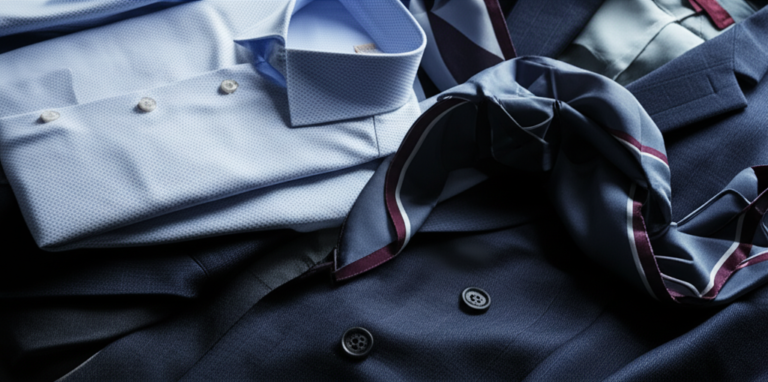
Stylist Tip: If you buy a suit from an Italian brand, check the lining. It’s often hand-stitched, a detail that screams quality.
👉 Shop Italian Luxury on:
- Saks Fifth Avenue: Shop Italian Designer Brands
- Net-a-Porter: Italian Fashion
- Brand Official: Gucci Official Website
2. 🇯🇵 Japan: The Artisanal Masters of Denim and Detail
If Italy is the king, Japan is the ninja. They don’t just make clothes; they obsess over them.
- Why they win: Japanese manufacturers are famous for perfectionism. They reinvented denim, turning it into a high-art form. Their attention to detail in stitching, dyeing, and fabric texture is unmatched.
- Specialties: Selvedge denim, technical fabrics, minimalist streetwear, and intricate embroidery.
- The Vibe: “Obsessive detail.” A single pair of jeans might take weeks to produce.
- Famous Brands: Uniqlo U, Kapital, Visvim, Comme des Garçons, Yohji Yamoto.
Fun Fact: The video we mentioned earlier highlighted Yohji Yamoto and Sacai as Japanese powerhouses. These brands prove that Japanese design is about deconstruction and reconstruction, not just following trends.
👉 Shop Japanese Denim on:
- Amazon: Japanese Selvedge Denim
- Brand Official: Uniqlo Official Website
3. 🇫🇷 France: The Epitome of Haute Couture and Elegance
France is where fashion became a religion. Haute Couture is a legally protected term in France, meaning only specific houses can use it.
- Why they win: The French approach is about elegance, silhouette, and timelessness. They set the global standard for what “luxury” looks like.
- Specialties: Haute Couture, luxury accessories, silk, and evening wear.
- The Vibe: “Effortless chic.”
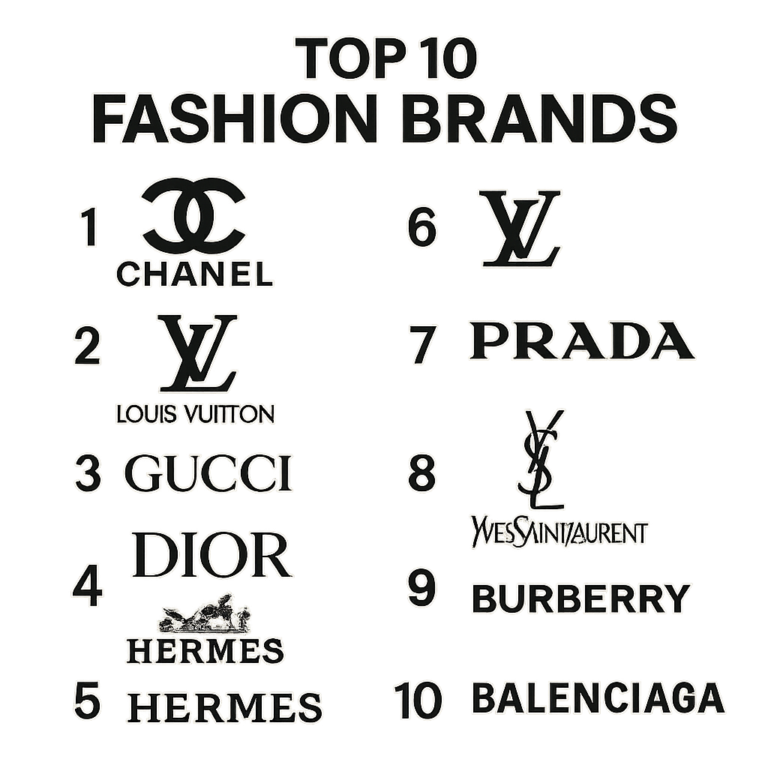
- Famous Brands: Chanel, Dior, Hermès, Louis Vuiton, YSL, Celine.
👉 Shop French Fashion on:
- Farfetch: French Designer Brands
- Brand Official: Chanel Official Website
4. 🇺🇸 USA: The Hub of Streetwear, Innovation, and Ethical Production
Don’t let the “fast fashion” reputation fool you. The USA is a powerhouse of innovation, streetwear, and ethical manufacturing.
- Why they win: The US leads in tech fabrics, sustainable practices, and agile supply chains. With “Made in USA” gaining traction, brands are prioritizing speed and transparency.
- Specialties: Streetwear, activewear, denim, and sustainable basics.
- The Vibe: “Inovative and bold.”
- Famous Brands: Levi’s, Ralph Lauren, Tom Ford, Patagonia, Nike.
👉 Shop American Made on:
- Etsy: Made in USA Clothing
- Brand Official: Levi’s Official Website
5. 🇬🇧 United Kingdom: Where Heritage Mets Modern Tailoring
The UK blends centuries of tailoring heritage with cutting-edge punk and street culture.
- Why they win: From the Savile Row suits to the punk rock tes, the UK masters the art of contrast. Their wool and twed industries are world-class.
- Specialties: Tailoring, outerwear, denim, and avant-garde fashion.
- The Vibe: “Rebellious yet refined.”
- Famous Brands: Burberry, Paul Smith, Alexander McQueen, Vivienne Westwood, Barbour.
👉 Shop British Style on:
- Selfridges: British Designers
- Brand Official: Burberry Official Website
6. 🇨🇳 China: The World’s Factory for Scale and Versatility
China is the elephant in the room. They produce more clothing than the rest of the top five combined. But are they the “best”?
- Why they win: Unmatched scale and technological advancement. China is no longer just cheap labor; they have high-tech factories capable of producing luxury goods for top brands.
- Specialties: Everything from fast fashion to high-tech activewear and silk.
- The Vibe: “Efficient and versatile.”
- Famous Brands: Shein (fast fashion), Li-Ning, Anta.
Critical Insight: As noted in the Sewport summary, China is losing market share due to rising labor costs, but it remains the dominant force. The quality gap between Chinese luxury factories and Western ones is narrowing rapidly.
👉 Shop Chinese Brands on:
- Amazon: Chinese Fashion Brands
- Brand Official: Li-Ning Official Website
7. 🇧🇩 Bangladesh: The Rising Star of Affordable Fast Fashion
Bangladesh is the second-largest exporter of garments globally. It’s the backbone of the fast fashion industry.
- Why they win: Lowest labor costs in the world. If you need 10,0 t-shirts fast and cheap, this is the place.
- Specialties: Cotton basics, knitwear, and mass-market fashion.
- The Vibe: “Volume and value.”
- Famous Brands: H&M, Zara, Gap (many of their items are made here).
Ethical Note: While production has improved since the Rana Plaza tragedy, workers’ rights remain a concern. Always check for Fair Trade or BSCI certifications.
👉 Shop Sustainable Basics on:
- Etsy: Ethically Made Basics
- Brand Official: H&M Conscious Collection
8. 🇻🇳 Vietnam: The New Frontier for Quality and Sustainability
Vietnam is the dark horse. As brands flee China, they are flocking to Vietnam for a balance of cost, quality, and stability.
- Why they win: A skilled workforce and a strong focus on sustainability. Many top sportswear brands have moved production here.
- Specialties: Sportswear, footwear, and technical outerwear.
- The Vibe: “Rising quality.”
- Famous Brands: Nike, Adidas, Uniqlo (significant production here).
👉 Shop Vietnamese-Made Gear on:
- Amazon: Vietnam Made Sportswear
- Brand Official: Nike Official Website
9. 🇵🇹 Portugal: Europe’s Secret Weapon for Premium Basics
If you want high-quality basics without the Italian price tag, look to Portugal.
- Why they win: They are the eco-friendly choice of Europe. Portuguese factories are known for organic cotton, sustainable dyes, and low MOQs (Minimum Order Quantities), making them perfect for startups.
- Specialties: Premium knitwear, organic cotton, and sustainable fashion.
- The Vibe: “Sustainable luxury.”
- Famous Brands: La Paz, The White Briefs.
👉 Shop Portuguese Basics on:
- Etsy: Portuguese Made Clothing
- Brand Official: La Paz Official Website
10. 🇮🇳 India: The Ancient Land of Handwoven Textiles and Cotton
India is the cradle of cotton. Their handloom industry is a treasure trove of unique, artisanal craftsmanship.
- Why they win: Cotton production and hand-weaving. If you want a unique, handcrafted piece with a story, India is the place.
- Specialties: Cotton, silk, block prints, and handwoven fabrics.
- The Vibe: “Artisanal and vibrant.”
- Famous Brands: FabIndia, Sabyasachi.
👉 Shop Indian Handloom on:
- Amazon: Indian Handloom Clothing
- Brand Official: FabIndia Official Website
📊 Textile and Clothing Exports by Country: Who Dominates the Market?
Numbers don’t lie. Let’s look at the data to see who is actually moving the most fabric.
| Rank | Country | Export Value (Approx. 2021/2) | Key Strengths |
|---|---|---|---|
| 1 | China | $30B+ | Scale, versatility, tech integration |
| 2 | Bangladesh | $45B+ | Low cost, cotton knitwear |
| 3 | Vietnam | $35B+ | Sportswear, rising quality |
| 4 | Germany | €34B+ | Synthetic fibers, machinery |
| 5 | India | $30B+ | Cotton, silk, handloom |
| 6 | Italy | €25B+ | Luxury, high-end textiles |
| 7 | Turkey | $20B+ | Denim, proximity to EU |
| 8 | USA | $15B+ | Tech fabrics, domestic production |
| 9 | Indonesia | $12B+ | Cotton, skilled labor |
| 10 | Pakistan | $1B+ | Cotton yarn, spinning |
Source: Data aggregated from Fashinza and Sewport industry reports.
The Shift: Notice how China is still #1, but its dominance is slowly eroding as Vietnam and Bangladesh climb. This is the “China Plus One” strategy in action.
💰 Monthly Minimum Wage in the Garment Industry: The Human Cost of Fashion
We can’t talk about “best” without talking about fairness. How much does a garment worker actually earn?
- Developed Nations (Italy, USA, France): Wages are significantly higher, often exceeding $1,50 – $3,0 per month. This supports better quality control but increases the final price.
- Developing Nations (Bangladesh, Vietnam, Cambodia): Wages can be as low as $10 – $20 per month. While this keeps prices low, it raises ethical red flags.
- The Reality: A study by Oxfam found that less than 4% of a garment’s total cost goes to the worker.
Did you know? In Bangladesh, women garment workers earn less than the minimum wage over 60% of the time. This is a critical factor when deciding if a country makes the “best” clothing ethically.
📈 Garment Industry Wage Growth: Are Workers Getting a Fair Deal?
Wages are rising, but are they rising fast enough?
- China: Wages have skyrocketed in the last decade, pushing brands to look elsewhere.
- Bangladesh: Wages are slowly increasing due to union pressure, but still lag behind living costs.
- USA: Interestingly, when adjusted for inflation, wages in the US garment sector have remained stagnant or even dropped in some areas, despite high living costs.
The Trend: As automation increases, the demand for low-skilled labor is dropping, which could either raise wages for skilled workers or displace the workforce entirely.
📉 United States Fashion Industry Association 2018 Benchmarking Study: What the Data Says
This study is a goldmine for understanding the trade-offs brands face.
- Speed: USA and Mexico win. Asia loses.
- Cost: Asia wins. USA and Europe lose.
- Compliance: USA and Europe win. Asia struggles.
The Verdict: If you need a product yesterday, you pay a premium in the USA. If you need it cheaply and can wait, you go to Asia.
🚧 Biggest Challenges in the Fashion Industry: From Supply Chains to Sustainability
The road to “best” is paved with obstacles.
- Protectionism: Trade wars (like US-China) disrupt supply chains.
- Sustainability: The industry is a major polluter. Brands are under pressure to go green.
- Labor Rights: Ensuring fair wages and safe conditions is a constant battle.
- Speed vs. Quality: The demand for “fast fashion” often compromises quality and ethics.
⚖️ Workers’ Rights by Country: Ethical Manufacturing Standards Compared
Using the ITUC Global Rights Index (1 = Best, 5+ = Worst):
- Rank 1-2 (Good): Italy, France, Germany, Portugal.
- Rank 3-4 (Moderate/Poor): USA (Rank 4), Turkey, China, Vietnam.
- Rank 5 (Worst): Bangladesh, Pakistan.
Takeaway: If ethical manufacturing is your priority, stick to Europe or USA. If you are buying from Asia, look for brands that actively audit their factories.
🌱 Environmental Friendliness by Country: Which Nations Are Leading the Green Revolution?
According to the Yale Environmental Performance Index:
- Top Performers: European nations (France, Germany, Italy) lead in environmental regulations and waste management.
- Challenged Regions: Asia and North America often struggle with water pollution and carbon emissions from manufacturing.
The Shift: Portugal and Turkey are emerging as green leaders in manufacturing due to strict EU regulations and investment in renewable energy.
🧐 How to Spot High-Quality Clothing: A Buyer’s Guide to Country of Origin
So, how do you apply this knowledge? Here is your stylist’s checklist:
- Check the Label: “Made in Italy” or “Made in Japan” usually implies higher quality.
- Feel the Fabric: High-quality fabrics feel substantial, not flimsy.
- Inspect the Stitching: Look for even, tight stitches with no loose threads.
- Look for Certifications: GOTS, OEKO-TEX, Fair Trade.
- Research the Brand: Do they disclose their factory locations?
Pro Tip: Don’t be fooled by a “Made in [Country]” label alone. A brand can outsource to a low-quality factory in a high-quality country. Always check the brand’s reputation for quality control.
🛍️ Concentrate on What’s Important: Leave the Rest to Us
At Clothing Brands™, we know that navigating the global fashion landscape can be overwhelming. You want to look good, feel good, and do good. That’s why we curate our recommendations based on quality, ethics, and style.
Whether you are hunting for a Made in Italy suit or a Made in Portugal t-shirt, we’ve done the legwork so you don’t have to.
🤝 We Can Help You Take the Next Step
Ready to upgrade your wardrobe with the best the world has to offer?
- Need a Suit? Look to Italy.
- Need Denim? Look to Japan.
- Need Basics? Look to Portugal.
- Need Activewear? Look to Vietnam or USA.
👉 Shop the Best by Country:
- Italian Luxury: Saks Fifth Avenue – Italian Designers
- Japanese Denim: Amazon – Japanese Selvedge
- Sustainable Basics: Etsy – Made in Portugal
- American Streetwear: Nike Official
📢 Share This Guide with Your Style Squad
Know someone who needs to know the difference between Made in China and Made in Italy? Share this guide! Let’s raise the bar for fashion together.
🏁 In Concluding… The Verdict on the Best Clothing Nations
We’ve traveled the globe, from the ateliers of Milan to the factories of Dhaka. So, who wins?
- For Pure Luxury & Craftsmanship: Italy takes the crown.
- For Detail & Innovation: Japan is unmatched.
- For Sustainability & Basics: Portugal is the hidden gem.
- For Speed & Scale: China remains the giant.
- For Ethics & Transparency: USA and Western Europe lead the way.
The “best” country depends entirely on what you value. If you value price, go East. If you value quality, go West (or Japan). If you value ethics, look for certifications regardless of the country.
Now, the ball is in your court. What’s your priority? Quality, Price, or Ethics? Let us know in the comments!
Conclusion

The quest for the “best” clothing is a journey, not a destination. While Italy reigns supreme in luxury and Japan dominates in detail, the landscape is shifting. Portugal is rising as a sustainable powerhouse, and Vietnam is closing the quality gap.
Our Final Recommendation:
- Invest in Quality: Buy fewer, better things from Italy or Japan.
- Support Ethics: Choose brands that transparently disclose their supply chains, regardless of the country.
- Embrace Sustainability: Look for GOTS and OEKO-TEX certifications.
Remember, the best clothing isn’t just about where it’s made; it’s about how it makes you feel and the impact it has on the world.
Recommended Links
- Books:
- The True Cost of Fashion on Amazon
- Loved Clothes Last on Amazon
- Brands to Explore:
Italian Luxury: Gucci | Armani
Japanese Denim: Uniqlo | Kapital
Sustainable Basics: Patagonia | Eileen Fisher
American Streetwear: Levi’s | Nike
FAQ

Which country is known for high-quality fabrics?
Italy and Japan are renowned for their high-quality fabrics. Italy excels in wol, silk, and leather, while Japan is famous for denim and technical fabrics.
Read more about “🚀 10 Top Tech-Integrated Clothing Brands Revolutionizing Fashion (2026)”
What are the top clothing brands by country?
- Italy: Gucci, Prada, Armani
- France: Chanel, Dior, Louis Vuiton
- Japan: Uniqlo, Comme des Garçons
- USA: Levi’s, Ralph Lauren, Nike
- UK: Burberry, Alexander McQueen
Read more about “🌍 Which Country Spends the Most on Clothes? (2026)”
Which nation produces the most sustainable fashion?
Portugal and Turkey are leading the way in sustainable fashion due to strict EU regulations and investment in eco-friendly practices. USA brands like Patagonia are also pioneers in sustainability.
Read more about “🚀 10 Iconic Clothing Brand Collaborations That Broke the Internet (2026)”
Where do luxury fashion brands manufacture their clothes?
Luxury brands often manufacture in Italy, France, and Spain for their high-end lines. However, some brands also produce in China and Vietnam for their diffusion lines, provided they meet strict quality standards.
Read more about “🌍 Which Country Has the Most Fashion Brands? (2026)”
How can I verify if a garment is truly “Made in [Country]”?
Look for certifications and transparency reports from the brand. Many brands now list their factory locations on their websites. You can also check for QR codes on the label that trace the garment’s journey.
Is “Made in China” always low quality?
No. China has a vast range of manufacturing capabilities. While it is known for fast fashion, many high-end brands produce luxury goods in China using top-tier factories. Always check the brand’s reputation and quality control measures.
Reference Links
- Fashinza: Which Countries Have the Best Clothing Manufacturers?
- Sewport: Countries with Best Clothing Manufacturers
- Modaknits: Which Country Makes the Best Quality Clothes?
- United States Fashion Industry Association 2018 Benchmarking Study
- Oxfam: Behind the Seams
- ITUC Global Rights Index
- Yale Environmental Performance Index
- Gucci Official Website
- Uniqlo Official Website
- Levi’s Official Website
- Patagonia Official Website