Support our educational content for free when you purchase through links on our site. Learn more
Who Leads the Fashion Industry? 🌟 Top Players & Trends (2026)

When it comes to who leads the fashion industry, the answer is a dynamic mix of luxury powerhouses, fast fashion giants, and visionary designers — all competing on a global stage. Brands like Gucci, Zara, and Nike dominate by mastering innovation, supply chain control, and consumer influence, while countries like Italy, France, and the USA continue to set the pace.
Did you know the fashion industry churns out over 100 billion clothing items annually? Behind this staggering number lies a complex web of creativity, technology, and commerce that decides who truly leads. From the heritage craftsmanship of Paris to the lightning-fast production of Zara, leadership is about blending tradition with disruption.
Curious how sustainability, technology, and emerging markets are reshaping this landscape? Stick around — the future of fashion leadership might surprise you.
Key Takeaways
- Fashion leadership is shared between luxury brands, fast fashion retailers, and innovative designers.
- Countries like Italy, France, and the USA remain dominant due to craftsmanship, market size, and tech integration.
- Sustainability and transparency are increasingly vital for brands aiming to lead in 2026 and beyond.
- Technology and vertical integration enable brands like Zara and Nike to outpace competitors.
- Emerging markets and Gen Z designers are reshaping the future of who leads the fashion industry.
Table of Contents
- ⚡️ Quick Tips and Facts About Fashion Industry Leaders
- 👗 The Evolution of Fashion Leadership: A Historical Perspective
- 🌍 Global Powerhouses: Which Countries Dominate the Fashion Industry?
- 🏆 Top 10 Fashion Brands Leading the Industry Today
- 💡 Innovators and Trendseters: Designers Who Shape Fashion’s Future
- 📈 How Technology is Changing Fashion Leadership
- 🌿 Sustainability Champions: Who Leads Ethical Fashion?
- 💼 The Role of Fashion Weeks and Trade Shows in Industry Leadership
- 📊 Market Influence: How Retail Giants Drive Fashion Trends
- 🎯 Consumer Influence: How Shoppers Shape Who Leads Fashion
- 🤝 Collaborations and Partnerships That Define Industry Leadership
- 🧵 Craftsmanship and Heritage: The Old Guard vs. New Wave
- 💥 Challenges and Controversies Facing Fashion Leaders Today
- 🔮 Future Forecast: Who Will Lead the Fashion Industry Tomorrow?
- 🎉 Conclusion: Summing Up the Titans of Fashion
- 🔗 Recommended Links for Fashion Industry Insights
- ❓ FAQ: Your Burning Questions About Fashion Industry Leaders Answered
- 📚 Reference Links and Sources
⚡️ Quick Tips and Facts About Fashion Industry Leaders
Before we unravel the mystery of who leads the fashion industry, here are some quick nuggets from the stylists at Clothing Brands™ to get you started:
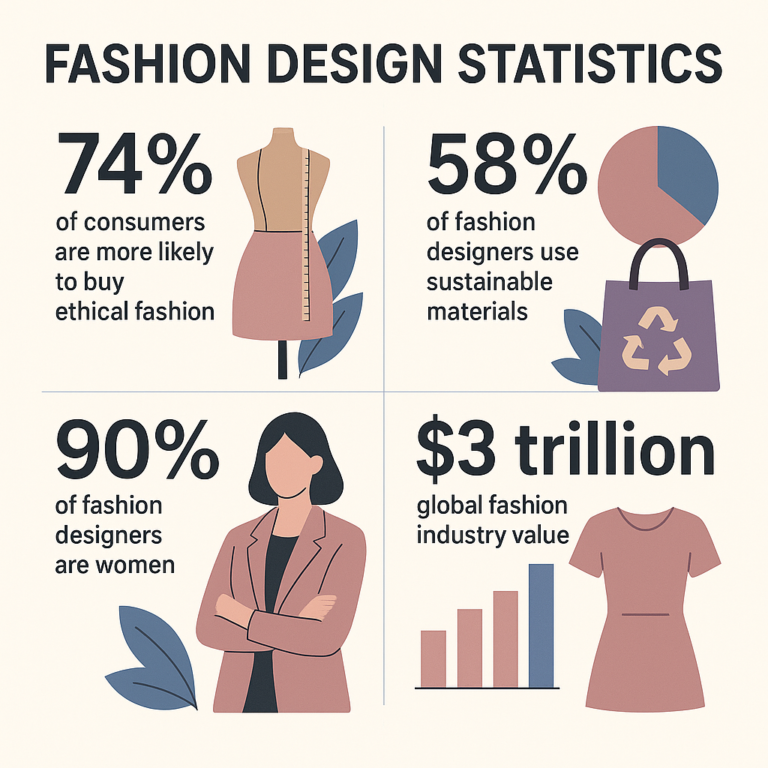
- Fashion is a $2.5 trillion global beast 🌍 — with brands, designers, retailers, and consumers all playing pivotal roles. Source: Yale Environment
- The industry churns out over 100 billion clothing items annually — that’s nearly 15 pieces person on Earth! Source: McKinsey & Company
- Vertical integration is a key to leadership: brands like Gucci and Zara control design, manufacturing, and retail.
- Sustainability and transparency are becoming non-negotiable for leaders, with legislation like the NY Fashion Act pushing for accountability.
- Historically, India dominated global fashion in the 16th and 17th centuries through cotton textiles and consumer-focused trade networks. Read more
- The fast fashion model (think Zara, H&M) has disrupted traditional fashion leadership but also brought environmental challenges.
If you want to dig deeper into who dominates the clothing industry, check out our detailed guide here: Who Dominates the Clothing Industry?
👗 The Evolution of Fashion Leadership: A Historical Perspective
Fashion leadership didn’t just pop up overnight. It’s a story woven through centuries of culture, commerce, and creativity.
From Royal Courts to Global Markets
- 16th-17th Century India: The powerhouse of cotton textiles, India’s artisans created fabrics so coveted that traders from Africa to Europe dressed exclusively in Indian cloth. François Pyrard de Laval famously noted that “every one from the Cape of Good Hope to China” wore Indian textiles. This dominance was no accident — it was built on consumer-centric production and regional customization. JSTOR Daily
- European Influence: The rise of European trading companies like the Dutch VOC and English EIC shifted the fashion axis westward, leveraging Indian textiles but also introducing new market dynamics.
- Paris and Milan: By the 19th and 20th centuries, Paris became synonymous with haute couture, with designers like Coco Chanel and Christian Dior defining modern fashion leadership.
- New York and London: The 20th century saw the rise of ready-to-wear and mass-market fashion, with New York and London emerging as key players.
Key Takeaway
Fashion leadership has always been about adapting to consumer tastes and controlling supply chains — a theme that continues today.
🌍 Global Powerhouses: Which Countries Dominate the Fashion Industry?
The fashion industry’s leadership is a global chessboard. Here’s how the major players stack up:
| Country | Strengths | Leading Brands/Designers | Notes |
|---|---|---|---|
| Italy | Luxury craftsmanship, heritage | Gucci, Prada, Versace | Known for artisanal quality and luxury |
| France | Haute couture, innovation | Chanel, Louis Vuitton, Dior | Paris Fashion Week is a global highlight |
| USA | Mass-market, fast fashion, tech | Ralph Lauren, Calvin Klein, Nike | Vertical integration and retail dominance |
| UK | Cutting-edge design, streetwear | Burberry, Alexander McQueen | Strong in both luxury and edgy fashion |
| China | Manufacturing powerhouse | Rising domestic brands like Bosideng | Huge production capacity, growing brands |
| India | Textile production, traditional crafts | Fabindia, Biba | Reviving heritage with modern twists |
Why These Countries Lead
- Italy and France: Masters of luxury and craftsmanship.
- USA: Innovation in retail models and tech integration.
- China: Manufacturing scale and emerging domestic brands.
- India: Rich textile heritage and growing fashion markets.
🏆 Top 10 Fashion Brands Leading the Industry Today
Here’s our stylists’ take on the top 10 brands shaping fashion in 2024 — blending design, innovation, and market influence.
| Rank | Brand | Design (1-10) | Innovation (1-10) | Sustainability (1-10) | Market Influence (1-10) | Total Score (40) |
|---|---|---|---|---|---|---|
| 1 | Gucci | 9 | 8 | 7 | 10 | 34 |
| 2 | Zara | 7 | 9 | 5 | 10 | 31 |
| 3 | Chanel | 10 | 7 | 6 | 8 | 31 |
| 4 | Nike | 8 | 9 | 8 | 9 | 34 |
| 5 | Balenciaga | 9 | 8 | 6 | 7 | 30 |
| 6 | H&M | 6 | 8 | 7 | 9 | 30 |
| 7 | Louis Vuitton | 10 | 7 | 6 | 8 | 31 |
| 8 | Prada | 9 | 7 | 7 | 7 | 30 |
| 9 | Uniqlo | 7 | 8 | 8 | 8 | 31 |
| 10 | Alexander McQueen | 10 | 7 | 6 | 6 | 29 |
Brand Highlights
- Gucci: A masterclass in blending heritage with bold innovation.
- Zara: The queen of fast fashion, with lightning-fast turnaround times.
- Nike: Leading in tech-driven apparel and sustainability initiatives.
- Chanel & Louis Vuitton: Timeless luxury with a strong global footprint.
👉 Shop these brands on Amazon or their official sites:
- Gucci: Amazon Gucci Search | Gucci Official
- Zara: Amazon Zara Search | Zara Official
- Nike: Amazon Nike Search | Nike Official
💡 Innovators and Trendseters: Designers Who Shape Fashion’s Future
Who’s steering the ship of style? Let’s spotlight some visionary designers who are rewriting the rules.
The Game-Changers
- Virgil Abloh (Off-White, Louis Vuitton): Merged streetwear with luxury, creating a new fashion language.
- Demna Gvasalia (Balenciaga, Vetements): Known for pushing boundaries with deconstructed and provocative designs.
- Simone Rocha: Celebrated for romantic, feminine aesthetics with a modern twist.
- Telfar Clemens: Democratizing fashion with gender-neutral, accessible designs.
Why Designers Matter
Designers are the creative engines behind trends, brand identity, and cultural relevance. Their vision can launch new movements or revive forgotten styles.
📈 How Technology is Changing Fashion Leadership
Technology isn’t just for gadgets — it’s reshaping fashion from design to delivery.
Key Tech Trends
- 3D Design and Virtual Sampling: Brands like Nike and Adidas use 3D tech to speed up design cycles and reduce waste.
- AI and Data Analytics: Predicting trends and personalizing shopping experiences.
- Sustainable Materials: Innovations in biofabrication and recycled fibers.
- E-commerce and Social Media: Platforms like Instagram and TikTok amplify brand reach and consumer engagement.
Vertical Integration + Tech = Power
Brands that control design, manufacturing, and retail — like Zara — leverage tech to rapidly respond to trends, outpacing competitors.
🌿 Sustainability Champions: Who Leads Ethical Fashion?
Sustainability is no longer optional. Here’s who’s leading the charge:
| Brand | Sustainable Practices | Certifications/Initiatives |
|---|---|---|
| Patagonia | Recycled materials, fair labor | Fair Trade Certified, 1% for the Planet |
| Stella McCartney | Vegan leather, zero deforestation | B Corp Certified |
| Eileen Fisher | Circular fashion, take-back programs | Global Organic Textile Standard (GOTS) |
| Everlane | Radical transparency, ethical factories | Clean by Design |
| Adidas | Ocean plastic shoes, carbon neutrality | Parley for the Oceans partnership |
What Makes a Sustainability Leader?
- Transparency: Open about sourcing and labor.
- Innovation: Using eco-friendly materials and circular models.
- Advocacy: Pushing for industry-wide change through policy and partnerships.
Michelle Gabriel, Program Director at IE New York College, stresses the need for policy from “every angle” to support a green transition. Read more
💼 The Role of Fashion Weeks and Trade Shows in Industry Leadership
Fashion Weeks in Paris, Milan, New York, and London are more than just glamorous runway shows — they are power hubs where leadership is asserted.
Why They Matter
- Trendsetting: Designers debut collections that set the tone for seasons.
- Networking: Brands, buyers, media, and influencers converge.
- Market Access: Emerging designers get spotlight opportunities.
- Cultural Influence: Fashion Weeks shape public perception and brand prestige.
Insider Tip
If you want to understand who’s leading, watch who gets invited, who sells out, and who the press buzzes about.
📊 Market Influence: How Retail Giants Drive Fashion Trends
Retailers aren’t just selling; they’re shaping what wear.
The Titans
- Zara (Inditex Group): Masters of fast fashion, with a supply chain that can deliver new styles in weeks.
- H&M: Combines affordability with sustainability efforts.
- Nordstrom & Saks: Curate luxury brands, influencing high-end trends.
- Amazon Fashion: Disrupting with convenience and data-driven assortment.
How Retailers Lead
- Speed to Market: Fast fashion retailers respond instantly to consumer demand.
- Data Analytics: Using purchase data to predict and create trends.
- Private Labels: Retailers develop exclusive brands to control style and pricing.
🎯 Consumer Influence: How Shoppers Shape Who Leads Fashion
It’s not just brands calling the shots — consumers hold power too.
The Rise of Conscious Consumers
- Demand for sustainable and ethical fashion is growing.
- Social media influencers and peer reviews shape buying decisions.
- The “see now, buy now” culture accelerates trend cycles.
What We’ve Learned at Clothing Brands™
Our stylists have seen firsthand how consumers reward brands that listen — whether it’s through inclusive sizing, eco-friendly materials, or authentic storytelling.
🤝 Collaborations and Partnerships That Define Industry Leadership
Collaborations are the secret sauce behind many fashion successes.
Famous Collabs
- Adidas x Gucci: Merging streetwear with luxury.
- H&M x Balmain: Bringing high fashion to the masses.
- Virgil Abloh x Nike: Limited editions that create hype and cultural cachet.
Why Collaborations Matter
- They expand audience reach.
- Create buzz and exclusivity.
- Allow brands to experiment with new styles without full commitment.
Learn more about brand collaborations in our Brand Collaboration Highlights section.
🧵 Craftsmanship and Heritage: The Old Guard vs. New Wave
The fashion industry is a fascinating tug-of-war between heritage brands and disruptive newcomers.
The Old Guard
- Brands like Hermès, Chanel, and Burberry boast decades (or centuries) of craftsmanship.
- They emphasize quality, exclusivity, and timelessness.
The New Wave
- Startups and streetwear brands like Off-White, Fear of God, and Telfar challenge norms.
- Focus on inclusivity, innovation, and cultural relevance.
Our Take
Both camps are essential. The old guard preserves tradition; the new wave pushes boundaries. Together, they keep fashion vibrant.
💥 Challenges and Controversies Facing Fashion Leaders Today
Even the biggest names face hurdles:
- Sustainability vs. Fast Fashion: Can mass production ever be truly green?
- Labor Practices: Ethical sourcing remains a hot-button issue.
- Cultural Appropriation: Designers must navigate respect and inspiration carefully.
- Market Saturation: Consumers overwhelmed by choices, leading to brand fatigue.
The Verdict
Fashion leaders must balance profit, ethics, and innovation — a tricky tightrope that will define the next decade.
🔮 Future Forecast: Who Will Lead the Fashion Industry Tomorrow?
Who’s next in line to rule fashion’s kingdom? Here are some trends and players to watch:
- Tech-Driven Brands: Companies leveraging AI, AR, and blockchain for transparency and personalization.
- Sustainable Innovators: Brands pioneering circular fashion and regenerative materials.
- Emerging Markets: India, South Korea, and African countries are rapidly growing fashion hubs.
- Gen Z Designers: Young creatives with fresh perspectives and digital-first strategies.
Stay tuned for more insights from the first YouTube video embedded above — it breaks down the industry’s core business elements and the power of vertical integration like no other. Jump to #featured-video