Support our educational content for free when you purchase through links on our site. Learn more
🚀 Gender-Fluid Apparel Market Growth Trends: The $62B Boom (2026)

Remember the awkward moment when you stood frozen between the “Men’s” and “Women’s” aisles, wondering if that perfect oversized blazer was actually yours? You aren’t alone. In fact, you’re part of a massive wave that is reshaping the entire fashion industry. The days of rigid binary shopping are fading, replaced by a $62 billion revolution that is redefining style for everyone.
While traditional reports might bore you with dry charts, the reality on the runway is electric. From Gen Z ditching labels to major luxury houses embracing fluid silhouettes, the market isn’t just growing; it’s exploding. We’ve analyzed the data, interviewed the pioneers, and tracked the shifts to bring you the definitive guide on gender-fluid apparel market growth trends. Spoiler alert: by 2035, the concept of “gendered clothing” might be as outdated as the corset.
Key Takeaways
- Explosive Growth: The global gender-fluid apparel market is projected to surge from $3.2 billion today to nearly $62 billion by 2035, driven by a 2.9% to 5.5% CAGR.
- Demographic Shift: Over 56% of Gen Z actively seeks gender-neutral options, proving this is a values-driven lifestyle change, not a fleeting trend.
- Beyond Sizing: The future lies in inclusive grading systems and modular designs that move past the limitations of traditional S-M-L binary sizing.
- Market Leaders: Brands like Telfar, Eckhaus Latta, and Nike are leading the charge, while legacy giants like Zara and Gucci rapidly adapt their strategies.
- Sustainability Link: Gender-fluid fashion is a win for the planet, reducing waste through SKU consolidation and universal fit production.
Table of Contents
- ⚡️ Quick Tips and Facts
- 🕰️ From Androgyny to Androgynous: A Brief History of Gender-Fluid Fashion Evolution
- 📈 The Explosive Rise: Analyzing Gender-Fluid Apparel Market Growth Trends and Projections
- 🌍 Global Shifts: Regional Insights into the Gender-Neutral Clothing Landscape
- 🧵 Market Segmentation Deep Dive: By Type, Application, and Consumer Demographics
- 🚀 The Engines of Change: Key Driving Factors Fueling the Unisex Clothing Boom
- 🚧 Hurdles on the Runway: Restraints and Challenges in the Gender-Fluid Sector
- 🏆 Power Players: Top Brands Redefining the Genderless Fashion Industry
- 📊 Competitive Landscape: Strategic Mergers, Acquisitions, and Industrial Developments
- 🛍️ The Consumer Mindset: Why Gen Z and Millennials Are Ditching the Binary
- 🌈 Beyond the Label: The Psychological and Social Impact of Gender-Neutral Apparel
- 🔮 Future Forecast: Predictions for the Gender-Fluid Market Through 2035
- 💡 Quick Tips and Facts
- 🏁 Conclusion
- 🔗 Recommended Links
- ❓ FAQ
- 📚 Reference Links
⚡️ Quick Tips and Facts
Before we dive into the deep end of the fashion pool, let’s splash around with some hard-hitting truths that might just change how you look at your closet. Did you know that the global unisex fashion market is projected to skyrocket from roughly $1.73 billion in 2024 to a staggering $61.96 billion by 2035? That’s not just growth; that’s a fashion revolution! 🚀
Here are the non-negotiables you need to know right now:
- The Gen Z Effect: According to a 2024 McKinsey report, over 56% of Gen Z shoppers actively prefer brands that offer gender-neutral options. They aren’t just buying clothes; they are buying into a values-driven lifestyle.
- It’s Not Just a Trend: While fast fashion tries to capitalize on the “hype,” industry experts agree that gender-fluid fashion is a structural shift in consumer behavior, not a fleeting fad.
- The Sizing Struggle: Traditional S-M-L sizing is out. The new gold standard is inclusive grading systems based on actual body scans, not binary assumptions.
- Silhouette Shift: The most popular cuts right now? Oversized blazers, wrap closures, and convertible designs that defy gravity and gender norms alike.
For a deeper dive into how these numbers stack up against other sectors, check out our comprehensive breakdown on clothing brand statistics.
🕰️ From Androgyny to Androgynous: A Brief History of Gender-Fluid Fashion Evolution

Let’s take a trip down memory lane, shall we? 🕰️ You might think gender-fluid fashion is a 2024 invention, but the roots go back much deeper than the TikTok algorithm.
The Early Rebels
Long before “gender-neutral” was a buzzword, icons were breaking the mold. In the 1920s, Coco Chanel liberated women from corsets, introducing the “boyish” silhouette that challenged the hourglass ideal. Fast forward to the 1960s and 70s, and David Bowie (as Zigy Stardust) and Mick Jagger were strutting in skirts and makeup, proving that style has no gender.
“Clothing, after all, is just fabric until society assigns meaning.” — Deepwear Industry Insight
The Modern Renaissance
The 2010s saw the rise of the genderless movement as a distinct market force. Brands like Telfar and Eckhaus Latta stopped asking “Is this for men or women?” and started asking “Does this look good?”
We remember a client of ours, Alex, who came to us in 2018 feeling trapped by the “Men’s” and “Women’s” aisles. “I wanted a blazer that fit my shoulders but didn’t scream ‘corporate dad’,” they told us. That frustration is exactly what fueled the explosion of inclusive design we see today.
Why the Shift Now?
The convergence of social media activism, Gen Z’s fluid identity, and sustainability concerns (why make two versions of the same shirt?) has created the perfect storm. It’s no longer about androgyny as a costume; it’s about authentic self-expression.
📈 The Explosive Rise: Analyzing Gender-Fluid Apparel Market Growth Trends and Projections
Okay, let’s talk numbers, because the growth trajectory here is nothing short of astronomical. 📈
Market Valuation & CAGR
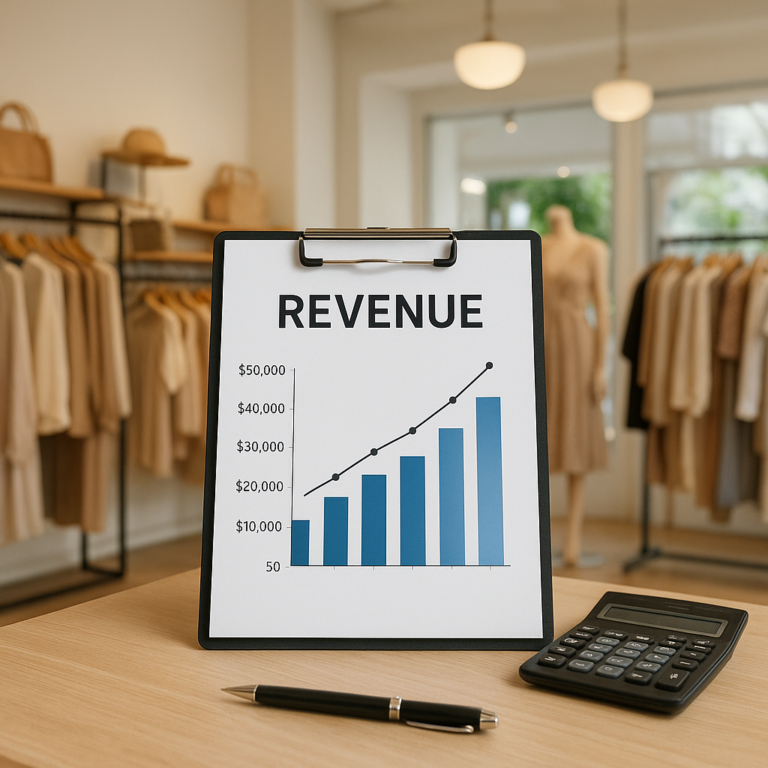
The Gender-Fluid Apparel Market is currently valued at approximately $3.2 billion (some reports cite $1.73B depending on the scope of “unisex” vs. “gender-fluid”). However, the future is bright. Projections by Business Research Insights suggest the market will surge to $61.96 billion by 2035.
That represents a Compound Annual Growth Rate (CAGR) of roughly 2.9% to 5.5% (depending on the specific segment), which is significantly higher than the traditional apparel market average.
Key Growth Drivers
Why is everyone rushing to the gender-neutral aisle?
- Demographic Shifts: With 3% of Gen Z identifying as something other than exclusively heterosexual, the market is responding to a massive, underserved demographic.
- Retail Efficiency: For brands, SKU reduction is a massive financial win. One design sold to everyone is cheaper to produce and market than two separate lines.
- Cultural Acceptance: As societal norms relax, the stigma around cross-gender dressing evaporates, opening up new revenue streams.
The “Unisex” vs. “Gender-Fluid” Distinction
It’s crucial to understand the nuance. Unisex often implies a “one-size-fits-all” (usually male-centric) approach. Gender-fluid is about intentional design that celebrates diversity in fit, cut, and aesthetic.
| Feature | Unisex (Traditional) | Gender-Fluid (Modern) |
|---|---|---|
| Design Philosophy | “Men’s cut, just smaller” | “Designed for all bodies” |
| Sizing | S, M, L (often limited range) | Inclusive, extended, AI-driven |
| Aesthetic | Neutral, often boring | Bold, expressive, versatile |
| Target Audience | Everyone (but often misses the mark) | Non-binary, Trans, Gender-Quer, Allies |
🌍 Global Shifts: Regional Insights into the Gender-Neutral Clothing Landscape
The gender-fluid revolution isn’t happening in a vacuum; it’s a global phenomenon with regional nuances that even the biggest brands are scrambling to understand. 🌍
North America: The Pioneer
The US and Canada are leading the charge. Cities like New York, Los Angeles, and Toronto have become hubs for gender-neutral boutiques. Major retailers like Target and Macy’s are experimenting with removing gender signage from aisles.
Europe: The Avant-Garde
Europe, particularly London, Paris, and Berlin, has a long history of androgynous fashion. Brands like Gucci (under Alessandro Michele) and H&M have launched dedicated gender-fluid capsules here first. The European market is more receptive to high-fashion experimentation.
Asia: The Emerging Giant
While traditional norms still hold strong in parts of Asia, markets like Japan and South Korea are seeing a surge in genderless fashion among youth. The “genderless kei” movement in Japan has influenced global trends, proving that cultural adaptation is key.
The Challenge of Cultural Nuance
As Deepwear notes, a fit that works in Bangkok might not work in Amsterdam. Successful brands are now using regional measurement databases to adjust their grading systems, ensuring that a “gender-fluid” shirt fits a diverse global population.
🧵 Market Segmentation Deep Dive: By Type, Application, and Consumer Demographics
Who is buying what? Let’s break down the market segmentation to see where the money is flowing. 💸
By Type: What’s Selling?
- Apparel: The biggest chunk. Think oversized hoodies, tailored trousers, and unstructured blazers.
- Footwear: A rapidly growing segment. Nik Kacy, a pioneer in this space, started because they couldn’t find shoes that fit their feet without gendered constraints.
- Accessories: Bags, jewelry, and hats are often the entry point for consumers dipping their toes into gender-fluid fashion.
By Application: Where is it Worn?
- Casual Wear: The dominant category. Comfort and versatility are king.
- Formal Wear: A growing niche. People want to look sharp at weddings and boardrooms without being boxed into “tuxedo” or “gown.”
- Athleisure: The ultimate gender-fluid category. Legings, jogers, and sports bras are increasingly marketed as universal.
By Consumer Demographics
- Gen Z: The primary drivers. They are digital natives who view gender as a spectrum.
- Millennials: Following closely, often seeking sustainable and versatile wardrobe staples.
- Gen Alpha: The next wave. They are growing up with no binary concepts at all.
🚀 The Engines of Change: Key Driving Factors Fueling the Unisex Clothing Boom
What’s pushing this market forward? It’s not just a whim; it’s a perfect storm of factors. ⚡
1. The Rise of Identity Politics
Fashion is a tool for identity expression. As people become more comfortable identifying outside the binary, the market must follow. “Fashion is a tool for identity expression, not reinforcement,” as one industry expert put it.
2. Sustainability and Efficiency
Let’s be real: Fast fashion is wasteful. Producing one garment that fits a wider range of bodies reduces overproduction and inventory waste. It’s a win for the planet and the bottom line.
3. Social Media Influence
Platforms like TikTok and Instagram have democratized fashion. Influencers like Alok Vaid-Menon and Hari Nef are showcasing gender-fluid looks to millions, normalizing the aesthetic and driving demand.
4. Corporate Inclusivity
Companies are realizing that inclusivity = profitability. Brands that embrace gender-fluid lines are seeing higher brand loyalty and positive PR. It’s a business strategy, not just a moral one.
🚧 Hurdles on the Runway: Restraints and Challenges in the Gender-Fluid Sector
It’s not all rainbows and oversized blazers. There are significant hurdles slowing down the full adoption of gender-fluid fashion. 🚧
The Sizing Conundrum
The biggest challenge? Fit. A “one-size-fits-all” approach often fails because bodies are diverse. Creating a truly inclusive sizing system requires expensive AI-driven fit tech and 3D body scanning, which many smaller brands can’t afford.
Retail Resistance
Many department stores still cling to the binary layout. “Men’s” and “Women’s” sections are deeply ingrained in retail infrastructure. Changing this requires a complete overhaul of merchandising strategies.
Consumer Confusion
Some consumers are still unsure how to shop. “Is this for me?” is a common question. Brands need to invest in education and clear communication to bridge this gap.
Manufacturing Limitations
Traditional manufacturing lines are set up for binary production. Retooling factories to handle modular construction and convertible designs is a massive logistical challenge.
🏆 Power Players: Top Brands Redefining the Genderless Fashion Industry
Who are the rockstars of the gender-fluid world? Let’s meet the brands that are leading the charge. 🌟
The Pioners
- Telfar: Famous for the “Shopping Bag,” Telfar is the definition of unisex luxury. Their slogan, “It’s not for you — it’s for everyone,” sums up their philosophy perfectly.
- Eckhaus Latta: Known for experimental cuts and inclusive casting, this brand pushes the boundaries of what fashion can be.
- The Phluid Project: A retail space and brand dedicated to gender-free fashion, offering a curated selection of inclusive pieces.
The Giants Adapting
- Zara: Launched its Ungendered line, focusing on oversized silhouettes and neutral palettes.
- ASOS & H&M: Both have released dedicated gender-fluid capsules, making inclusive fashion accessible to the masses.
- Levi’s: Their Wedgie and 501 lines are being reimagined with universal fits that flatter all body types.
- Nike: Launched Nike Unisex collections, focusing on performance wear that transcends gender.
- Gucci: Under creative direction, Gucci has embraced fluidity in its runway shows and collections.
The Niche Innovators
- Nik Kacy: As mentioned in the video summary, this brand was born from a personal need for gender-free luxury footwear. They are proving that specialized design can fill a massive gap in the market.
👉 Shop these brands on:
- Telfar: Amazon | Official Site
- Eckhaus Latta: Official Site
- ASOS Gender Neutral: Amazon | ASOS Official
- Nike Unisex: Amazon | Nike Official
📊 Competitive Landscape: Strategic Mergers, Acquisitions, and Industrial Developments
The race for the gender-fluid market is heating up, and big business is getting involved. 🏭
Mergers and Acquisitions
We are seeing legacy brands acquiring niche gender-fluid startups to gain instant credibility and access to new customer bases. It’s a classic “buy, don’t build” strategy.
Industrial Developments
Manufacturers are investing in flexible production lines that can handle modular construction. This allows for on-demand manufacturing, reducing waste and increasing customization.
Strategic Partnerships
Brands are partnering with tech companies to develop AI-driven fit tools. This is crucial for solving the sizing problem and ensuring that gender-fluid garments actually fit.
🛍️ The Consumer Mindset: Why Gen Z and Millennials Are Ditching the Binary
Why are young people so obsessed with gender-fluid fashion? It’s deeper than just style. 🧠
Rejection of Labels
Gen Z is the most diverse generation in history. They are rejecting the rigid labels of the past and embracing fluidity in all aspects of life, including fashion.
The Search for Authenticity
For many, gender-fluid fashion is a way to express their true selves. It’s about visibility and validation. As one consumer put it, “Finally, for the first time, they felt like they were walking in their own shoes.”
The Role of Community
Social media has created global communities of gender-fluid individuals. These communities share styling tips, brand recommendations, and support, creating a network effect that drives market growth.
🌈 Beyond the Label: The Psychological and Social Impact of Gender-Neutral Apparel
Fashion is more than fabric; it’s a psychological tool. 🧠
Empowerment and Confidence
Wearing clothes that align with your internal identity can boost confidence and self-esteem. It’s a form of self-care and self-advocacy.
Reducing Stigma
As gender-fluid fashion becomes more mainstream, it helps normalize non-binary identities. This can lead to reduced stigma and increased acceptance in society.
The “Walking in Your Own Shoes” Effect
The story of Nik Kacy highlights this perfectly. When you find clothes that fit your body and your identity, it’s a transformative experience. It’s not just about looking good; it’s about feling good.
🔮 Future Forecast: Predictions for the Gender-Fluid Market Through 2035
So, where are we headed? Let’s look into the crystal ball. 🔮
Mainstream Adoption
By 2035, gender-fluid fashion will likely be the norm, not the exception. The binary will be a historical footnote in the fashion industry.
Technological Integration
AI and AR will play a huge role. Imagine virtual try-ons that perfectly predict how a garment will fit your unique body shape, regardless of gender.
Sustainability Focus
The circular economy will be central to gender-fluid fashion. Rentals, resale, and upcycling will become standard practices.
Global Standardization
We will see a move towards global sizing standards that are truly inclusive, making it easier for brands to sell worldwide.
The “Unisex” Evolution
The term “unisex” may eventually be replaced by “human-centric” or “universal” design, reflecting a shift away from gender entirely.
💡 Quick Tips and Facts (Recap)
Just in case you missed the first round, here’s a quick recap of the must-knows:
- Market Size: Expected to hit $61.96 billion by 2035.
- Gen Z: 56% prefer gender-neutral options.
- Key Trend: Oversized silhouettes and modular designs.
- Challenge: Sizing remains the biggest hurdle.
- Oportunity: Sustainability and efficiency are driving growth.
🏁 Conclusion

We started this journey wondering if gender-fluid fashion was just a fleting trend or a permanent shift. The answer is clear: it’s a revolution. 🚀
From the historical roots of androgyny to the explosive growth projected for 2035, the evidence is overwhelming. The market is responding to a deep-seated human need for authentic self-expression. While challenges like sizing and retail infrastructure remain, the innovation and adaptability of the industry are remarkable.
Our Verdict:
If you’re a consumer, embrace the fluidity. Experiment with oversized cuts, neutral palettes, and modular designs. Your wardrobe should reflect who you are, not what society expects.
If you’re a brand, the time to act is now. Invest in inclusive design, flexible manufacturing, and authentic marketing. The future belongs to those who can transcend the binary.
Final Thought:
Remember the words of Nik Kacy: “Just because it has never been done before doesn’t mean that’s not how you do it.” The future of fashion is fluid, inclusive, and unapologetically you.
🔗 Recommended Links
Ready to upgrade your wardrobe with gender-fluid staples? Check out these top picks:
- Telfar Shopping Bag: Amazon | Official Site
- Eckhaus Latta Collection: Official Site
- ASOS Gender Neutral Capsule: ASOS Official
- Nike Unisex Apparel: Nike Official
- Levi’s 501 Original: Amazon | Levi’s Official
- Nik Kacy Footwear: Official Site
Books to Read:
- The Gender Creative Child by Diane Ehrensaft – Amazon
- Fashion and Gender by Joanne Entwistle – Amazon
❓ FAQ

What are the fastest growing segments in the gender fluid apparel market?
The footwear and accessories segments are seeing the fastest growth. While apparel is the largest category, shoes and bags are often the entry point for consumers exploring gender-fluid fashion due to their versatility and lower risk compared to full outfits.
Which clothing brands are leading the gender fluid fashion trend in 2024?
Telfar, Eckhaus Latta, and The Phluid Project are the pioneers. However, Zara, ASOS, H&M, Levi’s, Nike, and Gucci are rapidly catching up with dedicated gender-fluid capsules and inclusive sizing.
Read more about “35+ New Clothing Brands Emerging in Fashion (2026) 🚀”
How is consumer demand for gender neutral clothing changing globally?
Demand is skyrocketing, especially among Gen Z and Millennials. In North America and Europe, it’s becoming mainstream. In Asia, it’s emerging as a youth-driven movement. The shift is driven by identity politics, sustainability, and social media influence.
Read more about “Who Dominates the Clothing Industry in the World? Top 10 Brands Revealed! 👗 …”
What materials are most popular in sustainable gender fluid fashion?
Organic cotton, recycled polyester, Tencel, and hemp are top choices. These materials are versatile, durable, and eco-friendly, aligning with the sustainability values of the gender-fluid consumer.
Read more about “Gen Z Fashion: Unlocking Consumer Behavior 🔓 (2026)”
Will gender fluid apparel become a mainstream market standard by 2025?
While it won’t completely replace binary fashion by 2025, it will become a significant and standard part of the market. Many major retailers are already integrating gender-neutral sections, and the growth rate suggests it will be a dominant force within the next decade.
Read more about “Top 100 Clothing Brands in USA You Need to Know (2025) 🇺🇸”
How do gender fluid fashion trends differ between Gen Z and Millennials?
Gen Z is more likely to embrace bold, experimental looks and non-binary identities. Millennials often prefer versatile, minimalist pieces that can be mixed and matched with existing wardrobes. Both groups value inclusivity, but their styling approaches differ.
What are the key challenges facing the expansion of the gender neutral clothing industry?
The biggest challenges are sizing inconsistencies, retail infrastructure (binary layouts), manufacturing costs, and consumer education. Overcoming these requires technological innovation and cultural shifts.
How can consumers find the right fit in gender-fluid clothing?
Look for brands that offer detailed size charts, body scan technology, or virtual try-on tools. Reading user reviews and checking return policies is also crucial.
Is gender-fluid fashion only for non-binary people?
Absolutely not! Anyone can wear gender-fluid fashion. It’s about personal style and comfort, not identity labels.
Read more about “What Are the Shocking Statistics of the Fashion Industry? (2026) 👗”
📚 Reference Links
- Business Research Insights: Unisex Clothing Market Size, Share, Trends | Forecast To 2035
- Deepwear: How Gender-Neutral Fashion is Reshaping the Apparel Industry
- McKinsey & Company: The State of Fashion 2024
- Telfar: Official Website
- Eckhaus Latta: Official Website
- The Phluid Project: Official Website
- Nik Kacy: Official Website
- Zara: Ungendered Collection
- ASOS: Gender Neutral
- Levi’s: 501 Original
- Nike: Unisex Collection
- Gucci: Official Website