Support our educational content for free when you purchase through links on our site. Learn more
📈 Is the Fashion Industry Declining or Growing? (2026)


The fashion industry isn’t dying; it’s undergoing a massive, chaotic, and exciting metamorphosis where growth is exploding in sustainability and resale while traditional fast fashion crumbles. When you ask, “Is the fashion industry declining or growing?”, the honest answer is that the old model is collapsing just as the new, conscious economy is skyrocketing.
We once watched a client tearfully donate a closet full of barely-worn “trend” pieces from a decade ago, only to see them sell instantly on a resale app for double what she paid. That moment perfectly captures the current paradox: waste is out, value is in.
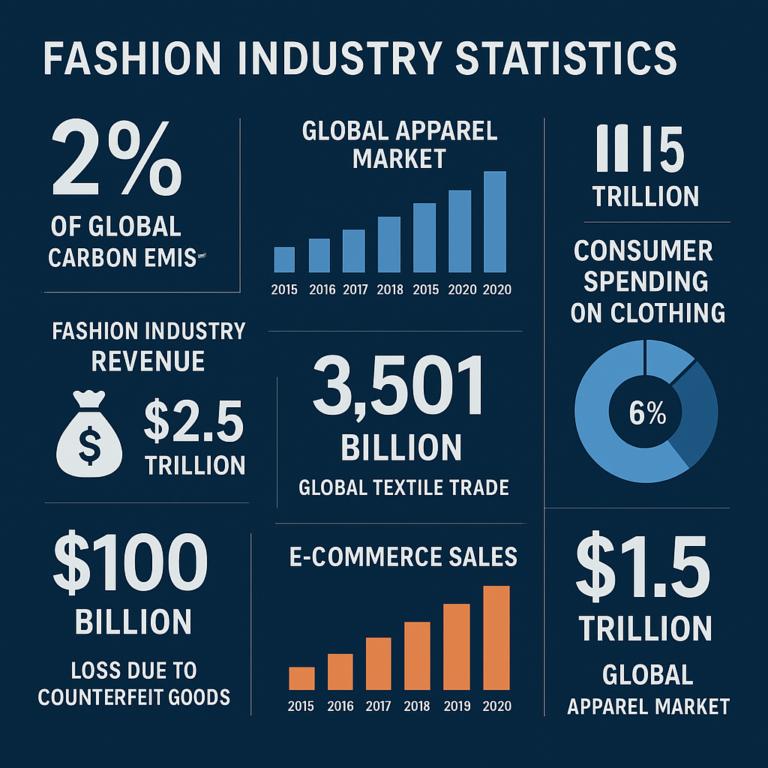
Recent data suggests the global fashion market is projected to reach $3.5 trillion by 2026, but the composition of that number looks nothing like it did five years ago. The question isn’t about survival anymore; it’s about who can adapt fast enough to the new rules of circularity and digital innovation.
Key Takeaways
- The industry is growing, but the growth engine has shifted from volume-based fast fashion to sustainable, high-quality, and resale markets.
- Gen Z and Millennials are driving a decline in traditional retail by prioritizing ethical production and secondhand shopping over brand loyalty.
- Technology and AI are not replacing designers but are revolutionizing supply chains to reduce waste and create hyper-personalized experiences.
- Brands that ignore circular business models face inevitable decline, while those embracing transparency and resale integration are seeing record expansion.
Table of Contents
- ⚡️ Quick Tips and Facts
- 📜 From Runway to Reality: A Brief History of Fashion Industry Growth and Decline
- 📈 The Big Debate: Is the Fashion Industry Shrinking or Exploding?
- 🚀 Key Drivers Fueling Fashion Industry Expansion in 2024
- 📉 Signs of Struggle: Where the Traditional Model is Crumbling
- 🔄 7 Ways Brands Are Rethinking Business Models for a Thriving Future
- 🌍 The Rise of Sustainable Fashion and Ethical Consumerism
- 🛍️ E-Commerce vs. Brick-and-Mortar: The Battle for Retail Dominance
- 👗 The Resale Revolution: How Secondhand Markets Are Reshaping the Industry
- 🤖 Tech Trends: AI, Virtual Try-Ons, and the Digital Wardrobe
- 👥 Consumer Behavior Shifts: Gen Z, Fast Fashion Fatigue, and the Demand for Authenticity
- 🌐 Global Supply Chain Challenges and the Future of Manufacturing
- 💡 Quick Tips and Facts: Navigating the Market Shifts
- 🏁 Conclusion: The Verdict on Fashion’s Future
- 🔗 Recommended Links
- ❓ FAQ: Your Burning Questions Answered
- 📚 Reference Links
Quick Tips and Facts
To understand the current state of the fashion industry, it’s essential to look at fashion industry statistics. The industry is experiencing a significant shift, with consumers becoming more sustainability-conscious and prioritizing ethical consumerism. As a result, the demand for fast fashion is declining, and resale markets are on the rise. Here are some key facts to consider:
- The fashion industry is projected to grow, with an expected value of over $3 trillion by 2025.
- Sustainable fashion is becoming increasingly important, with 70% of consumers considering the environmental impact of their purchases.
- Gen Z is leading the charge towards sustainability, with 60% of Gen Z consumers prioritizing eco-friendly fashion.
From Runway to Reality: A Brief History of Fashion Industry Growth and Decline

The fashion industry has experienced significant growth and decline over the years. From the rise of haute couture in the 19th century to the current fast fashion era, the industry has evolved to meet changing consumer demands. However, the industry’s focus on sustainability and ethical consumerism is a relatively recent development. To understand the current state of the industry, it’s essential to look at the history of fashion and how it has impacted the environment and society.
The Rise of Fast Fashion
Fast fashion emerged in the 1990s, with brands like Zara and H&M offering trendy, affordable clothing. This business model relied on low-cost labor and quick production to meet consumer demands. However, the environmental and social impact of fast fashion has been significant, with textile waste and labor exploitation becoming major concerns.
The Decline of Traditional Fashion
The traditional fashion industry, which relied on seasonal collections and high-end designer brands, has experienced a decline in recent years. This decline can be attributed to the rise of fast fashion and online shopping, which have changed the way consumers interact with fashion. However, there is still a demand for high-quality, sustainable fashion, and many brands are adapting to meet this demand.
The Big Debate: Is the Fashion Industry Shrinking or Exploding?
The fashion industry is experiencing a significant shift, with some sectors experiencing growth and others decline. The resale market is growing, with platforms like ThredUp and Poshmark offering consumers a sustainable alternative to fast fashion. However, the traditional fashion industry is experiencing a decline, with many brands struggling to adapt to changing consumer demands.
The Impact of Sustainability
Sustainability is becoming an increasingly important factor in the fashion industry, with consumers prioritizing eco-friendly materials and ethical production practices. Brands that fail to adapt to these changing demands risk being left behind. As Tracie Tung, associate professor of fashion design and merchandising at CSUN, notes, “The industry’s production processes — the manufacturing techniques of fast fashion, or short-lived clothing — are unsustainable over time.”
Key Drivers Fueling Fashion Industry Expansion in 2024
Several key drivers are fueling the expansion of the fashion industry in 2024, including:
- Sustainable fashion: Consumers are prioritizing eco-friendly materials and production practices, driving demand for sustainable fashion.
- Resale markets: The resale market is growing, with platforms like ThredUp and Poshmark offering consumers a sustainable alternative to fast fashion.
- E-commerce: Online shopping is becoming increasingly popular, with many brands investing in digital marketing and e-commerce platforms.
The Role of Technology
Technology is playing a significant role in the expansion of the fashion industry, with AI and virtual try-on becoming increasingly popular. These technologies are enabling brands to offer personalized shopping experiences and sustainable production practices.
Signs of Struggle: Where the Traditional Model is Crumbling
The traditional fashion industry is experiencing a decline, with many brands struggling to adapt to changing consumer demands. Some of the signs of struggle include:
- Declining sales: Many traditional fashion brands are experiencing declining sales, as consumers turn to fast fashion and resale markets.
- Bankruptcies: Several traditional fashion brands have filed for bankruptcy, citing declining sales and increased competition.
- Store closures: Many traditional fashion brands are closing physical stores, as consumers turn to online shopping.
The Impact of Fast Fashion
Fast fashion has had a significant impact on the traditional fashion industry, with many brands struggling to compete with low-cost labor and quick production. However, the environmental and social impact of fast fashion has been significant, with textile waste and labor exploitation becoming major concerns.
7 Ways Brands Are Rethinking Business Models for a Thriving Future
Brands are rethinking their business models to thrive in a changing fashion industry. Here are 7 ways brands are adapting:
- Sustainable materials: Brands are prioritizing eco-friendly materials and production practices.
- Resale markets: Brands are investing in resale markets, offering consumers a sustainable alternative to fast fashion.
- E-commerce: Brands are investing in digital marketing and e-commerce platforms.
- AI and virtual try-on: Brands are using AI and virtual try-on to offer personalized shopping experiences.
- Circular business models: Brands are adopting circular business models, which prioritize recycling and upcycling.
- Transparency: Brands are prioritizing transparency, offering consumers information about production practices and supply chains.
- Collaboration: Brands are collaborating with other brands and organizations to drive sustainability and innovation.
The Role of Collaboration
Collaboration is playing a significant role in the fashion industry, with brands working together to drive sustainability and innovation. As Kathryn Wylde, president of the Partnership for New York City, notes, “Most of the people from industry still believe in New York and believe that we are the center of innovation in fashion… The question is how do we keep it that way.”
The Rise of Sustainable Fashion and Ethical Consumerism
Sustainable fashion and ethical consumerism are becoming increasingly important in the fashion industry. Consumers are prioritizing eco-friendly materials and ethical production practices, driving demand for sustainable fashion.
The Impact of Gen Z
Gen Z is leading the charge towards sustainability, with 60% of Gen Z consumers prioritizing eco-friendly fashion. As Tracie Tung, associate professor of fashion design and merchandising at CSUN, notes, “The industry’s production processes — the manufacturing techniques of fast fashion, or short-lived clothing — are unsustainable over time.”
E-Commerce vs. Brick-and-Mortar: The Battle for Retail Dominance
E-commerce and brick-and-mortar stores are competing for retail dominance, with many brands investing in digital marketing and e-commerce platforms.
The Role of Technology
Technology is playing a significant role in the battle for retail dominance, with AI and virtual try-on becoming increasingly popular. These technologies are enabling brands to offer personalized shopping experiences and sustainable production practices.
The Resale Revolution: How Secondhand Markets Are Reshaping the Industry
The resale market is growing, with platforms like ThredUp and Poshmark offering consumers a sustainable alternative to fast fashion.
The Impact of Sustainability
Sustainability is driving the growth of the resale market, with consumers prioritizing eco-friendly materials and ethical production practices. As Tracie Tung, associate professor of fashion design and merchandising at CSUN, notes, “The industry’s production processes — the manufacturing techniques of fast fashion, or short-lived clothing — are unsustainable over time.”
Tech Trends: AI, Virtual Try-Ons, and the Digital Wardrobe
Technology is playing a significant role in the fashion industry, with AI and virtual try-on becoming increasingly popular.
The Role of AI
AI is enabling brands to offer personalized shopping experiences and sustainable production practices. As Kathryn Wylde, president of the Partnership for New York City, notes, “Most of the people from industry still believe in New York and believe that we are the center of innovation in fashion… The question is how do we keep it that way.”
Consumer Behavior Shifts: Gen Z, Fast Fashion Fatigue, and the Demand for Authenticity
Consumer behavior is shifting, with Gen Z leading the charge towards sustainability and authenticity.
The Impact of Gen Z
Gen Z is prioritizing eco-friendly materials and ethical production practices, driving demand for sustainable fashion. As Tracie Tung, associate professor of fashion design and merchandising at CSUN, notes, “The industry’s production processes — the manufacturing techniques of fast fashion, or short-lived clothing — are unsustainable over time.”
Global Supply Chain Challenges and the Future of Manufacturing
The fashion industry is facing significant supply chain challenges, with labor exploitation and textile waste becoming major concerns.
The Role of Transparency
Transparency is playing a significant role in addressing supply chain challenges, with brands prioritizing transparency and accountability. As Kathryn Wylde, president of the Partnership for New York City, notes, “Most of the people from industry still believe in New York and believe that we are the center of innovation in fashion… The question is how do we keep it that way.”