Support our educational content for free when you purchase through links on our site. Learn more
Can a Clothing


Brand Make You Rich? 🤑
Yes, a clothing brand can absolutely
make you rich, but it’s a journey that demands far more than just a great design idea – it requires relentless strategy, financial savvy, and an unshakeable understanding of your market. Forget the “rich wife era” fantasies; building a truly
wealthy fashion brand is about creating lasting value, not just fleeting trends. We’ve seen firsthand at Clothing Brands™ how dedication transforms a passion for apparel into a thriving, profitable enterprise.
One of our earliest clients, a young designer named Anya
, started her sustainable activewear brand with just a few hundred dollars and a sewing machine in her apartment. Everyone told her the market was too saturated, that she’d never compete with the big players. But Anya didn’t just design
beautiful leggings; she meticulously researched eco-friendly fabrics, built a passionate community on Instagram, and understood her profit margins down to the last stitch. Within five years, her brand was generating millions in revenue, proving that with the right approach, the
answer to “can a clothing brand make you rich” is a resounding yes.
The fashion industry is a beast, but it’s a beast that can be tamed by those who are prepared. It’s about understanding the grind
behind the glamour, and consistently applying proven business principles. Are you ready to trade the dream for a detailed plan?
Key Takeaways
- Niche is King: Trying to appeal to everyone means appealing to no one. **
Define your specific target audience** and cater to their unique needs and desires. - Story Sells: Beyond the garments, craft a compelling brand story that resonates emotionally with your customers and communicates your values.
- Quality
Over Quantity: Uncompromising quality and design build trust and foster long-term customer loyalty, reducing returns and increasing repeat purchases. - Systematic Marketing: Don’t rely on luck. Implement a consistent, data
-driven marketing system to reliably reach your audience and drive sales. - Financial Acumen is Crucial: Understand your costs, pricing, and cash flow from day one. Sound financial management is the bedrock of profitability
.
Table of Contents
- ⚡️ Quick Tips and Facts
- From Threadbare Dreams to Textile Tycoon: A Brief History of Fashion Fortunes
- The Glamour vs. The Grind: Can a Clothing Brand Really Make You Rich?
- Nailing Your Niche: Finding Your Fashion Tribe 🎯
- Crafting a Captivating Brand Story: More Than Just Clothes 📖
- Uncompromising Quality & Design: The Foundation of Loyalty ✨
- Mastering the Marketing Maze: Getting Seen & Heard 📣
- Supply Chain Savvy: From Sketch to Shelf Smoothly 📦
- Financial Finesse: Funding Your Fashion Empire 💰
- Market Mastery & Business Blueprint: Your Strategic Launchpad 🚀
- Design & Development: Bringing Visions to Life 🎨
- Sourcing & Production Powerhouse: Manufacturing Your Masterpiece 🏭
- E-commerce & Retail Realm: Where Your Brand Shines 🛍️
- Launch & Loudspeaker: Making Your Grand Entrance 🎉
- Scaling & Sustaining Success: Growing Your Global Footprint 📈
- Navigating the Style Storm: Common Pitfalls That Sink Fashion Brands
- The Hidden Costs Catastrophe: Budgeting Beyond the Basics 💸
- Quality Control Quagmires: Protecting Your Reputation 🛡️
- Marketing Misfires: When Your Message Misses the Mark 📉
- Trend Traps: Staying Relevant Without Chasing Every Fad 🔄
- Iconic Threads, Epic Tales: Real-Life Brands That Struck Gold (and How They Did It)
- The Digital Catwalk: Leveraging Social Media & Influencers for Explosive Growth 📱
- Green Threads, Golden Opportunities: The Rise of Sustainable & Ethical Fashion ♻️
- The Bottom Line Breakdown: Understanding Profitability in Apparel 📊
- Beyond the Seams: Diversifying Your Fashion Wealth 🌟
- Is the Fashion Fortune Worth the Fight? Our Expert Verdict 🏆
- Conclusion
- Recommended Links
- FAQ
- Reference Links
<
a id=”quick-tips-and-facts”>
⚡️ Quick Tips and Facts
So, you’re dreaming of launching a clothing brand and envisioning a life of luxury, right? We get it! The fashion world
glitters with stories of overnight successes and millionaire designers. But let’s get real for a moment: can a clothing brand truly make you rich? The short answer is yes, it can, but it’s far from a guaranteed runway
to riches. It’s more like a marathon in stilettos – exhilarating, challenging, and often painful, but with the potential for an incredible finish line.
Here at Clothing Brands™, we’ve seen countless brands rise and fall, and we
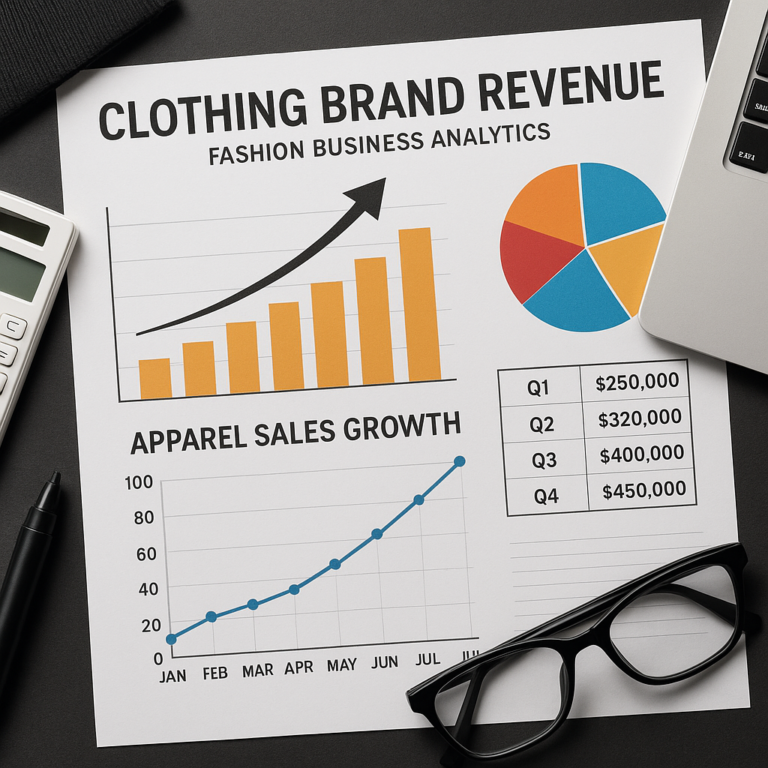
‘ve learned a thing or two about what separates the textile titans from the threadbare dreams. Did you know that the average revenue of a clothing brand can vary wildly, from a few thousand dollars to millions, depending on scale, niche, and strategy
? For a deeper dive into the numbers, check out our article on What is the average revenue of a clothing brand?.
Here are some quick facts to set the stage:
- High Failure Rate: The fashion industry is notoriously competitive. Many startups don’t make it past their first few years.
It’s a tough crowd! 🥊 - Passion Isn’t Enough: While passion is crucial, it needs to be paired with shrewd business acumen, relentless marketing, and a deep understanding of your customer.
“Rich” is Relative: For some, “rich” means a comfortable net worth, financial security, and the ability to be generous. For others, it’s about private jets and designer everything. We’ll
explore both perspectives.
- Financial Stress is Real: A significant majority of Americans, around 70%, report being stressed about their personal finances. Starting a business can amplify this if not managed carefully
. - Sustainability Sells: Consumers are increasingly prioritizing sustainably produced, durable apparel. This isn’t just a trend; it’s a growing market segment.
From Threadbare Dreams to Textile Tycoon: A Brief History of Fashion Fortunes

The story
of wealth in fashion is as old as the needle and thread itself. From the royal tailors of yesteryear to the global empires of today, clothing has always been more than just covering – it’s been a statement, a status symbol
, and a source of immense prosperity for those who master its craft and commerce.
Think about it: Levi Strauss, a German immigrant, struck gold (literally!) during the California Gold Rush, not by digging, but by selling durable
denim overalls to miners. His brand, Levi’s, became synonymous with American workwear and later, a global fashion icon. Talk about spotting a need and filling it! Then there’s Coco Chanel, who revolutionized women’s fashion
in the early 20th century, liberating women from corsets and creating timeless, elegant pieces that built an enduring luxury empire. Her vision wasn’t just about clothes; it was about a lifestyle.
Fast forward to the mid
-20th century, and designers like Christian Dior brought back haute couture with a vengeance, while Ralph Lauren built an aspirational lifestyle brand around classic American aesthetics. These weren’t just designers; they were vision
ary entrepreneurs who understood the power of branding, quality, and market positioning.
The late 20th and early 21st centuries ushered in the era of fast fashion, with giants like Zara and H&
M democratizing trends and creating unprecedented speed in the supply chain. Simultaneously, the rise of e-commerce and social media has leveled the playing field, allowing independent designers and small brands to reach global audiences without massive upfront investments. This shift
has opened new doors for aspiring fashion entrepreneurs, but also intensified the competition. The journey from a small workshop to a global brand has always required a blend of creativity, business savvy, and a touch of audacity.
The Glamour vs. The Grind: Can a Clothing Brand Really Make You Rich?
Ah
, the eternal question! We’ve all seen the glossy magazine spreads, the celebrity endorsements, the dazzling runway shows. The fashion industry certainly projects an image of effortless glamour and boundless wealth. But behind every perfectly draped garment and every viral social
media campaign lies a mountain of hard work, strategic decisions, and often, sleepless nights. So, can a clothing brand really make you rich?
From our vantage point at Clothing Brands™, we’d say yes, it
absolutely can, but it’s a journey paved with more grit than glitter. It’s not about finding a “rich wife brand” as suggested by some inaccessible social media posts, but about building a robust business
. The idea of “rich” itself is fascinating, isn’t it? For some, it’s about accumulating vast financial wealth, living a life of luxury, and never looking at a price tag. For others, as one insightful
perspective suggests, “wealthy minimalism is about empowerment,” finding peace, security, and the ability to be generous, rather than chasing endless consumption.
The reality of the fashion business is that it’s a high
-risk, high-reward endeavor. You’re competing with established giants, nimble startups, and a constantly shifting landscape of trends and consumer preferences. Profit margins can be notoriously thin, especially in the early stages. You’ll face challenges like
:
- Intense Competition: Everyone wants a piece of the fashion pie.
- High Startup Costs: Design, manufacturing, marketing – it all adds up.
- Supply Chain Complexities: Sourcing
, production, logistics can be a nightmare. - Marketing Demands: Getting your brand noticed in a crowded market requires constant effort and innovation.
- Trend Volatility: What’s hot today can be not tomorrow.
However
, for those who navigate these challenges with resilience and smart strategy, the rewards can be substantial. We’ve witnessed brands grow from garage operations to multi-million dollar enterprises. It takes more than just a good idea; it takes a systematic
approach to marketing, as highlighted in the first YouTube video embedded in this article [#featured-video]. Brands that achieve consistent sales, often in the range of $40k-$70k+ per month, do so through predictable systems
, not just hoping for viral moments.
So, while the glamour is certainly part of the appeal, the true path to wealth in fashion is through the grind: understanding your market, perfecting your product, and building a sustainable business model. Are
you ready to roll up your sleeves?
The Secret Sauce: Core Pillars of a Profitable
Apparel Business
Building a clothing brand that actually makes you rich isn’t about luck; it’s about laying down a solid foundation. Think of it like baking a perfect cake – you need the right ingredients, in the right proportions,
and a precise method. Here are the core pillars we’ve identified at Clothing Brands™ that are absolutely essential for turning your fashion dreams into a profitable reality.
Nailing Your Niche: Finding Your Fashion Tribe 🎯
This is where it all begins. Trying to appeal to everyone is a surefire way to appeal to no one. Your brand needs a specific voice
, a specific aesthetic, and a specific customer. Who are you designing for? What problems are you solving for them? What lifestyle are you enhancing?
- ✅ Focus: Are you creating sustainable activewear for eco-conscious yog
is? High-end, minimalist workwear for professional women? Vintage-inspired streetwear for Gen Z trendsetters? - ❌ Broad Strokes: Avoid generic “everyday wear” or “fashion for women.” It’s too vague
!
Why a niche matters:
-
Less Competition: You’re not fighting every brand on the planet.
-
Clearer Marketing: You know exactly who to talk to and where to find them.
-
Stronger Brand Loyalty: When you speak directly to a specific group, they feel seen and understood.
Consider brands like SKIMS, which initially carved out a massive market by focusing on inclusive shapewear and loungewear for a
diverse range of body types. Or Patagonia, which built its empire on durable outdoor gear for adventurers who value environmental stewardship. They didn’t try to be everything to everyone; they served their tribe exceptionally well. For more insights on identifying
your target market, check out our Clothing Brand Guides.
Crafting a Captivating Brand Story: More Than Just Clothes 📖
People don’t just buy clothes; they buy stories, values, and aspirations. What’s the narrative behind your brand? What
do you stand for? This isn’t just about your logo; it’s about the emotional connection you build with your customers.
-
Origin Story: Why did you start this brand? What problem did you want to solve?
-
Values: Are you committed to sustainability, ethical production, empowering artisans, or celebrating individuality?
-
Aspiration: How does wearing your brand make your customer feel? Confident? Comfortable? Stylish?
Take TOMS,
for example. Their “One for One” model, where a pair of shoes is donated for every pair sold, created a powerful, purpose-driven narrative that resonated deeply with consumers. Their story became their marketing. Your brand story should be
authentic, compelling, and consistent across all your touchpoints.
Uncompromising Quality & Design: The Foundation of Loyalty ✨
This
might sound obvious, but it’s often overlooked in the rush to market. Your product is your ultimate ambassador. If your clothes fall apart after a few washes, or the design is uninspired, customers won’t return, and
word-of-mouth will be your downfall.
- ✅ Durability: Invest in quality fabrics and construction. As one perspective wisely notes, consumers appreciate “sustainably produced, wear-it-forever merino wool and organic cotton cardigan
[s]” that provide lasting value. - ✅ Fit & Comfort: These are non-negotiables. Ill-fitting or uncomfortable clothes will quickly be discarded.
- ✅ Unique Aesthetic: While
trends are important, your brand needs a distinct design signature that sets it apart.
We’ve seen countless brands fail because they cut corners on quality to save a buck. It’s a false economy! Customers are savvier than ever,
and they expect value for their money. Building a reputation for quality takes time, but it’s the bedrock of long-term success and customer loyalty. For detailed comparisons on different brands’ quality, explore our Brand Quality Comparisons.
Mastering the Marketing Maze: Getting Seen & Heard
📣
Having an amazing product and a compelling story is fantastic, but if no one knows about it, you’re essentially shouting into the void. Marketing is the engine that drives your brand’s growth. And let’s be clear
: it needs to be a system, not a series of random acts of promotion.
As the first YouTube video in this article powerfully explains, there’s a “huge difference between a brand that gets one viral video every once in a while…
and a brand who’s able to reliably produce consistent results and sales for their brand.” [#featured-video] The secret? Developing and implementing a marketing “system” tailored to your specific target audience and resources.
Key elements
of a robust marketing system:
- Target Audience Identification: You must know who you’re talking to. What platforms do they use? What content do they consume?
- Resource Evaluation: Be realistic about your budget and
time. If funds are limited, focus on creative content and outbound strategies. - Channel Mapping: Where will you reach your audience? Instagram, TikTok, Pinterest, email, YouTube, paid ads?
- Experimentation & Testing
: Don’t just guess. Try different approaches on a small scale, analyze the results, and refine. - Process Systematization: Once something works, turn it into a repeatable process. This is how you achieve predictable, scalable results
.
Our stylists’ top marketing tips:
- Social Media Storytelling: Use platforms like Instagram and TikTok to showcase your brand’s lifestyle, behind-the-scenes glimpses, and customer testimonials. Engage with your community
! - Influencer Collaborations: Partner with micro- and macro-influencers whose audience aligns with your niche. This can be incredibly effective for building trust and reach. Find out more in our Brand Collaboration Highlights.
- Email Marketing: Build an email list from day one. It’s one of the most powerful tools for direct communication, sales, and loyalty
building. - Content Marketing: Blog posts, style guides, “how-to” videos – provide value to your audience beyond just selling clothes.
- Outbound Marketing: Don’t just wait for people to
find you. Actively engage with your target audience through comments and DMs, as suggested in the video. It can be surprisingly effective!
Remember, marketing is not one-size-fits-all. Your system will be unique to
your brand, but the principle of consistency and strategic execution remains universal.
Supply Chain Savvy: From Sketch to Shelf Smooth
ly 📦
The supply chain is the backbone of your clothing brand. It’s the intricate network that takes your design from a sketch to a wearable garment in your customer’s hands. Mess this up, and you’re looking
at delays, quality issues, and unhappy customers.
- Sourcing Materials: Where do your fabrics, trims, and notions come from? Are they high quality? Ethically sourced?
- Manufacturing Partners: Who will
cut and sew your garments? Are they reliable? Do they meet your quality standards? Do they adhere to ethical labor practices? - Logistics & Distribution: How will your finished products get from the factory to your warehouse, and then to your
customers?
Challenges to master:
- Ethical Sourcing: Consumers increasingly care about where and how their clothes are made. Transparency is key.
- Quality Control: Implementing strict quality checks at every stage of
production is vital to avoid costly returns and damage to your brand’s reputation. - Inventory Management: Too much inventory ties up capital; too little means missed sales. It’s a delicate balance!
We’ve seen brands
struggle immensely due to poor supply chain management. One of our clients, a promising streetwear brand, faced a massive setback when their initial manufacturer delivered a batch of t-shirts with inconsistent sizing. It cost them thousands in refunds and damaged their early
reputation. Learning from these mistakes is crucial. Dive deeper into this topic with our Brand Manufacturing Practices.
Financial Finesse: Funding Your Fashion Empire 💰
Let’s talk money, honey! You can have the most brilliant designs and the most compelling brand story, but without sound financial management, your
fashion empire will crumble. This isn’t just about having enough cash to start; it’s about understanding your costs, pricing for profit, and managing your cash flow.
- Startup Capital: How will you fund your initial production
run, marketing, and operational costs? Options include bootstrapping (self-funding), small business loans, crowdfunding, or seeking angel investors. - Cost of Goods Sold (COGS): This includes all direct costs associated with producing
your garments (fabric, labor, trims, shipping from manufacturer). - Operating Expenses: Rent, utilities, marketing, salaries, software subscriptions – these are your ongoing costs.
- Pricing Strategy: How will you price your products
to cover your costs, generate a profit, and remain competitive in your niche?
Our expert advice:
- Create a Detailed Budget: Know exactly where every dollar is going. Don’t underestimate hidden costs!
Understand Your Break-Even Point:** How many units do you need to sell just to cover your costs?
- Monitor Cash Flow: Keep a close eye on money coming in and going out. Cash flow is king!
Seek Financial Advice:** Don’t be afraid to consult with accountants or financial advisors who understand the apparel industry.
Many aspiring fashion entrepreneurs are incredibly creative but less confident with numbers. That’s okay! But it’s crucial to either
learn these skills yourself or partner with someone who excels at them. Financial security, as one source points out, provides a “cushion during job loss or medical emergencies” and the ability to help others. This
applies to your business too – a strong financial foundation provides resilience.
Your Runway to Riches: A Step-by-Step Blueprint for Building a Brand
Alright, you’ve got the secret sauce ingredients; now let’s get cooking! Building a successful clothing brand is a journey, not a sprint
. It requires methodical planning, consistent execution, and the ability to adapt. Here’s our step-by-step blueprint to guide you from concept to thriving enterprise.
1. Market Mastery & Business Blueprint: Your Strategic Launchpad 🚀
Before you even sketch your first design, you need to understand the landscape you’re entering. This is your strategic
groundwork.
- Market Research Deep Dive:
- Identify Your Target Audience: Who are they? What are their demographics (age, location, income), psychographics (values, lifestyle, interests), and buying habits? What are
their pain points that your brand can solve? - Competitor Analysis: Who are your direct and indirect competitors? What are they doing well? Where are their weaknesses? How can you differentiate your brand?
- Trend
Forecasting: While you don’t want to be a slave to trends, understanding current and emerging fashion movements can inform your designs and marketing. - Develop Your Unique Selling Proposition (USP): What makes your brand different and better than the rest
? Is it your sustainable materials, inclusive sizing, unique aesthetic, or compelling brand story? - Craft a Comprehensive Business Plan: This isn’t just a formality; it’s your roadmap. It should include:
Executive Summary: A concise overview of your brand.
- Company Description: Your mission, vision, and values.
- Market Analysis: Your research findings.
- Organization & Management: Your
team structure and legal entity (sole proprietorship, LLC, etc.). - Product Line: What you’ll sell.
- Marketing & Sales Strategy: How you’ll reach customers.
Financial Projections: Startup costs, revenue forecasts, profit and loss statements.
- Funding Request: If seeking external investment.
- Legal & IP Foundations: Register your business name, secure trademarks for your brand name
and logo, and understand any necessary permits or licenses.
This initial phase is critical. It’s where you define your identity and strategy, setting the stage for everything that follows. For more guidance on creating a robust business plan, explore
our Clothing Brand Guides.
2. Design &
Development: Bringing Visions to Life 🎨
Now for the fun part – bringing your creative vision to fruition! This is where your ideas take tangible form.
- Concept & Mood Boards: Start by gathering inspiration – colors, textures
, silhouettes, themes. Create visual boards that define the aesthetic of your collection. - Sketching & Technical Drawings: Translate your concepts into detailed sketches. For each garment, create a technical flat sketch (a precise, two-dimensional drawing) that shows all design details.
- Fabric & Trim Sourcing: Select your materials. This is crucial for quality, feel, and overall aesthetic. Consider sustainability, durability, and cost.
Pattern Making:** Professional patterns are essential for a good fit. You can hire a freelance pattern maker or use CAD software.
- Sampling & Prototyping:
- First Sample (Toile/Muslin): Often
made from inexpensive fabric to test the fit and silhouette. - Proto Sample: Made in your actual fabric, incorporating initial fit adjustments.
- Salesman Sample (SMS): A refined sample used for photography
, marketing, and showing to buyers. - Tech Packs: These are detailed instruction manuals for your manufacturer. They include technical flats, material specifications, colorways, sizing, stitching details, and measurement charts. A well-made
tech pack is non-negotiable for clear communication and quality control.
This iterative process of design, sampling, and refinement ensures your product meets your vision and quality standards. Don’t rush it!
3. Sourcing & Production Powerhouse: Manufacturing Your Masterpiece 🏭
This is where your designs transform into actual garments. Choosing the right manufacturing partner is one
of the most critical decisions you’ll make.
- Manufacturer Research & Selection:
- Domestic vs. Overseas: Consider lead times, minimum order quantities (MOQs), costs, communication, and ethical considerations.
Specialization: Does the factory specialize in your type of garment (e.g., knitwear, denim, activewear)?
-
References & Visits: Ask for references, and if possible, visit the factory to
assess their quality, working conditions, and capabilities. -
Negotiate & Contract: Clearly define terms, pricing, payment schedules, and quality control expectations in a written contract.
-
Minimum Order Quantities (MOQs): Be
aware of MOQs. Smaller brands often start with higher-priced, lower-MOQ manufacturers or consider print-on-demand services for initial runs. -
Pre-Production Samples (PPS): Before mass production, the
factory will send you a PPS for final approval. Inspect this meticulously! This is your last chance to catch errors. -
Production Run: Once the PPS is approved, full production begins. Regular communication with your manufacturer is key.
-
Quality Control (QC): Implement your own QC checks throughout the production process, not just at the end. This could involve third-party inspectors or your own team.
This stage is fraught with potential pitfalls, from communication
breakdowns to quality issues. Building strong relationships with reliable manufacturers is paramount. Learn more about best practices in our Brand Manufacturing Practices.
4. E-commerce & Retail Realm: Where Your Brand Shines 🛍️
Once your products are ready, you need a place to
sell them! This is your storefront, whether virtual or physical.
- Build Your E-commerce Store:
- Platform Choice: Shopify, WooCommerce, Squarespace, and BigCommerce are popular options. Choose one
that fits your technical comfort level, budget, and scalability needs. - Professional Photography: High-quality product photos are non-negotiable. Invest in professional photography that showcases your garments beautifully and accurately.
Compelling Product Descriptions:** Write engaging descriptions that highlight features, benefits, sizing, and your brand story.
- User Experience (UX): Ensure your website is easy to navigate, mobile-friendly, and provides a seamless shopping
experience. - Inventory Management System: Track your stock levels accurately to avoid overselling or running out of popular items.
- Shipping & Fulfillment Strategy:
- In-house: You pack and ship orders yourself
. - Third-Party Logistics (3PL): You outsource warehousing, packing, and shipping to a specialized company.
- Dropshipping: The manufacturer or supplier ships directly to the customer (less common for custom clothing brands).
- Payment Gateways: Set up secure payment processing (e.g., Stripe, PayPal, Shopify Payments).
- Consider Retail Partnerships (Optional): As you grow, you might explore selling through
boutiques, department stores, or pop-up shops. This requires different strategies for wholesale pricing and consignment.
Your online store is often the first impression customers have of your brand, so make it count!
5. Launch & Loudspeaker: Making Your Grand Entrance 🎉
The moment of truth! You’ve built it, now it’s time to tell the world. A
successful launch requires careful planning and a coordinated effort.
- Pre-Launch Buzz:
- Teaser Campaigns: Start building anticipation on social media weeks or months before launch.
- Email List Building: Offer
exclusive sneak peeks or early access to those who sign up for your email list. - Press Outreach: Send press releases or personalized pitches to fashion bloggers, influencers, and media outlets.
- Launch Day Strategy
: - Website Live: Ensure your e-commerce store is fully functional and ready for traffic.
- Social Media Blitz: Post across all your channels, announcing your launch.
- Email Blast
: Send a launch announcement to your subscribers. - Paid Advertising: Consider targeted ads on platforms like Instagram, Facebook, or Google to drive initial traffic.
- Post-Launch Engagement:
- Customer Service:
Be responsive to inquiries and feedback. - Reviews & Testimonials: Encourage customers to leave reviews and share their experiences.
- User-Generated Content: Repost customers wearing your clothes to build community and social
proof.
Remember the advice from the first YouTube video: consistent, systematic marketing is key. Don’t just launch and hope for the best; actively engage and promote your brand.
6. Scaling & Sustaining Success: Growing Your Global Footprint 📈
Congratulations, you’ve launched! But the journey to becoming “rich” doesn’t stop there. True
wealth comes from sustainable growth and strategic expansion.
-
Analyze Performance: Regularly review your sales data, website analytics, and marketing campaign results. What’s working? What isn’t?
-
Gather Customer Feedback: Listen
to your customers! Their insights are invaluable for improving products and services. -
Iterate & Innovate: Based on feedback and market trends, refine your existing products and develop new collections. Don’t rest on your laurels.
-
Expand Your Product Line: Once you have a loyal customer base, consider expanding into related categories (e.g., accessories, menswear, children’s wear).
-
Explore New Markets: Could your brand appeal to international
customers? Research global shipping, customs, and marketing strategies. -
Build Your Team: As you grow, you can’t do everything yourself. Hire talented individuals to help with design, marketing, operations, and customer service.
Strategic Partnerships: Collaborate with complementary brands or retailers to reach new audiences.
- Financial Reinvestment: Reinvest profits back into your business for growth, whether it’s for larger production runs, new marketing initiatives, or technological
upgrades.
Scaling requires a shift in mindset from simply surviving to strategically thriving. It’s about building systems and processes that allow your brand to grow efficiently and profitably.
Navigating the Style Storm: Common Pitfalls That Sink Fashion Brands
The path to fashion fortune is littered with the remnants of brands that didn’t quite make it. While the
allure of creating something beautiful is strong, the business side can be brutal. At Clothing Brands™, we’ve observed some recurring missteps that can quickly turn a promising venture into a cautionary tale. Let’s shine a light on these common pitfalls so you
can steer clear!
The Hidden Costs Catastrophe: Budgeting Beyond the Basics 💸
Many aspiring brand owners focus
solely on the cost of fabric and manufacturing, forgetting the myriad of other expenses that quickly add up. This is a classic trap!
- ❌ Underestimating Startup Capital: It’s not just production. Think about design software, website
development, professional photography, legal fees (trademarks!), initial marketing campaigns, packaging, and shipping supplies. These can easily double or triple your initial budget. - ❌ Ignoring Overhead: Rent for a studio or office, utilities
, internet, software subscriptions, insurance, accounting services – these are ongoing costs that eat into your profits. - ❌ Returns & Exchanges: The reality of e-commerce is that returns happen. You need to factor in the cost of return
shipping, processing, and potential lost sales. - ❌ Marketing & Advertising: This isn’t a one-time expense. Consistent marketing, as emphasized by the first YouTube video [#featured-video], requires an ongoing budget. Many
brands drastically underestimate how much they need to spend to get noticed.
Our advice: Create a contingency fund! Always budget for at least 20-30% more than you think you’ll need. Financial
peace comes from being prepared for the unexpected, not just covering the basics.
Quality Control
Quagmires: Protecting Your Reputation 🛡️
Your brand’s reputation is its most valuable asset. One bad batch of products can undo months or even years of hard work.
- ❌ Inconsistent Manufacturing: Rely
ing solely on a manufacturer’s word without your own checks is risky. Variations in sizing, stitching, color, or fabric quality can lead to customer dissatisfaction. - ❌ Poor Material Choices: Opting for cheaper materials to save money
often backfires. Customers expect durability, especially if you’re positioning your brand as offering lasting value, like a “wear-it-forever merino wool and organic cotton cardigan”. - ❌ Neg
lecting Customer Feedback: Ignoring complaints about quality issues is a death sentence. Customers will quickly take their business elsewhere and share their negative experiences online.
Remember: Every garment that leaves your hands is a reflection of your brand. Invest in robust quality
control processes, from fabric inspection to final garment checks. This is where you build trust and foster loyalty. For more on ensuring top-notch products, check out our Brand Quality Comparisons.
Marketing Misfires: When Your Message Misses the Mark
📉
You’ve got a great product, but if your marketing isn’t hitting home, it’s like whispering in a hurricane.
- ❌ Generic Messaging: If your marketing doesn’t clearly communicate your unique
selling proposition and brand story, you’ll blend into the background. - ❌ Wrong Audience, Wrong Channel: Trying to sell high-end formal wear on TikTok without a clear strategy, or targeting Gen Z with traditional print ads, is
a waste of resources. You need to know where your audience hangs out and how to speak their language. - ❌ Sporadic Efforts: As the first YouTube video emphasizes, relying on “one viral video every once in a while” won
‘t build a sustainable business. You need a consistent, systematic marketing approach to generate reliable sales [#featured-video]. - ❌ Ignoring Analytics: Launching campaigns without tracking their performance is like driving blindfolded. You need to know
what’s working and what isn’t to optimize your spend.
Our take: Marketing isn’t just about pretty pictures; it’s about strategic communication. Understand your customer deeply, craft messages that resonate, and consistently put
them where your audience will see them.
Trend Traps: Staying Relevant Without Chasing Every Fad
🔄
The fashion world is a whirlwind of trends, and it’s easy to get caught up in the hype. But blindly chasing every new fad can dilute your brand identity and lead to wasted inventory.
- ❌ Losing Brand
Identity: If your brand pivots with every passing trend, customers won’t know what you stand for. You’ll become forgettable. - ❌ Inventory Overload: Fast fashion brands thrive on rapid trend cycles, but for
smaller brands, investing heavily in fleeting trends can lead to unsold stock and financial losses. - ❌ Sacrificing Timelessness: While incorporating trends can keep your brand fresh, your core collection should ideally consist of versatile, long-lasting
pieces that transcend seasons.
The sweet spot: Understand trends, but filter them through your brand’s unique lens. Incorporate elements that align with your aesthetic and values, rather than completely overhauling your collections every few months. Focus
on creating pieces that offer lasting value, a concept championed by the idea of intentional consumption.
Iconic Threads, Epic Tales: Real-Life Brands That Struck Gold (and How They Did It)
It’s inspiring to hear about the challenges, but what
about the triumphs? Let’s dive into some real-life examples of clothing brands that didn’t just survive, but thrived, creating immense wealth and leaving an indelible mark on the fashion landscape. These stories aren’t just about luck; they’
re about vision, tenacity, and often, a brilliant understanding of their customer.
Zara: The Fast Fashion Phenomenon 🚀
- The Secret Sauce: Zara, part of the Inditex group, revolutionized the fashion
industry with its ultra-fast supply chain. While other brands took months to get designs from sketch to store, Zara could do it in a matter of weeks. - How They Struck Gold: They didn’t just
follow trends; they responded to them almost instantly. By having designers constantly monitoring fashion weeks and street style, and a highly integrated manufacturing and distribution network, Zara could produce small batches of trendy items, test market demand, and quickly
scale up production of popular pieces. This minimized waste and maximized responsiveness. - Key Takeaway: Speed and agility in the supply chain can be a massive competitive advantage, especially in a trend-driven industry.
Patagonia
: More Than Just Outdoor Gear 🏔️
- The Secret Sauce: Patagonia built its empire on uncompromising quality, durability, and a deep commitment to environmental activism. Their mission statement isn’t just words; it’s
woven into every product and business decision. - How They Struck Gold: They appealed to a specific niche – outdoor enthusiasts who valued performance and shared their environmental values. They encouraged customers to repair rather than replace their gear, even
offering repair services. This built incredible brand loyalty and trust. Their “Don’t Buy This Jacket” campaign, ironically, boosted sales by highlighting their anti-consumerist values. - Key Takeaway: A strong, authentic
brand mission and a commitment to sustainability and quality can resonate deeply with consumers and create a powerful, enduring brand.
SKIMS: Shaping the Future of Undergarments ✨
- The Secret Sauce: Founded by Kim Kardashian
, SKIMS tapped into an underserved market for inclusive shapewear and loungewear that catered to a wide range of body types and skin tones. - How They Struck Gold: They combined celebrity influence with a genuine
understanding of consumer needs. SKIMS focused on comfort, innovative fabrics, and a broad size and color range, directly addressing frustrations many women had with existing shapewear. Their direct-to-consumer (DTC) model allowed them to control
their brand message and customer experience. - Key Takeaway: Identifying and serving an underserved niche with a product that genuinely solves a problem, coupled with powerful marketing (especially through social media and influencer strategies), can lead to
explosive growth.
These brands, while vastly different in their approaches, share common threads: a clear vision, a deep understanding of their market, a commitment to quality (whether in speed or durability), and effective communication of their value proposition. They didn
‘t just sell clothes; they sold solutions, lifestyles, and values.
The Digital
Catwalk: Leveraging Social Media & Influencers for Explosive Growth 📱
In today’s hyper-connected world, your brand’s presence on social media isn’t just an option; it’s a necessity. It’s your
digital catwalk, your direct line to customers, and a powerful engine for explosive growth if used strategically. Forget the old guard of advertising; the new kings and queens of fashion marketing are ruling the digital realm.
Instagram: Your Visual Storyteller
📸
Instagram remains the visual heart of fashion. It’s where aesthetics reign supreme, and where your brand’s visual identity can truly shine.
- High-Quality Visuals: Invest in stunning product photography, lifestyle shots,
and engaging video content. Your feed should be a curated gallery that reflects your brand’s aesthetic. - Behind-the-Scenes: Show the human side of your brand – the design process, fabric sourcing, team members.
This builds authenticity and connection. - User-Generated Content (UGC): Encourage customers to share photos of themselves wearing your clothes. Reposting these creates social proof and fosters a sense of community. Brands like Re
formation excel at showcasing their customers. - Instagram Shopping: Utilize Instagram’s shopping features to make it easy for users to discover and purchase your products directly from the app.
TikTok: The Trendsetter’s Playground 🕺
💃
TikTok is where trends are born and go viral. Its short-form video format and powerful algorithm offer unparalleled reach, especially for younger demographics.
- Authenticity Over Perfection: TikTok thrives on raw, relatable content. Don’
t be afraid to be playful, educational, or even a little quirky. - Trend Participation: Jump on relevant TikTok trends, but always put your brand’s unique spin on them.
- Behind-the-Scenes
& “How It’s Made”: These types of videos perform exceptionally well, offering transparency and connecting with a curious audience. - Influencer Collaborations: Partner with TikTok creators whose style and audience align with your brand. Their
authentic recommendations can drive massive engagement and sales.
Influencer Marketing: The Power of Trust 🤝
Influencers are the modern-day tastemakers. Their recommendations carry weight with their followers, making them invaluable for brand awareness and sales
.
- Micro-Influencers: Don’t just chase mega-celebrities. Micro-influencers (10K-100K followers) often have highly engaged, niche audiences and can offer a better ROI
. - Authentic Partnerships: Seek out influencers who genuinely love your brand and whose personal style aligns with your aesthetic. Forced collaborations are easily spotted.
- Clear Briefs & Creative Freedom: Provide clear guidelines but allow influencers creative
freedom to present your products in a way that resonates with their audience. - Track Your ROI: Use unique discount codes or affiliate links to track the effectiveness of your influencer campaigns.
As the first YouTube video emphasizes, consistent, systematic marketing is
crucial, and this applies directly to your social media and influencer strategy [#featured-video]. It’s not about one viral post; it’s about building a continuous presence, engaging your audience, and converting that engagement into loyal customers.
For more on successful collaborations, check out our Brand Collaboration Highlights.
Green Threads, Golden Opportunities: The Rise of Sustainable & Ethical Fashion ♻️
The fashion industry has a dirty secret: it’s one of the most polluting
industries globally. But a powerful shift is underway, driven by increasingly conscious consumers who demand more than just style – they demand ethics and sustainability. This isn’t just a feel-good movement; it’s a golden opportunity for brands willing
to weave green threads into their very fabric.
Why Sustainability is No Longer Optional:
- Consumer Demand: A growing segment of consumers, particularly younger generations, are actively seeking out brands that prioritize environmental and social responsibility. They
want to know where their clothes come from, who made them, and what impact they have on the planet. - Environmental Impact: From water-intensive cotton farming to toxic dyes and microplastic pollution from synthetic fabrics, the industry
‘s footprint is immense. Brands that address these issues stand out. - Ethical Production: Concerns about sweatshops, unfair wages, and unsafe working conditions are pushing brands towards greater transparency and ethical manufacturing practices.
- Brand Reputation
: Being genuinely sustainable and ethical builds immense trust and loyalty. Conversely, “greenwashing” (falsely claiming to be sustainable) can severely damage a brand’s reputation.
Brands Leading the Charge:
- Everlane:
Known for its “Radical Transparency,” Everlane breaks down the true cost of each garment, from materials to labor, and shares factory information with customers. This builds trust and justifies their pricing. - Reformation: This brand has
built a cult following by offering stylish, on-trend clothing made from sustainable materials and with transparent manufacturing practices. They even track their environmental footprint for each garment. - Patagonia: As mentioned earlier, Patagonia has been a pioneer
in sustainable and ethical practices for decades, proving that you can build a highly profitable business while prioritizing the planet.
How Your Brand Can Embrace Green Opportunities:
- Sustainable Materials: Opt for organic cotton, recycled polyester, T
encel, linen, hemp, or innovative plant-based fabrics. - Ethical Manufacturing: Partner with factories that ensure fair wages, safe working conditions, and transparent supply chains. Consider certifications like Fair Trade.
Circular Economy Principles: Design for durability, encourage repair, and explore take-back programs or resale initiatives to keep garments out of landfills. The idea of a “wear-it-forever” garment resonates deeply with this principle.
- Reduced Waste: Minimize waste in design, cutting, and packaging.
- Transparency: Be open and honest about your sustainability journey, including your challenges and successes.
Embracing sustainable and ethical practices isn’
t just good for the planet; it’s good for business. It allows you to tap into a growing market, build a powerful brand story, and differentiate yourself in a crowded industry. It’s about creating wealth that’s not just financial
, but also contributes to a richer, more sustainable future.
The Bottom Line Breakdown: Understanding Profit
ability in Apparel 📊
Let’s get down to brass tacks: to make your clothing brand rich, you need to understand the numbers. Profitability isn’t a mystery; it’s a direct result of smart financial management,
strategic pricing, and efficient operations. Many creative entrepreneurs shy away from spreadsheets, but mastering these financial fundamentals is non-negotiable for long-term success.
Key Financial Metrics You MUST Track:
- Cost of Goods Sold (COGS): This is the direct cost of producing each item you sell. It includes:
- Fabric and trims
- Cutting and sewing labor
- Dyeing and finishing
- Packaging
(hang tags, poly bags) - Shipping from the manufacturer to your warehouse
- Why it matters: A low COGS means more room for profit.
- Gross Profit & Gross Margin:
- Gross Profit = Revenue – COGS
- Gross Margin (%) = (Gross Profit / Revenue) x 100
- Why it matters: This tells you how much profit
you make from each sale before accounting for operating expenses. A healthy gross margin (often 50-70% in apparel, depending on the business model) is crucial.
- Operating Expenses (OpEx): These
are your ongoing costs of running the business, not directly tied to producing each item.
- Marketing and advertising (social media ads, influencer fees)
- Website hosting and e-commerce platform fees (Shopify subscription)
- Salaries (if you have employees)
- Rent, utilities, insurance
- Shipping to customers
- Returns processing
- Why it matters: High OpEx can
quickly eat into your gross profit.
- Net Profit & Net Profit Margin:
- Net Profit = Gross Profit – Operating Expenses
- Net Profit Margin (%) = (Net Profit / Revenue)
x 100 - Why it matters: This is the ultimate indicator of your brand’s financial health – how much money you actually get to keep after all expenses.
Pricing for Profit,
Not Just Sales:
This is where many brands stumble. You can’t just price based on what competitors are doing or what you think customers will pay.
-
Cost-Plus Pricing: Calculate your COGS,
add your desired gross margin percentage, and then factor in operating expenses. -
Value-Based Pricing: If your brand offers unique value (e.g., exceptional quality, sustainable practices, exclusive design), you can command higher prices.
-
Competitive Pricing: Understand where your prices sit relative to your direct competitors in your niche.
-
Perceived Value: How do customers perceive the quality and exclusivity of your brand? This influences what they’re willing to pay.
Our Expert Tip: Don’t be afraid to price your products appropriately. Underpricing can signal low quality and make it impossible to cover your costs and invest in growth. Remember, “having lots of money doesn’t guarantee happiness,” but being
able to pay for necessary or meaningful things “is peaceful and satisfying”. This applies to your business too – financial stability allows you to operate peacefully and invest in your vision.
The Power of Efficient Operations:
Inventory Management: Overstocking ties up capital and leads to markdowns. Understocking means missed sales. Use data to forecast demand accurately.
- Supply Chain Optimization: Negotiate better deals with suppliers, streamline production processes
, and reduce shipping costs. - Marketing ROI: Track the return on investment for all your marketing efforts. Cut what’s not working and double down on what is.
Understanding these numbers and actively managing them is the difference
between a passion project and a truly profitable clothing brand. It’s the bedrock upon which you build your financial wealth.
Beyond the Seams: Diversifying Your Fashion Wealth 🌟
So, you’ve built a successful clothing brand, and the garments are flying off the digital shelves. Fantastic! But true wealth, and the kind of lasting legacy we often
talk about at Clothing Brands™, often comes from looking beyond just selling clothes. Diversifying your fashion wealth means leveraging your brand’s equity, audience, and expertise into new, complementary ventures. It’s about building an ecosystem around your core
product.
1. Accessories & Complementary Products: The Natural Extension 💍👜
This is often the most straightforward path to diversification. If your customers love your apparel, they’ll likely be interested in items that complete their look or enhance
their lifestyle.
- Jewelry: Simple, branded pieces that align with your aesthetic.
- Bags & Wallets: From tote bags to clutches, these can be high-margin items.
Footwear:** Depending on your brand’s style, shoes or sneakers can be a natural fit.
- Hats, Scarves, Belts: Smaller, more accessible price points that can boost average order value.
- Home
Goods: If your brand has a strong lifestyle component, consider candles, throws, or decorative items.
Example: Brands like Madewell started primarily with denim but successfully expanded into a full range of apparel, shoes, and accessories,
all maintaining their signature aesthetic.
2. Licensing Your Brand: Letting Others Do the Work 🤝
Once your brand has established significant recognition and trust, you can license your name, logo, or designs to other companies for use
on their products.
- Fragrances & Beauty: A common path for luxury and lifestyle brands.
- Eyewear: Sunglasses and optical frames.
- Home Furnishings: Bedding, towels, decor
. - Children’s Apparel: Leveraging your brand for a younger demographic.
Example: Calvin Klein has successfully licensed its name for everything from underwear and fragrances to home goods, generating substantial revenue without directly manufacturing these items
.
3. Content Creation & Media: Becoming a Lifestyle Hub ✍️🎥
Your brand isn’t just about products; it’s about a lifestyle and an aesthetic. You can monetize this through content.
Online Courses/Workshops: Teach design, styling, or sustainable fashion practices.
- Subscription Boxes: Curated fashion or lifestyle boxes.
- Digital Guides/E-books: Style guides, trend reports
, or behind-the-scenes insights. - Branded Media: A blog, podcast, or YouTube channel that provides value and subtly promotes your products.
Example: Many fashion influencers have successfully launched their own brands,
leveraging their content platforms to drive sales. Conversely, successful brands can become media houses themselves.
4. Retail Experiences & Pop-Ups: Connecting Offline 🏪
While e-commerce is powerful, physical experiences can deepen customer connection and open
new revenue streams.
- Flagship Stores: A permanent physical presence to showcase your brand’s full vision.
- Pop-Up Shops: Temporary retail spaces in high-traffic areas to test new markets or create
buzz. - Experiential Events: Fashion shows, styling workshops, or community gatherings that reinforce your brand’s values.
Example: Glossier, an online beauty brand, became famous for its highly Instagrammable physical
stores, creating a unique brand experience that complemented its e-commerce success.
Diversifying isn’t about chasing every shiny object. It’s about strategically expanding into areas that naturally align with your brand’s core identity and customer base.
It’s how you transform a successful clothing line into a multi-faceted empire, ensuring long-term wealth and influence far beyond the seams of your initial garments.
Is the Fashion Fortune Worth the Fight? Our Expert Verdict 🏆
After dissecting the glamour, the grind, the pitfalls, and the triumphs, we arrive at the ultimate
question: is building a clothing brand and chasing that fashion fortune truly worth the fight? From our collective experience as stylists and industry observers at Clothing Brands™, our resounding answer is: Absolutely, but only if you’re prepared for the battle
.
Let’s be candid: this isn’t a get-rich-quick scheme. If your sole motivation is to amass wealth without genuine passion, resilience, and a deep understanding of the business, you’re likely to find
yourself in the 70% of Americans stressed about their finances, perhaps even more so. The fashion industry will chew you up and spit you out if you’re not ready for its relentless pace and cutthroat competition.
However, for those who approach it with eyes wide open, with a strategic mind, and with an unwavering commitment to their vision, the rewards can be immense. And we’re not just talking about financial wealth, though that is certainly attainable
.
Here’s our confident recommendation:
- ✅ For the Passionate & Persistent: If you genuinely love fashion, have a unique vision, and are prepared for years of hard work, learning, and adapting, then yes,
the fight is worth it. The satisfaction of seeing your creative vision come to life, building a community around your brand, and making a tangible impact can be incredibly enriching, far beyond monetary gains. - ✅ For the Strategically Sav
vy: If you’re willing to dive into market research, understand your numbers, build robust supply chains, and implement systematic marketing strategies (remember that crucial advice from the first YouTube video? [#featured-video]), then you significantly increase your odds
of financial success. - ✅ For Those Who Define “Rich” Broadly: If your definition of “rich” includes financial security, the ability to be generous, peace of mind, and a life focused on meaningful pursuits,
as eloquently suggested by some perspectives, then a successful clothing brand can absolutely provide that. It’s about building a life of empowerment, not just endless luxury. - ❌ For the Faint of Heart or Un
prepared: If you’re looking for an easy path to millions, or if you’re unwilling to learn the business fundamentals, manage finances meticulously, and consistently market your brand, then this industry will likely lead to disappointment and financial strain.
The
journey of building a clothing brand is an entrepreneurial adventure like no other. It demands creativity, business acumen, and an iron will. It will test your limits, challenge your assumptions, and push you to grow in ways you never imagined. But for
those who embrace the grind, who learn from every setback, and who consistently deliver value and authenticity, the fashion fortune – in all its forms – is indeed a prize worth fighting for.
So, are you ready to step onto the digital catwalk
and claim your place? The stage is set, the spotlight awaits, but remember: it’s your system, your strategy, and your unwavering spirit that will truly make you rich.