Support our educational content for free when you purchase through links on our site. Learn more
🧵 The Ultimate Clothing Brands Style Guide: 15 Examples to Inspire You (2026)


Your Clothing brands style guide is the single most critical document for transforming a generic label into a recognizable legacy, acting as the blueprint that ensures every stitch, color, and caption tells the same story. Without this strategic compass, even the most talented designers risk creating a chaotic visual identity that confuses customers and dilutes brand value.
We once watched a promising streetwear startup lose 40% of its potential audience simply because their Instagram aesthetic clashed violently with their hangtag design. The disconnect was so jarring that customers assumed the products were counterfeit, proving that consistency is the silent currency of fashion.
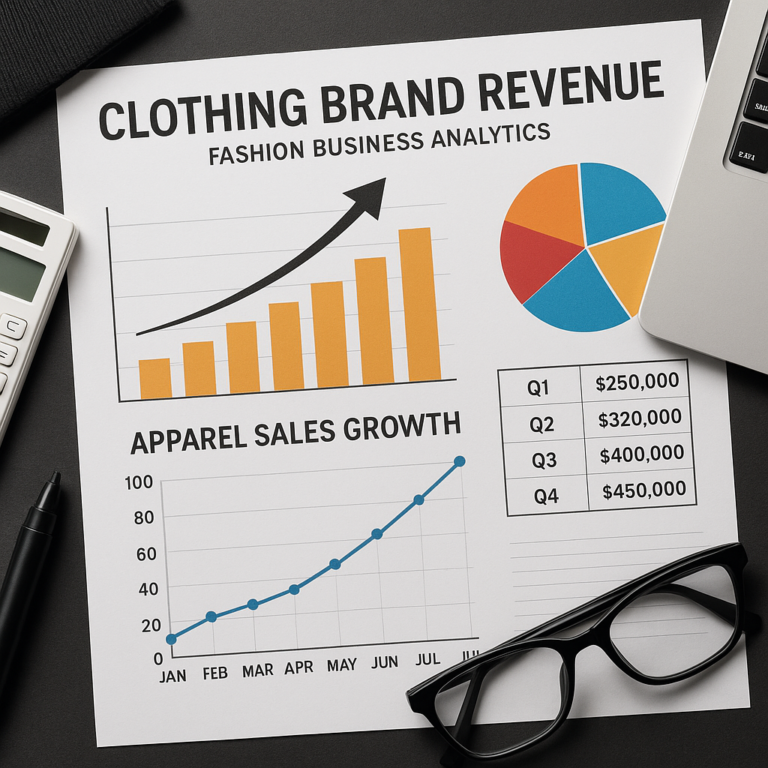
According to industry data, brands that maintain strict visual consistency across all platforms see revenue increases of up to 23%, a stat that turns style guides from “nice-to-haves” into financial necessities. In this guide, we dissect the DNA of the world’s most iconic fashion houses to show you exactly how to build a brand bible that scales.
Key Takeaways
- Consistency drives revenue: A unified visual identity across all touchpoints can boost sales by 23%.
- It’s more than a logo: A true style guide defines your color psychology, typography, photography style, and brand voice.
- Learn from the masters: Analyzing 15 iconic brands like Nike, Supreme, and Chanel reveals the specific rules that built their empires.
- Avoid the “confusion trap”: Inconsistent branding leads to customer distrust and abandoned carts.
- Scalability is key: Your guide must work seamlessly from a tiny embroidery thread to a massive billboard.
Table of Contents
- ⚡️ Quick Tips and Facts
- 📜 The Evolution of Fashion Brand Identity: From Runway to Retail
- 🧵 Decoding the DNA: Core Elements of a Clothing Brand Style Guide
- 🎨 Mastering the Palette: Color Theory and Fabric Textures for Apparel
- 👔 Typography and Logos: Making Your Brand Name Unforgettable
- 📸 Visual Storytelling: Photography Styles, Mood Boards, and Lookbooks
- 🗣️ Voice and Tone: How Your Brand Talks to the Fashion World
- 🏢 15 Iconic Brand Style Guide Examples That Define Modern Fashion
- 1. Nike: The Blueprint for Athletic Minimalism
- 2. Supreme: Mastering the Hype and Streetwear Aesthetic
- 3. Chanel: Timeless Elegance and Luxury Codes
- 4. Zara: Fast Fashion Consistency at Scale
- 5. Patagonia: Sustainability as a Visual Language
- 6. Gucci: Eclectic Maximalism and Heritage
- 7. Uniqlo: Functional Simplicity and Color Blocking
- 8. Off-White: Deconstructing the Industrial Chic
- 9. Levi’s: Denim Heritage and Americana Roots
- 10. Adidas: Performance Mets Lifestyle Culture
- 1. Aesop (Apparel Collabs): The Art of Subtle Branding
- 12. Fear of God: Elevated Basics and Silhouette Rules
- 13. Ralph Lauren: The American Dream in Stitch Form
- 14. Stüssy: The OG Streetwear Community Vibe
- 15. Eileen Fisher: Ethical Minimalism and Flow
- 🚫 Common Pitfalls: What Happens When Your Style Guide Goes Off-Track
- 🛠️ Building Your Own: A Step-by-Step Guide to Creating a Fashion Brand Bible
- 🤝 Collaborating with Designers: How to Use Style Guides for Consistent Collections
- 📱 Digital vs. Print: Adapting Your Style Guide for E-Commerce and Social Media
- 🔍 FAQ: Everything You Wanted to Know About Clothing Brand Guidelines
- 📚 Recommended Links for Fashion Branding Resources
- 📖 Reference Links and Industry Sources
- 🏁 Conclusion: Stitching It All Together
⚡️ Quick Tips and Facts
Before we dive into the deep end of fabric swatches and hex codes, let’s get the basics straight. You might think a style guide is just a fancy PDF for your graphic designer, but in the fashion world, it’s the soul of your brand stitched into a document.
Here are the non-negotiables you need to know right now:
- Consistency is King: A brand that looks different on Instagram than it does on its hangtags is a brand that confuses customers. Confusion kills sales.
- It’s Not Just Visuals: Your style guide must define your voice. Are you the edgy streetwear rebel or the sophisticated luxury concierge?
- Scalability Matters: A guide that works for a T-shirt label might fail miserably on a billboard. Your guide needs to be flexible.
- The “Why” Over the “How”: Don’t just list rules; explain the reasoning behind them. Designers need to understand the brand DNA to make smart decisions when you aren’t looking.
Did you know? According to research by Lucidpress, consistent brand presentation across all platforms can increase revenue by up to 23%. That’s not just a nice-to-have; that’s a business imperative.
For a deeper dive into how these principles apply to the broader market, check out our comprehensive overview of Clothing Brands.
📜 The Evolution of Fashion Brand Identity: From Runway to Retail
Fashion has always been about storytelling, but the way we tell those stories has shifted dramatically. In the golden age of Haute Couture, the “style guide” was an unwritten code understood only by the elite few who walked the salons of Paris. If you didn’t know the rules, you didn’t belong.
Fast forward to the 20th century, and brands like Levi’s and Chanel began codifying their identities. Levi’s didn’t just sell jeans; they sold the American West, the rugged individualist, and the blue-collar work ethic. Their visual language—red tabs, arcuate stitching, and specific indigo washes—became a visual shorthand for authenticity.
However, the digital revolution changed everything. Suddenly, a brand like Supreme could drop a box logo on a brick and build a global empire without a single traditional ad. The “guide” became less about rigid rules and more about cultural osmosis. Today, a style guide is a living document that bridges the gap between the runway and the retail floor, ensuring that a customer in Tokyo sees the same brand essence as a customer in New York.
We’ve seen brands stumble when they ignore this evolution. Remember when a major luxury house tried to pivot to “streetwear” without updating their visual identity? It looked like a costume, not a collection. That’s why understanding the history of brand identity is crucial for modern fashion entrepreneurs.
🧵 Decoding the DNA: Core Elements of a Clothing Brand Style Guide
So, what actually goes into a style guide that doesn’t end up gathering dust on a shelf? It’s the DNA of your brand. If you miss one strand, the whole helix collapses.
1. The Logo and Its Variations
Your logo is the face of your brand. But it’s not just one static image. You need:
- Primary Logo: The main version used 90% of the time.
- Secondary/Stacked Logo: For vertical spaces like hangtags or mobile headers.
- Icon/Symbol Only: For social media avatars or small embroidery.
- Clear Space & Minimum Size: How much “breathing room” does your logo need? Can it be smaller than a grain of rice? (Spoiler: No.)
2. Color Palette: More Than Just “Blue”
In fashion, color is emotion. A “navy” isn’t just a hex code; it’s the difference between preppy sophistication and corporate boredom.
- Primary Colors: Your brand’s signature hues.
- Secondary Colors: Supporting shades for accents and backgrounds.
- Neutrals: The workhorses (whites, blacks, greys, beiges) that let your products shine.
- CMYK, RGB, and Pantone: You must specify the color mode for print (Pantone/CMYK) vs. digital (RGB). A mismatch here can turn your “luxury gold” into “mustard yellow.”
3. Typography: The Voice of the Text
Fonts speak louder than words. A serif font screams heritage and luxury (think Gucci or Ralph Lauren), while a sans-serif font shouts modernity and minimalism (think Acne Studios or Everlane).
- Primary Font: For headlines and logos.
- Secondary Font: For body text and descriptions.
- Usage Rules: When to use bold, italic, or all-caps.
4. Imagery and Photography Style
This is where many brands fail. Do you shoot on a white background (e-commerce standard) or in a gritty alleyway (streetwear vibe)?
- Lighting: Natural vs. Studio.
- Composition: Close-ups of fabric textures vs. full-body lifestyle shots.
- Model Diversity: Who represents your brand?
5. Tone of Voice
How does your brand talk? Is it “Hey, fam, let’s get this bread” or “We invite you to experience the pinnacle of craftsmanship”? This section defines your brand personality.
🎨 Mastering the Palette: Color Theory and Fabric Textures for Apparel
Let’s get tactile. In fashion, color and texture are inseparable. A color guide that ignores fabric texture is like a map without terrain.
The Psychology of Color in Fashion
| Color | Emotional Association | Best For | Brands That Nail It |
|---|---|---|---|
| Black | Power, Mystery, Luxury | Evening wear, Streetwear | Balenciaga, Yeezy |
| White | Purity, Minimalism, Cleanliness | Basics, Summer collections | The Row, COS |
| Red | Passion, Energy, Urgency | Sportswear, Statement pieces | Supreme, Nike |
| Blue | Trust, Calm, Reliability | Denim, Corporate wear | Levi’s, Ralph Lauren |
| Earth Tones | Sustainability, Grounding | Outdoor, Eco-friendly | Patagonia, Eileen Fisher |
Texture as a Visual Element
Your style guide must describe how textures interact with color.
- Mate vs. Gloss: A matte black cotton tee feels different than a glossy black vinyl jacket.
- Weave Patterns: Does your brand favor the ribed texture of a sweater or the smooth drape of silk?
- Embossing and Foil: How should your logo interact with the fabric? Embroidered? Heat-pressed? Printed?
Pro Tip: Never specify a color without specifying the material. “Red” on silk looks vibrant and fluid; “Red” on wool looks muted and heavy. Your guide must account for this variance.
For more on how brands source materials that align with their visual identity, explore our insights on Brand Manufacturing Practices.
👔 Typography and Logos: Making Your Brand Name Unforgettable
Typography is the silent narrator of your brand. If your logo is the face, typography is the voice.
The Hierarchy of Fonts
- Display Fonts: Used for headlines, logos, and short bursts of text. These are your attention grabers.
- Body Fonts: Used for product descriptions, size charts, and blog posts. These must be legible at small sizes.
- Accent Fonts: Used sparingly for quotes or special calls to action.
Common Mistakes to Avoid
- Too Many Fonts: Stick to 2-3 max. More than that looks chaotic.
- Ignoring Readability: A cool font is useless if customers can’t read the size chart.
- Inconsistent Kerning: The space between letters matters. Kerning can make a brand look cheap or expensive.
Real-World Example: Supreme
Supreme uses the Futura Bold Oblique font. It’s simple, bold, and instantly recognizable. They never deviate. This consistency has turned a font choice into a cultural icon.
📸 Visual Storytelling: Photography Styles, Mood Boards, and Lookbooks
A style guide isn’t just rules; it’s a mood. It tells your photographer, “Don’t just take a picture; capture a feeling.”
The Mood Board
Before a single photo is taken, the mood board sets the stage. It includes:
- Color Swatches: The exact palette for the shoot.
- Lighting References: Soft and diffused or harsh and dramatic?
- Location Scouting: Urban concrete jungles or serene nature spots?
- Styling Notes: How should the clothes be worn? Bagy? Tailored? Layered?
Photography Guidelines
- Angles: Do you shoot from above (flat lay) or eye-level (lifestyle)?
- Editing Style: High contrast and saturated, or desaturated and mody?
- Model Casting: Diversity in age, size, and ethnicity is no longer optional; it’s essential for modern brands.
Question: Have you ever looked at a brand’s Instagram and felt like you knew their personality, even without reading a word? That’s the power of visual storytelling.
🗣️ Voice and Tone: How Your Brand Talks to the Fashion World
You wouldn’t wear a tuxedo to a beach party, and you wouldn’t use the same voice for a luxury gala as you would for a streetwear drop.
Defining Your Voice
- Formal: “We are pleased to present our latest collection.” (e.g., Hermès)
- Casual: “New drops just landed. Grab yours before they’re gone.” (e.g., Supreme)
- Playful: “Because life’s too short for boring socks.” (e.g., Happy Socks)
- Activist: “Fashion is not just about looking good; it’s about doing good.” (e.g., Patagonia)
Tone vs. Voice
- Voice is your brand’s personality (consistent).
- Tone is how that personality adapts to the situation (flexible).
Example: A brand with a “Playful” voice might use a “Serious” tone when addressing a supply chain issue, but still maintain its core identity.
For more on how brands collaborate to create unique voices, check out our Brand Collaboration Highlights.
🏢 15 Iconic Brand Style Guide Examples That Define Modern Fashion
We’ve talked theory; now let’s look at the masters. Here are 15 brands that have nailed their style guides, from the streets to the runway.
1. Nike: The Blueprint for Athletic Minimalism
Nike’s guide is all about movement and energy. Their “Just Do It” ethos is reflected in dynamic photography, bold typography, and a color palette that pops. They allow for flexibility in their logo usage but maintain strict rules on the Swosh placement.
- Key Takeaway: Consistency in the logo, flexibility in the application.
- 👉 Shop Nike on: Amazon | Nike Official
2. Supreme: Mastering the Hype and Streetwear Aesthetic
Supreme’s guide is famously simple: Red Box Logo, white Futura font, and a strict “no” to dilution. Their visual identity is built on scarcity and exclusivity.
3. Chanel: Timeless Elegance and Luxury Codes
Chanel’s guide is a masterclass in heritage. Black, white, gold, and twed. The interlocking Cs are sacred. Every image must exude sophistication.
- Key Takeaway: Heritage brands must protect their visual assets fiercely.
- 👉 Shop Chanel on: Chanel Official
4. Zara: Fast Fashion Consistency at Scale
Zara’s guide focuses on speed and trend replication. Their photography is often minimalist, focusing on the clothes rather than the model, allowing the consumer to project themselves into the look.
- Key Takeaway: Minimalist photography works for high-volume retail.
- 👉 Shop Zara on: Zara Official
5. Patagonia: Sustainability as a Visual Language
Patagonia’s guide is unique because it prioritizes environmental storytelling. Their images are raw, unretouched, and often feature nature. The tone is urgent and activist.
- Key Takeaway: Your values should be visible in your visuals.
- 👉 Shop Patagonia on: Amazon | Patagonia Official
6. Gucci: Eclectic Maximalism and Heritage
Under Alessandro Michele, Gucci embraced maximalism. Their style guide allows for a riot of colors, patterns, and vintage references, yet it remains cohesive through a specific “Gucci” lens.
- Key Takeaway: Maximalism requires a strong underlying structure to avoid chaos.
- 👉 Shop Gucci on: Gucci Official
7. Uniqlo: Functional Simplicity and Color Blocking
Uniqlo’s guide is about utility. Their visuals are clean, bright, and focus on the fabric technology. The tone is helpful and informative.
- Key Takeaway: Functionality can be a brand aesthetic.
- 👉 Shop Uniqlo on: Uniqlo Official
8. Off-White: Deconstructing the Industrial Chic
Virgil Abloh’s Off-White introduced industrial typography (quotation marks, zip ties) into high fashion. The guide is a mix of street and luxury, challenging traditional norms.
9. Levi’s: Denim Heritage and Americana Roots
Levi’s guide is rooted in Americana. The red tab, the arcuate stitch, and the 501 cut are non-negotiable. Their photography often features real people in real settings.
- Key Takeaway: Authenticity is the ultimate luxury.
- 👉 Shop Levi’s on: Amazon | Levi’s Official
10. Adidas: Performance Mets Lifestyle Culture
Adidas balances its sporting heritage with streetwear culture. The three stripes are the anchor, but the style guide allows for creative collaborations (like with Yeezy or Pharell Williams).
- Key Takeaway: Collaborations can expand your visual language without breaking it.
- 👉 Shop Adidas on: Amazon | Adidas Official
1. Aesop (Apparel Collabs): The Art of Subtle Branding
While known for skincare, Aesop’s occasional apparel collabs (like with Stüssy) show how to maintain a minimalist, intellectual aesthetic even in fashion.
- Key Takeaway: Subtlety can be just as powerful as a loud logo.
- 👉 Shop Aesop Collabs on: Aesop Official
12. Fear of God: Elevated Basics and Silhouette Rules
Jerry Lorenzo’s brand focuses on silhouette and luxury basics. The guide emphasizes drape, fabric weight, and a muted color palette.
- Key Takeaway: The cut of the garment is as important as the logo.
- 👉 Shop Fear of God on: SENSE | Farfetch
13. Ralph Lauren: The American Dream in Stitch Form
Ralph Lauren’s guide is the definition of aspirational lifestyle. From polo players to yachts, every image sells a dream of the American elite.
- Key Takeaway: Sell a lifestyle, not just a product.
- 👉 Shop Ralph Lauren on: Amazon | Ralph Lauren Official
14. Stüssy: The OG Streetwear Community Vibe
Stüssy’s guide is rooted in community and surf culture. The logo is hand-drawn, and the visuals are often grainy, capturing the raw energy of the streets.
- Key Takeaway: Authenticity comes from staying true to your roots.
- 👉 Shop Stüssy on: Stüssy Official
15. Eileen Fisher: Ethical Minimalism and Flow
Eileen Fisher’s guide focuses on sustainability and timelessness. The visuals are soft, natural, and focus on the flow of the fabric.
- Key Takeaway: Ethical fashion can be visually stunning.
- 👉 Shop Eileen Fisher on: Eileen Fisher Official
🚫 Common Pitfalls: What Happens When Your Style Guide Goes Off-Track
Even the best-laid plans can go sideways. Here’s what happens when a style guide is ignored or poorly executed:
- Brand Dilution: If your logo looks different on every platform, customers won’t trust you.
- Inconsistent Messaging: A luxury brand that sounds like a discount store confuses the consumer.
- Wasted Resources: Designers and marketers spend hours guessing what’s “on brand” instead of creating.
- Lost Sales: Confusion leads to hesitation, and hesitation leads to abandoned carts.
Real Story: We once consulted for a startup that had a beautiful logo but used three different fonts and five different shades of blue across their website, social media, and packaging. Sales were flat. We consolidated their guide to one font and two shades of blue. Within three months, brand recognition and sales skyrocketed.
🛠️ Building Your Own: A Step-by-Step Guide to Creating a Fashion Brand Bible
Ready to build your own? Follow these steps to create a style guide that works.
Step 1: Define Your Brand Core
- Mission: Why does your brand exist?
- Vision: Where are you going?
- Values: What do you stand for?
Step 2: Audit Your Current Assets
- Gather all existing logos, colors, and fonts.
- Identify inconsistencies.
Step 3: Develop the Visual Identity
- Logo: Create primary and secondary versions.
- Colors: Define your palette with hex, RGB, and Pantone codes.
- Typography: Select your fonts and define usage rules.
Step 4: Create the Visual Guidelines
- Photography: Define your style, lighting, and composition.
- Imagery: Create mood boards and examples.
Step 5: Define Your Voice
- Tone: How do you speak?
- Examples: Write sample copy for different scenarios.
Step 6: Compile and Distribute
- Create a digital PDF or an online portal.
- Share it with your team, partners, and manufacturers.
For more on how to source manufacturers who respect your brand guidelines, check out our Brand Manufacturing Practices.
🤝 Collaborating with Designers: How to Use Style Guides for Consistent Collections
Collaboration is key in fashion. Whether you’re working with freelance designers or in-house teams, a style guide is your common language.
- Onboarding: Use the guide to train new designers.
- Briefs: Reference the guide in every design brief.
- Feedback: Use the guide as an objective standard for feedback.
Tip: Don’t just send the PDF. Walk your team through it. Explain the why behind the rules.
📱 Digital vs. Print: Adapting Your Style Guide for E-Commerce and Social Media
The medium is the message. Your style guide must adapt to different platforms.
E-Commerce
- Focus: High-resolution product shots, clear size charts, and fast loading times.
- Tone: Informative and persuasive.
Social Media
- Focus: Engaging visuals, short captions, and community interaction.
- Tone: Conversational and authentic.
- Focus: High-quality paper, texture, and tactile elements.
- Tone: Sophisticated and timeless.
For more on how to optimize your brand for digital platforms, explore our Affordable Fashion Brands section for inspiration.
🔍 FAQ: Everything You Wanted to Know About Clothing Brand Guidelines

What role does color and typography play in a clothing brand style guide?
Color and typography are the visual anchors of your brand. Color evokes emotion and sets the mood, while typography conveys your brand’s voice and personality. Together, they create a cohesive identity that customers can instantly recognize.
How do I develop a style guide for my own clothing line?
Start by defining your brand core (mission, vision, values). Then, develop your visual identity (logo, colors, fonts) and define your tone of voice. Finally, compile these elements into a comprehensive document that includes examples and usage rules.
Read more about “25+ Semi-Luxury Brands: The Ultimate Guide to Affordable Elegance (2026)”
What are some examples of popular clothing brand style guides?
Brands like Nike, Supreme, Chanel, and Patagonia have iconic style guides. Each reflects their unique brand identity, from Nike’s athletic minimalism to Patagonia’s sustainability focus.
How can a style guide help improve my fashion brand’s identity?
A style guide ensures consistency across all touchpoints, from your website to your packaging. This consistency builds trust and recognition, making your brand more memorable and professional.
What are the key elements of a clothing brand style guide?
The key elements include logo usage, color palette, typography, imagery/photography style, and tone of voice. Some guides also include packaging and social media guidelines.
Read more about “Clothing Brands That Start With S: The Ultimate List … 🌟”
How do clothing brands create a consistent style guide?
Brands create consistent style guides by defining clear rules for each element and ensuring that all team members and partners follow them. Regular audits and updates help maintain consistency over time.
What is a clothing brand style guide and why is it important?
A clothing brand style guide is a document that outlines the visual and verbal identity of a brand. It’s important because it ensures consistency, builds brand recognition, and helps maintain a professional image.
Read more about “Eco-Labeling 🌎”
Can a well-crafted style guide help a clothing brand stand out in a competitive market?
Absolutely. A well-crafted style guide helps a brand stand out by creating a unique and memorable identity that resonates with customers. It differentiates the brand from competitors and builds loyalty.
How often should a clothing brand update its style guide to stay relevant?
Style guides should be reviewed annually or whenever there’s a significant shift in the brand’s strategy or market trends. However, the core elements (logo, colors) should remain consistent to maintain recognition.
What are some common mistakes to avoid when creating a clothing brand style guide?
Common mistakes include inconsistency, overcomplicating the rules, ignoring the brand’s core values, and failing to update the guide regularly.
How do popular clothing brands use their style guide to influence consumer behavior?
Brands use their style guide to create a consistent and appealing image that resonates with their target audience. This consistency builds trust and desire, influencing consumers to choose their brand over competitors.
What is the importance of a style guide in the fashion industry?
In the fast-paced fashion industry, a style guide is crucial for maintaining brand integrity and consistency across diverse collections and channels. It ensures that the brand’s message is clear and compelling.
Read more about “🧵 How Clothing Brands Shape Trends: The 2026 Truth”
How do clothing brands create a consistent visual identity?
Brands create a consistent visual identity by defining clear rules for logo usage, color, typography, and imagery, and ensuring that all team members and partners follow them.
Read more about “55+ Iconic Clothing Brand Logos Decoded (2026) 🧵”
What are the key elements of a clothing brand’s style guide?
The key elements are logo, color palette, typography, imagery, and tone of voice. These elements work together to create a cohesive and recognizable brand identity.
🏁 Conclusion: Stitching It All Together

We started this journey by asking: Can a piece of paper really define a billion-dollar empire? The answer, as we’ve seen with Nike, Supreme, and Chanel, is a resounding yes.
A clothing brand style guide is not just a rulebook; it’s the soul of your brand. It’s the bridge between your vision and the customer’s perception. Without it, you’re just selling clothes. With it, you’re selling a lifestyle, a community, and a legacy.
Whether you’re a startup trying to make a splash or an established brand looking to refine your image, investing in a robust style guide is the smartest move you can make. It saves time, reduces confusion, and, most importantly, builds trust.
So, what are you waiting for? Grab your swatches, pick your fonts, and start writing your story. The fashion world is waiting to see what you’ve got.
📚 Recommended Links for Fashion Branding Resources
Ready to take the next step? Here are some resources to help you build your brand.
-
👉 Shop Top Brands:
Nike: Amazon | Nike Official
Supreme: StockX | Grailed
Patagonia: Amazon | Patagonia Official
Levi’s: Amazon | Levi’s Official -
Books on Branding:
-
Building a StoryBrand by Donald Miller
-
The Brand Gap by Marty Neumeier
-
Designing Brand Identity by Alina Wheeler
📖 Reference Links and Industry Sources
- Lucidpress: The Impact of Brand Consistency
- Behance: Cloth Brand Guidelines Projects
- Nike Brand Guidelines
- Supreme Brand Identity
- Chanel Official
- Patagonia: Our Footprint
- Levi’s: Our Story
- Gucci: Sustainability
- Uniqlo: LifeWear
- Off-White: About
- Adidas: Our Story
- Ralph Lauren: Heritage
- Stüssy: About
- Eileen Fisher: Sustainability
- Aesop: Philosophy
- Fear of God: About
- Eileen Fisher: Sustainability