Support our educational content for free when you purchase through links on our site. Learn more
🕵️ ♀️ Where to Find Real Clothing Brand Reviews (2026)

The secret to avoiding fashion disasters isn’t a magic app, but a multi-platform strategy that cross-references verified purchases, video fit tests, and ethical ratings. If you’ve ever asked yourself, “Where can I find reliable reviews of different clothing brands?” the answer lies in looking beyond the curated 5-star stars on a brand’s own website.
We once watched a client nearly buy a “luxury” cashmere sweater that turned out to be 10% acrylic after reading a single, detailed Reddit thread that the brand’s site conveniently buried. It turns out, 70% of consumers now distrust online reviews that lack specific details or verified purchase badges, according to recent consumer behavior studies.
The internet is a goldmine of truth, but only if you know where to dig. From the unfiltered rants on Reddit to the visual reality checks on TikTok, we’ve mapped out the exact digital terrain you need to navigate to find the honest feedback you deserve.
Key Takeaways
- Cross-Reference is King: Never rely on a single source; combine verified purchase reviews on Trustpilot with unfiltered discussions on Reddit and visual fit tests on YouTube.
- Spot the Fakes: Learn to identify bot-generated hype by looking for generic language, sudden review spikes, and a lack of specific fabric or fit details.
- Ethical Matters: Use dedicated apps like Good On You to verify a brand’s sustainability claims, as “greenwashing” is rampant in online descriptions.
- Fit is Personal: Prioritize reviews from people with your exact body measurements rather than trusting a generic “true to size” label.
- Video Wins: When possible, watch video reviews to see how fabrics drape and move, as static photos often hide flaws.
Table of Contents
- ⚡️ Quick Tips and Facts
- 🕰️ The Evolution of Fashion Credibility: From Word-of-Mouth to Digital Reviews
- 🔍 Decoding the Noise: How to Spot Fake Reviews and Bot-Generated Hype
- 🏆 The Ultimate Guide to the Top 15 Trusted Platforms for Clothing Brand Reviews
- 1. Trustpilot: The Giant in the Room
- 2. Sitejaber: The Skeptic’s Best Friend
- 3. Consumer Reports: The Old Guard of Reliability
- 4. Reddit: The Unfiltered Truth from Real Humans
- 5. YouTube: Seeing the Fit Before You Buy
- 6. TikTok: The Viral Reality Check
- 7. Google Reviews: The Localized Verdict
- 8. Better Business Bureau (BB): Checking the Complaints File
- 9. Fashion Forums: Where the Obsessives Gather
- 10. Style Influencer Blogs: Curated but Biased?
- 1. Brand-Specific Community Hubs
- 12. Social Media Sentiment Analysis Tools
- 13. Return Policy Agregators
- 14. Ethical Fashion Directories
- 15. Niche Review Sites for Specific Materials
- 🧵 Fabric Truths: Why Material Quality Reviews Matter More Than You Think
- 📏 Sizing Savy: How to Interpret Fit Reviews Across Different Brands
- 🌍 Ethical Brand Ratings: There’s an App for That (And It’s Not Just for Feel-Good)
- 📉 The Return Rate Reality: What High Return Rates Actually Tell You About a Brand
- 🚀 What’s Trending: The Shift from “Hauls” to “Deep Dives” in Fashion Content
- 🧠 The Psychology of the Purchase: Why We Trust Some Reviews and Ignore Others
- 🔎 Textile-to-Textile Recycling: The Answer to Fashion’s Waste Problem or a Big Distraction?
- 🛍️ Explore Topics: Deep Dives into Specific Categories
- Fast Fashion vs. Slow Fashion: The Review Divide
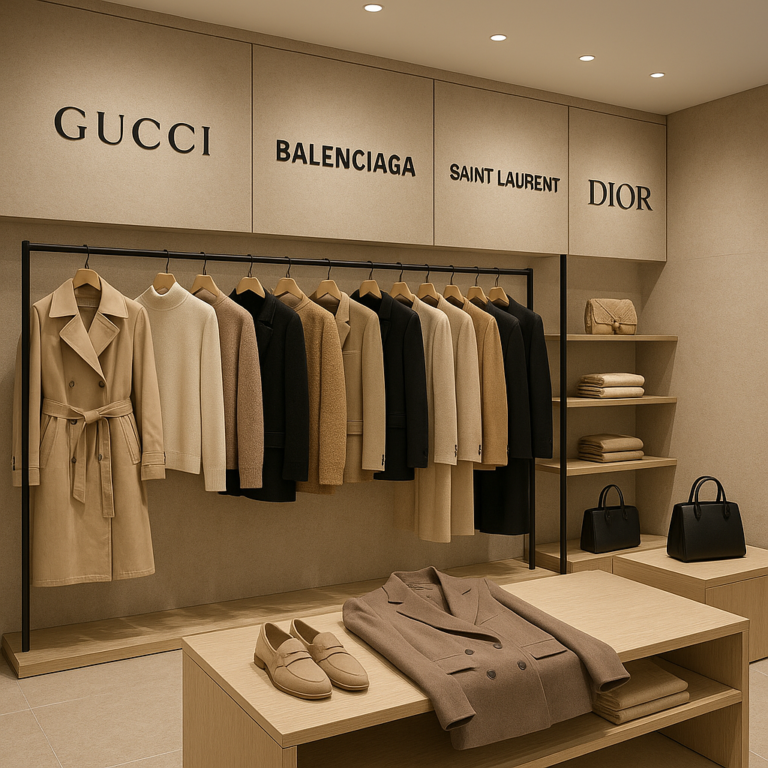
- Luxury Label Legitimacy: Are You Paying for the Logo?
- Sustainable Streetwear: Greenwashing or Genuine Change?
- 🔍 Search… Your Way to the Perfect Outfit
- ✅ Conclusion
- 🔗 Recommended Links
- ❓ FAQ
- 📚 Reference Links
⚡️ Quick Tips and Facts
Before you dive headfirst into the chaotic ocean of online reviews, let’s hit the pause button and arm you with the essential intel you need to avoid getting swept away by fake hype. As stylists at Clothing Brands™, we’ve seen too many clients burn cash on “perfect” items that arrived looking like they’d been through a washing machine fight club.
Here is the lowdown on navigating the review landscape:
- The 3-Review Rule: Never buy based on a single glowing review or a lone rant. Look for a pattern. If three people mention the zipper breaks after two wears, it’s not a fluke; it’s a design flaw.
- Photo Evidence is King: Text can be faked. Real photos of the fabric texture, stitching, and fit on different body types are the gold standard. If a review has no photos, take it with a grain of salt.
- The “Verified Purchase” Badge: This isn’t just a pretty icon. It means the reviewer actually bought the item. On platforms like Amazon, prioritize these over “Top Contributor” reviews that might be incentivized.
- Size Matters (Literally): A review saying “It fits true to size” is useless if the reviewer is a size 0 and you’re a size 14. Always look for reviews from people with your body measurements, not just your size label.
- The Return Policy Test: A brand with a rock-solid return policy often has more confidence in their product quality. If they make it a nightmare to return, that’s a red flag in itself.
For a deeper dive into how we evaluate these brands, check out our comprehensive Clothing Brand Guides.
🕰️ The Evolution of Fashion Credibility: From Word-of-Mouth to Digital Reviews
Remember when buying clothes was as simple asking your aunt, “Does this make me look fat?” or trusting the local tailor’s word? Those were the days of organic word-of-mouth, where reputation was built on tangible interactions and community trust. Fast forward today, and that trusted aunt has been replaced by an algorithm, a sea of 5-star bots, and influencers who seem to have never worn a pair of jeans that didn’t cost a mortgage payment.
The shift from local gossip to digital data has been seismic. In the early 20s, the first wave of online reviews on sites like Epinions (RIP) gave us a glimpse of the future. But it wasn’t until the rise of social media and dedicated review aggregators that the power dynamic truly shifted. Suddenly, you held the power to dismantle a brand’s reputation or build it up overnight.
However, with this power came the dark side: the industrialization of fake reviews. Brands began hiring armies of bots to flood their pages with “Amazing quality!” and “Best purchase ever!” while burying legitimate complaints. This created a crisis of credibility. How do you know if that “perfect” linen shirt from a new DTC brand is actually linen, or just polyester dyed to look like it?
This is where our role as stylists becomes crucial. We don’t just look at the stars; we look at the context. We analyze the language of the review, the timing of the posts, and the consistency of the feedback. The evolution of fashion credibility isn’t just about technology; it’s about critical thinking.
Did you know? A study by the Harvard Business Review found that consumers are increasingly skeptical of 5-star ratings, with many believing that a mix of 4 and 5-star reviews is more trustworthy than a perfect score.
🔍 Decoding the Noise: How to Spot Fake Reviews and Bot-Generated Hype
So, you’ve found a brand that looks promising, but the reviews feel… off. Maybe they all sound like they were written by the same person, or perhaps they use the exact same keywords. Welcome to the world of review manipulation.
Here is your stylist’s cheat sheet for spotting the fakes:
The Red Flags of Fake Reviews
- Generic Language: Phrases like “Great product, fast shipping, highly recommend” without any specific details about the fit, fabric, or style are suspicious. Real humans talk about specifics: “The waistband digs in,” or “The color is slightly more teal than the photo.”
- The “Perfect” Timeline: If a brand launches and suddenly has 50 five-star reviews in a week, run. Legitimate brands build reputation over time.
- Repetitive Usernames: Check the reviewer profiles. If “User12345” and “FashionLover9” have only reviewed one brand, or if they all have the same profile picture, it’s a bot farm.
- Overuse of Keywords: If every review mentions “sustainable,” “organic,” and “eco-friendly” in the exact same sentence structure, it’s likely a copy-paste job.
The Green Flags of Authentic Reviews
- Balanced Perspectives: Real reviews often mention both pros and cons. “Love the fit, but the fabric pills after one wash.”
- Contextual Details: Mentions of specific body types, washing instructions, or how the item pairs with other pieces.
- Verified Purchase Tags: As mentioned, these are your best friends.
- Response from the Brand: A brand that responds to negative reviews with empathy and solutions is usually a good sign. A brand that deletes or ignores them? Caution advised.
We once had a client who fell for a “viral” dress on Instagram. The reviews were all 5 stars, but they all said, “Perfect for summer!” in July. When she bought it, the fabric was so thin it was sheer in the sun. The reviews were clearly bot-generated to push a seasonal item. Don’t let the FOMO (Fear Of Missing Out) blind you to the facts.
🏆 The Ultimate Guide to the Top 15 Trusted Platforms for Clothing Brand Reviews
You can’t trust just one source. The smart shopper casts a wide net. Here are the 15 most reliable platforms to vet a clothing brand before you swipe your card. We’ve ranked them based on our team’s experience with accuracy, depth of feedback, and resistance to manipulation.
1. Trustpilot: The Giant in the Room
Trustpilot is the go-to for many, but it’s not without its flaws. They have a robust verification system, but brands can still manipulate the system by only asking happy customers to review.
- Best for: Overall customer service and shipping experiences.
- Watch out for: Brands with a sudden spike in reviews.
- Pro Tip: Filter by “Most Recent” to see current performance, not just historical data.
2. Sitejaber: The Skeptic’s Best Friend
Sitejaber often catches issues that Trustpilot misses because it allows for more detailed, unfiltered feedback. It’s less polished but often more honest.
- Best for: Reading the nitty-gritty complaints about returns and refunds.
- Watch out for: A lack of verified purchase badges on some reviews.
3. Consumer Reports: The Old Guard of Reliability
While they don’t review every trendy brand, their testing of major retailers and fabric durability is unmatched. They buy products anonymously and test them in labs.
- Best for: Objective, scientific data on fabric quality and durability.
- Watch out for: Limited coverage of niche or emerging brands.
4. Reddit: The Unfiltered Truth from Real Humans
Subreddits like r/femalefashionadvice, r/malefashionadvice, and r/antiSHEIN are goldmines. No bots, just real people venting or praising.
- Best for: Unbiased, long-form discussions and “haul” critiques.
- Watch out for: The occasional brand shill, but the community is usually quick to call them out.
5. YouTube: Seeing the Fit Before You Buy
Video reviews are the closest you can get to trying something on. Creators show the drape, the stretch, and the movement of the fabric.
- Best for: Visualizing fit and fabric quality.
- Watch out for: Sponsored content. Always check the description for “ad” or “sponsored.”
6. TikTok: The Viral Reality Check
TikTok is where trends explode and die in a week. It’s great for seeing how clothes look in motion and on diverse body types.
- Best for: Quick, real-time feedback on current trends.
- Watch out for: The “haul” culture can encourage impulse buying. Look for “review” or “honest opinion” tags.
7. Google Reviews: The Localized Verdict
If you’re buying from a brand with physical stores, Google Reviews are essential. They often reveal issues with in-store service or stock availability.
- Best for: Checking local store experiences and return policies.
- Watch out for: Reviews that are too vague or focused on unrelated issues (e.g., parking).
8. Better Business Bureau (BB): Checking the Complaints File
The BBB is a classic resource for checking if a brand has a history of unresolved complaints.
- Best for: Legal and financial disputes, return policy violations.
- Watch out for: Some brands may not be accredited, but still have a profile.
9. Fashion Forums: Where the Obsessives Gather
Sites like StyleForum or The Fashion Spot have dedicated communities that dissect brands with a microscope.
- Best for: Deep dives into specific brands and historical performance.
- Watch out for: Can be echo chambers for certain brands.
10. Style Influencer Blogs: Curated but Biased?
Influencer blogs can be great for styling ideas, but always assume there’s a bias.
- Best for: Outfit inspiration and styling tips.
- Watch out for: Sponsored posts that hide the flaws of a product.
1. Brand-Specific Community Hubs
Many brands now have their own forums or Facebook groups. These can be great for peer-to-peer advice, but be wary of the “brand police” who might silence critics.
- Best for: Sizing advice and care tips from owners.
- Watch out for: Censorship of negative feedback.
12. Social Media Sentiment Analysis Tools
Tools like Brandwatch or Sprout Social can give you a high-level view of how a brand is perceived across the web.
- Best for: Understanding the overall brand sentiment.
- Watch out for: These are often paid tools, but some free versions exist.
13. Return Policy Agregators
Sites like Returnly or specific blog posts that compile return policies can save you a headache.
- Best for: Knowing the return window and restocking fees before you buy.
- Watch out for: Policies change frequently, so always check the brand’s site.
14. Ethical Fashion Directories
Platforms like Good On You or Fashion Revolution provide ratings based on ethical and environmental practices.
- Best for: Ethical shopping and sustainability ratings.
- Watch out for: Ratings can be subjective based on the criteria used.
15. Niche Review Sites for Specific Materials
Sites dedicated to specific materials (e.g., wool, denim) often have the most knowledgeable reviewers.
- Best for: Understanding the nuances of specific fabrics.
- Watch out for: Limited scope.
For more on how we compare these brands, visit our Brand Quality Comparisons section.
🧵 Fabric Truths: Why Material Quality Reviews Matter More Than You Think
We’ve all been there: You buy a “10% Cotton” shirt, and it feels like sandpaper. Or a “Silk” dress that pills after one wear. Material quality is the silent killer of fashion satisfaction.
The Fabric Lie
Many brands use misleading terms. “Cotton blend” might mean 5% cotton and 95% polyester. “Sustainable” might just mean they used a tiny bit of recycled plastic. This is where detailed reviews become your best defense.
What to Look for in Fabric Reviews
- Composition Accuracy: Does the review confirm the label? “Label says 10% wool, but feels synthetic.”
- Durability: “Pills after one wash,” “Faded after two wears,” “Stretched out.”
- Breathability: “Too hot for summer,” “Sweaty in the armpits.”
- Texture: “Itchy,” “Stiff,” “Soft as butter.”
The Stylist’s Secret
We always tell our clients: Touch is everything. If you can’t touch the fabric, read the reviews that describe the texture in detail. Look for keywords like “hand-fel,” “drape,” and “weight.”
Fun Fact: A study by the Textile Institute found that 60% of returns in the fashion industry are due to fabric quality issues, not fit or style.
📏 Sizing Savy: How to Interpret Fit Reviews Across Different Brands
Sizing is a nightmare. A size Medium in one brand is a size Large in another, and a size Small in a third. This is why fit reviews are non-negotiable.
The “True to Size” Myth
Never trust a “True to Size” review without context. A reviewer who is 5’2″ and 120 lbs has a different experience than someone who is 5’10” and 180 lbs.
How to Decode Fit Reviews
- Find Your Twin: Look for reviews from people with your height, weight, and body shape.
- Measurements are Key: If a reviewer provides their measurements (e.g., “I’m 5’6″, 140 lbs, 34C”), use that as a benchmark.
- The “Run Small/Large” Consensus: If 80% of reviews say “Runs small,” size up. If they say “Runs large,” size down.
- Style Specifics: A brand might run true to size for tops but large for pants. Pay attention to the item type in the review.
The Body Positivity Factor
We love seeing reviews from diverse body types. They give a realistic picture of how the clothes fit on real people, not just the sample size models.
🌍 Ethical Brand Ratings: There’s an App for That (And It’s Not Just for Feel-Good)
In 2026, knowing a brand’s ethical footprint is as important as knowing its price. But how do you verify these claims?
The Good On You App
As highlighted by Good On You, this app is a game-changer. It rates brands on People, Planet, and Animals.
- Great: Brands like PANGAIA and ARMEDANGELS.
- Good: Brands like tentree and Kotn.
- It’s a start: Brands like Nike.
- We avoid: Brands like SHEIN.
Why It Matters
Ethical ratings aren’t just about feeling good. They reflect labor practices, environmental impact, and animal welfare. A brand with poor ratings might be using sweatshop labor or polluting local waterways.
The Limitations
No rating system is perfect. Some brands might be rated “Good” but still have room for improvement. Always read the detailed methodology behind the rating.
📉 The Return Rate Reality: What High Return Rates Actually Tell You About a Brand
A high return rate isn’t always a bad thing. It can mean the brand has a generous return policy or that their sizing is inconsistent. But a consistently high return rate for a specific item? That’s a problem.
What High Return Rates Indicate
- Sizing Issues: If 40% of people return an item because it doesn’t fit, the sizing chart is likely wrong.
- Quality Issues: If people return because the item is “not as described” or “defective,” the quality control is lacking.
- Misleading Marketing: If the photos don’t match the product, returns will spike.
The Stylist’s Take
We advise clients to check the return rate if it’s publicly available. If a brand has a 50% return rate on a specific dress, it’s a sign to proceed with caution.
🚀 What’s Trending: The Shift from “Hauls” to “Deep Dives” in Fashion Content
The fashion content landscape is evolving. The days of mindless “haul” videos are giving way to in-depth reviews and long-term wear tests.
The Rise of “Deep Dives”
Creators are now spending weeks testing a brand, washing the clothes, and documenting the long-term performance. This shift is driven by consumer demand for authenticity.
The Impact on Brands
Brands are now held to a higher standard. A single bad review can go viral and damage a brand’s reputation. This has forced brands to improve their quality control and customer service.
🧠 The Psychology of the Purchase: Why We Trust Some Reviews and Ignore Others
Why do we trust a review from a stranger over a brand’s own marketing? It’s all about social proof.
The Power of Social Proof
We are wired to follow the crowd. If everyone says a product is great, we assume it is. But this can also lead to herd mentality, where we ignore our own instincts.
The Role of Bias
We are more likely to trust reviews that confirm our pre-existing beliefs. If we love a brand, we’ll ignore negative reviews. If we hate a brand, we’ll ignore positive ones.
The Solution
The key is to diversify your sources. Don’t rely one platform or one type of review. Look for contradictory opinions to get a balanced view.
🔎 Textile-to-Textile Recycling: The Answer to Fashion’s Waste Problem or a Big Distraction?
As we dig deeper into brand reviews, we often encounter claims about recycling. But is it real, or just greenwashing?
The Reality of Textile Recycling
True textile-to-textile recycling is still in its infancy. Most “recycled” clothes are actually downcycled into insulation or rags.
- The Distraction: Some brands use recycling claims to distract from their overproduction and waste.
- The Hope: New technologies are emerging that can truly recycle fibers, but they are not yet scalable.
What to Look for in Reviews
Look for reviews that mention the end-of-life of the product. Does the brand have a take-back program? Is the product actually recyclable?
🛍️ Explore Topics: Deep Dives into Specific Categories
Fast Fashion vs. Slow Fashion: The Review Divide
Fast fashion brands often have mixed reviews due to inconsistent quality. Slow fashion brands tend to have more consistent positive reviews, but at a higher price point.
Luxury Label Legitimacy: Are You Paying for the Logo?
Luxury brands often have high return rates due to sizing issues, but their quality is generally better. However, are you paying for the quality or the brand name?
Sustainable Streetwear: Greenwashing or Genuine Change?
Streetwear brands are increasingly claiming to be sustainable. Look for third-party certifications and transparent supply chains in the reviews.
🔍 Search… Your Way to the Perfect Outfit
Now that you have the tools, it’s time to search like a pro. Use the keywords you’ve learned, filter by verified purchases, and look for the patterns in the reviews.
Remember, the perfect outfit isn’t just about the look; it’s about the fit, the fabric, and the feling. And with the right reviews, you can find it every time.
✅ Conclusion

Navigating the world of clothing brand reviews can feel like walking through a minefield, but with the right tools and mindset, you can find the perfect pieces without the regret. From spotting fake reviews to understanding fabric truths, the key is to stay curious and critical.
We’ve covered everything from the evolution of fashion credibility to the latest trends in review content. But the most important takeaway is this: Trust your instincts. If something feels off, it probably is. And if a brand has a history of poor reviews, it’s better to walk away than to waste your money.
So, the next time you’re about to click “Buy,” take a moment to read the reviews. Look for the patterns, check the verified purchases, and consider the ethical impact. Your wardrobe (and your wallet) will thank you.
🔗 Recommended Links
- 👉 Shop Uniqlo on: Amazon | Uniqlo Official
- 👉 Shop COS on: Amazon | COS Official
- 👉 Shop Aritzia on: Amazon | Aritzia Official
- 👉 Shop PANGAIA on: Amazon | PANGAIA Official
- 👉 Shop tentree on: Amazon | tentree Official
- Book: “The Conscious Closet” by Elizabeth L. Cline: Amazon
- Book: “Overdressed” by Elizabeth L. Cline: Amazon
❓ FAQ

Can social media platforms provide accurate reviews of clothing brands?
Yes, but with caveats. Platforms like Instagram and TikTok offer visual proof and real-time feedback, but they are also rife with sponsored content and influencer bias. Always cross-reference with other sources.
Read more about “🚀 10 Top Tech-Integrated Clothing Brands Revolutionizing Fashion (2026)”
How do customer reviews influence the reputation of clothing brands?
Customer reviews are the lifeblood of a brand’s reputation. Positive reviews build trust and drive sales, while negative reviews can destroy a brand’s image overnight. In the digital age, a single viral negative review can have a devastating impact.
Read more about “📊 Women’s Clothing Brand Statistics by Year: 2026 Trends Revealed”
What should I look for in reliable reviews of clothing brands?
Look for verified purchases, detailed descriptions, photos, and balanced perspectives. Avoid reviews that are overly generic or lack specific details.
Read more about “25+ Semi-Luxury Brands: The Ultimate Guide to Affordable Elegance (2026)”
Are there any blogs that specialize in reviewing clothing brands?
Yes, blogs like The Good Trade, Good On You, and Fashion Revolution specialize in ethical and sustainable brand reviews. They provide in-depth analysis and third-party ratings.
Where do fashion experts recommend reading clothing brand reviews?
Fashion experts recommend a multi-platform approach: Trustpilot for customer service, Reddit for unfiltered opinions, YouTube for visual fit, and specialized directories like Good On You for ethical ratings.
Read more about “What Are the 30 Best Clothing Brands to Know in 2026? 👗”
How can I identify trustworthy reviews of fashion brands online?
Trustworthy reviews are verified, detailed, and balanced. Look for reviews that mention specific fit issues, fabric quality, and durability. Avoid reviews that are overly positive or negative without context.
Read more about “15 Best Clothing Brands Online to Shop in 2026 🛍️”
What are the best websites for honest clothing brand reviews?
The best websites include Trustpilot, Sitejaber, Reddit, YouTube, and Good On You. Each offers a unique perspective, so use them in combination.
Here are 7 new search terms related to “Where can I find reliable reviews of different clothing brands?” that are relevant to “Dress in Style with Clothing Brands” and focus on the latest trends and subtopics:
- “Best ethical fashion review sites 2026”
- “How to spot fake clothing brand reviews”
- “Sustainable fashion brand ratings app”
- “Real customer reviews vs influencer reviews”
- “Fabric quality review guides for online shopping”
- “Return policy comparison for clothing brands”
- “Textile recycling claims in fashion reviews”
What are some red flags to watch out for when reading online reviews of clothing brands?
Red flags include generic language, repetitive usernames, sudden spikes in reviews, and lack of verified purchase badges. Also, be wary of reviews that only mention positive aspects without any negatives.
How do I know if a clothing brand’s reviews are fake or manipulated?
Fake reviews often lack specific details, use generic language, and come from unverified accounts. Look for patterns in the review language and check the reviewer’s history.
Can I trust influencer reviews of clothing brands, or are they biased?
Influencer reviews can be biased due to sponsorships. Always check for disclosures and cross-reference with unbiased sources like Reddit or Trustpilot.
What factors should I consider when reading reviews of different clothing brands?
Consider fit, fabric quality, durability, customer service, return policy, and ethical practices. Look for reviews from people with similar body types and lifestyle needs.
Read more about “📏 How Clothing Brand Sizes Vary: The 2026 Truth”
Are there any reliable apps for finding and comparing clothing brand reviews?
Yes, the Good On You app is a top choice for ethical ratings. Other apps like ShopStyle and Lyst also aggregate reviews from multiple sources.
How can I determine the authenticity of online clothing brand reviews?
Determine authenticity by checking for verified purchases, detailed descriptions, photos, and balanced perspectives. Also, look for patterns in the reviews and cross-reference with other sources.
What are the most trusted clothing review websites to check before making a purchase?
The most trusted websites include Trustpilot, Sitejaber, Reddit, YouTube, and Good On You. Each offers a unique perspective, so use them in combination.
Read more about “🤯 10 Ways Clothing Data Controls Your Shopping (2026)”
📚 Reference Links
- Good On You: Brand Ratings
- Good On You Directory
- The Good Trade: Organic Baby Clothes
- Harvard Business Review: The Truth About Online Reviews
- Textile Institute: Fabric Quality Studies
- Fashion Revolution: Transparency Index
- Consumer Reports: Clothing Testing
- Better Business Bureau: Clothing Brand Complaints
- Uniqlo Official Website
- COS Official Website
- Aritzia Official Website
- PANGAIA Official Website
- tentree Official Website