Support our educational content for free when you purchase through links on our site. Learn more
🏆 Which Country Has the Biggest Fashion Industry? (2026)


The United States holds the title for the biggest fashion industry by total market value, while China dominates global production volume, and France reigns supreme in luxury influence. When you ask which country has the biggest fashion industry, the answer isn’t a single winner but a three-way split depending on whether you measure cash, clothes, or cool.
Imagine walking into a room where everyone is wearing a different national uniform: the American in a $50 sneaker, the Chinese in a high-tech smart fabric, and the French in a hand-stitched couture gown. That is the reality of our global wardrobe today.
Did you know that the US fashion market alone is worth over $360 billion, yet it imports more than 97% of its clothing? Meanwhile, China manufactures nearly half of the world’s textiles but is rapidly becoming a design powerhouse in its own right.
We’ve spent years dissecting supply chains and runway reports to bring you this definitive breakdown. It’s time to stop guessing and start knowing exactly where your style comes from.
Key Takeaways
- Market Size: The United States is the largest consumer market, driving the highest global revenue.
- Production Power: China is the undisputed manufacturing giant, producing the majority of the world’s garments.
- Luxury Influence: France and Italy set the global standard for high fashion, heritage, and craftsmanship.
- Rising Stars: South Korea and Japan are leading the charge in digital fashion, streetwear, and sustainable innovation.
- Sustainability Shift: The definition of “bigest” is evolving from pure volume to ethical impact and circular economy practices.
Table of Contents
- ⚡️ Quick Tips and Facts
- 📜 A Brief History of Global Fashion Powerhouses
- 🏆 The Ultimate Showdown: Which Country Has the Biggest Fashion Industry?
- 🇺🇸 United States: The Colossal Consumer Market
- 🇨🇳 China: The Manufacturing Giant and Rising Design Star
- 🇫🇷 France: The Unrivaled Capital of Luxury and Haute Couture
- 🇮🇹 Italy: The Heartbeat of Craftsmanship and Leather Goods
- 🇬🇧 United Kingdom: The Home of Avant-Garde and Street Style
- 🇯🇵 Japan: The Pioneer of Deconstructivism and Tech-Textiles
- 🇰🇷 South Korea: The K-Fashion Phenomenon and Digital Dominance
- 🇮🇳 India: The Textile Titan and Sustainable Future
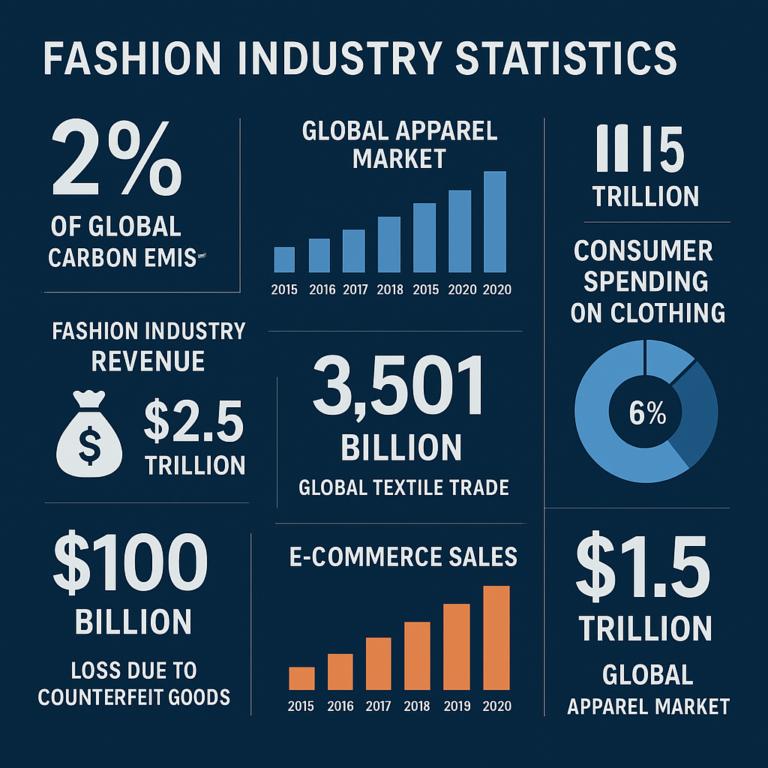
- 📊 Global Fashion Industry Statistics and Market Value Breakdown
- 🌍 Regional Fashion Hubs: Beyond the Top Five
- 👗 Fast Fashion vs. Luxury: How Country Economies Compare
- 👟 Streetwear, Sustainability, and the Future of National Brands
- 🧐 How to Identify the True Fashion Capital for Your Style
- 💡 Quick Tips and Facts: Style Secrets from the Pros
- 🏁 Conclusion
- 🔗 Recommended Links
- 📚 Reference Links
⚡️ Quick Tips and Facts
Before we dive into the deep end of the fashion ocean, let’s grab a life preserver of some hard-hitting truths that might just flip your perspective on what “bigest” really means.
- Size isn’t everything: While the United States boasts the largest consumer market, China dominates the manufacturing landscape. It’s like comparing a massive shopping mall to the factory that builds the mall’s shelves.
- The “Big Three” aren’t the only players: France, Italy, and the US often hog the spotlight, but countries like South Korea and Turkey are quietly rewriting the rules of global influence.
- Luxury vs. Volume: A country can have the highest revenue (USA) but the lowest luxury prestige (depending on who you ask). Conversely, France might sell fewer items than China, but their brand equity is worth a small nation’s GDP.
- Sustainability is the new currency: The “bigest” industry of the future won’t just be about who sells the most; it will be about who produces the least waste. India and Portugal are leading the charge here.
- Digital Dominance: Don’t sleep on China’s e-commerce ecosystem. Platforms like Taobao and Douyin move more fashion inventory in a day than Paris moves in a decade.
For a deeper dive into the sheer scale of this beast, check out our breakdown on 🌍 How Big Is the Fashion Industry Market? (2026).
📜 A Brief History of Global Fashion Powerhouses

You might think fashion is a modern obsession, but the battle for the fashion crown has been raging for centuries. It started not with a bang, but with a silk robe in the court of Louis XIV.
The French Monopoly
In the 17th century, France didn’t just participate in fashion; they invented the concept of the “fashion industry.” King Louis XIV used clothing as a tool of statecraft. If you weren’t wearing the latest Parisian trend, you weren’t in the room. This era birthed the haute couture system, a standard that still dictates luxury today.
The Industrial Shift
Fast forward to the 19th century, and the Industrial Revolution hit. Suddenly, England (specifically Manchester and Leeds) became the textile engine of the world. While Paris designed the clothes, the British machinery made them accessible. This is where the seed of fast fashion was planted, long before Zara or H&M existed.
The American Takeover
The 20th century saw the United States rise. Why? Because Americans needed practical, durable clothes for work and war. Levi’s jeans and Chanel (yes, the French icon, but popularized globally by Americans) became staples. The US shifted the focus from “who makes the best dress” to “who makes the best lifestyle.”
The Asian Explosion
By the late 20th century, the baton passed to Asia. Japan introduced deconstructivism in the 80s, and China became the “world’s factory.” Today, South Korea is the new cool kid on the block, exporting K-pop style to the world.
Did you know? The term “fashion week” wasn’t always a global circuit. It started in Paris in 1973, but the modern “Big Four” (NY, London, Milan, Paris) only solidified in the 90s.
🏆 The Ultimate Showdown: Which Country Has the Biggest Fashion Industry?
So, here is the million-dollar question: Who wins?
If we define “bigest” by total market value, the answer is the United States. They have the most money to spend.
If we define “bigest” by production volume, the answer is China. They make the most clothes.
If we define “bigest” by cultural influence and prestige, the answer is France. They set the trends.
It’s a three-way tie, depending on which scoreboard you’re looking at! Let’s break down the contenders.
🇺🇸 United States: The Colossal Consumer Market
The USA is the undisputed heavyweight champion of consumer spending. With a population that loves to shop and a culture that celebrates individuality, the American fashion market is a beast.
Why the US Dominates
- Market Size: The US fashion market is valued in the hundreds of billions, dwarfing almost every other nation in pure revenue.
- Streetwear Revolution: Brands like Supreme, Off-White, and Nike have turned sneakers into investment assets.
- Tech Integration: American brands are leading the charge in e-commerce and virtual try-ons.
The Downside
- Fast Fashion Reliance: The US is the biggest importer of cheap clothing, contributing significantly to textile waste.
- Lack of Heritage: Compared to Europe, American “luxury” is often seen as more commercial and less artisanal.
Stylist Tip: When shopping American brands, look for heritage labels like Levi’s or Ralph Lauren for timeless pieces, and Nike or Adidas (German brand, but huge in US) for street cred.
👉 Shop US Fashion Brands on:
- Amazon: Search for American Streetwear Brands
- Brand Official: Nike Official Store | Levi’s Official Store
🇨🇳 China: The Manufacturing Giant and Rising Design Star
If the US is the wallet, China is the hands. They produce a staggering percentage of the world’s clothing. But don’t mistake them for just a factory; Chinese fashion is evolving rapidly.
The Manufacturing Powerhouse
- Volume: China produces over 50% of the world’s textiles.
- Speed: From design to shelf, Chinese supply chains are incredibly fast, fueling the “ultra-fast fashion” model.
The Design Renaissance
- Guochao: This is a movement where young Chinese consumers are embracing domestic brands over Western ones. Brands like Li-Ning and Bosideng are now cool.
- Digital First: China’s fashion industry is built on apps like TikTok (Douyin) and WeChat, making them the most advanced in digital marketing.
The Challenge
- Perception: Overcoming the “cheap quality” stigma is still a work in progress for many global consumers.
👉 Shop Chinese Brands on:
- Amazon: Search for Li-Ning
- Brand Official: Li-Ning Official | Peacebird Official
🇫🇷 France: The Unrivaled Capital of Luxury and Haute Couture
Paris is not just a city; it’s a religion for fashion lovers. France holds the title of the most influential fashion industry, even if it’s not the biggest by volume.
The Luxury Titans
- LVMH & Kering: These two conglomerates own Louis Vuiton, Dior, Gucci, and Saint Laurent. They control the global luxury narrative.
- Haute Couture: Only houses in Paris can legally use the term “Haute Couture.” It’s a protected status.
The Cultural Impact
- Trendsetting: What happens in Paris Fashion Week ripples out to the rest of the world.
- Craftsmanship: French fashion is synonymous with high-quality fabrics and meticulous tailoring.
The Drawback
- Exclusivity: The price tags are astronomical, making it inaccessible for the average consumer.
👉 Shop French Luxury on:
- Amazon: Search for Louis Vuiton Accessories
- Brand Official: Dior Official | Chanel Official
🇮🇹 Italy: The Heartbeat of Craftsmanship and Leather Goods
If France is the brain, Italy is the heart. Italian fashion is defined by luxury materials, leather goods, and family-run heritage.
Why Italy Shines
- Leather Mastery: From Gucci bags to Tod’s loafers, Italy makes the best leather in the world.
- Textile Excellence: The region of Prato is a historic hub for wool and fabric innovation.
- Made in Italy: This label is a global seal of quality.
The Vibe
- Elegance: Italian style is about looking expensive without trying too hard. It’s the art of la dolce vita.
👉 Shop Italian Brands on:
- Amazon: Search for Gucci Belts
- Brand Official: Prada Official | Armani Official
🇬🇧 United Kingdom: The Home of Avant-Garde and Street Style
London is the chaotic, creative, and rebellious sibling of the fashion world. It’s where punk, grunge, and streetwear collide with high fashion.
The Creative Engine
- Education: Schools like Central Saint Martins produce the world’s most innovative designers (think Alexander McQueen and Stella McCartney).
- Street Style: London Fashion Week is famous for its off-runway looks, often more talked about than the clothes themselves.
The Brands
- Burberry: The icon of British heritage.
- Superga & Dr. Martens: Footwear that defined generations.
👉 Shop UK Brands on:
- Amazon: Search for Dr. Martens Boots
- Brand Official: Burberry Official | Alexander McQueen Official
🇯🇵 Japan: The Pioneer of Deconstructivism and Tech-Textiles
Japan doesn’t follow trends; it creates them. The Japanese fashion scene is a unique blend of extreme minimalism, deconstruction, and futuristic technology.
Key Movements
- The 80s Revolution: Designers like Yohji Yamoto and Rei Kawakubo (Come des Garçons) challenged the very definition of beauty with oversized, asymetrical silhouettes.
- Tech-Textiles: Brands like Uniqlo have revolutionized basic wear with high-tech fabrics (Heatech, Airism).
The Aesthetic
- Harajuku: A district known for its wild, colorful, and eclectic street style.
- Minimalism: The “less is more” philosophy is deeply rooted in Japanese culture.
👉 Shop Japanese Brands on:
- Amazon: Search for Uniqlo
- Brand Official: Come des Garçons Official | Isey Miyake Official
🇰🇷 South Korea: The K-Fashion Phenomenon and Digital Dominance
South Korea is the new kid on the block, but they are running the race. K-Fashion is driven by K-Pop, K-Dramas, and a hyper-connected digital culture.
Why K-Fashion is Winning
- Speed to Market: Korean brands can design, produce, and ship a new trend in weeks.
- Aesthetic: Focus on cute, chic, and layered looks that are highly Instagramable.
- Beauty Integration: Fashion and beauty are inseparable in Korea; the “glass skin” look pairs with the “glassy” fashion aesthetic.
The Global Reach
- Brands like Jun.J and Woyoungmi are gaining cult followings in the West.
👉 Shop K-Fashion on:
- Amazon: Search for Korean Streetwear
- Brand Official: Musinsa Official | 29CM Official
🇮🇳 India: The Textile Titan and Sustainable Future
India is the oldest textile nation in the world, and it’s making a massive comeback as a sustainable and luxury hub.
The Strengths
- Handloom & Craft: India is the world’s largest producer of cotton and silk.
- Sustainability: With a focus on natural dyes and handcrafted techniques, India is leading the slow fashion movement.
- Emerging Luxury: Brands like Fabindia and Sabyasachi are putting Indian design on the global luxury map.
The Challenge
- Infrastructure: Logistics and supply chain issues can sometimes slow down the export of high-end goods.
👉 Shop Indian Brands on:
- Amazon: Search for Fabindia
- Brand Official: Fabindia Official | Sabyasachi Official
📊 Global Fashion Industry Statistics and Market Value Breakdown
Let’s look at the numbers. While exact rankings fluctuate, here is a snapshot of the global fashion landscape based on recent data.
| Country | Primary Strength | Estimated Market Value (USD) | Key Brands |
|---|---|---|---|
| USA | Consumer Market | $360 Billion+ | Nike, Levi’s, Ralph Lauren |
| China | Manufacturing & E-commerce | $30 Billion+ | Li-Ning, Peacebird, Shein |
| France | Luxury & Prestige | $10 Billion+ | LVMH, Kering, Chanel |
| Italy | Craftsmanship & Leather | $90 Billion+ | Gucci, Prada, Armani |
| UK | Street Style & Innovation | $40 Billion+ | Burberry, ASOS, Dr. Martens |
| Japan | Tech & Minimalism | $35 Billion+ | Uniqlo, Comme des Garçons |
| South Korea | Digital & Trends | $25 Billion+ | Musinsa, Gentle Monster |
Note: Values are approximate and based on aggregate market data from various industry reports.
🌍 Regional Fashion Hubs: Beyond the Top Five
It’s not just about the big five. Let’s look at the rising stars that are shaking up the industry.
🇸🇪 Sweden: The Sustainable Giant
Home to H&M, Sweden is the birthplace of conscious fashion. Brands like Acne Studios and COS bring minimalist chic to the masses.
🇹🇷 Turkey: The Bridge Between East and West
Istanbul is a manufacturing powerhouse for European brands. They are known for high-quality denim and textiles.
🇧🇷 Brazil: The Colorful Powerhouse
Brazil is famous for beachwear and vibrant prints. Brands like Havaianas have become global icons.
🇦🇺 Australia: The Surf & Lifestyle Capital
From Billabong to Zimmermann, Australia dominates the resort wear and surf culture sectors.
👗 Fast Fashion vs. Luxury: How Country Economies Compare
The fashion world is split between Fast Fashion (volume, speed, low cost) and Luxury (scarcity, quality, high cost).
- Fast Fashion Leaders: China, Bangladesh, Turkey, Spain (Zara).
- Luxury Leaders: France, Italy, USA (Calvin Klein, though more premium than ultra-luxury).
The Conflict:
Fast fashion brands are trying to move upmarket, while luxury brands are trying to capture the mass market with “affordable luxury” lines. This creates a weird middle ground where quality is often compromised for brand name.
Stylist Insight: Don’t get caught in the trap of “affordable luxury.” A $30 shirt from a fast-fashion brand is rarely better than a $150 shirt from a mid-tier heritage brand.
👟 Streetwear, Sustainability, and the Future of National Brands
The future of fashion isn’t about one country winning; it’s about hybridization.
- Streetwear: Born in the US and Japan, now global. Supreme (US) x Louis Vuiton (France) is the ultimate example.
- Sustainability: Portugal and India are becoming the go-to places for eco-friendly manufacturing.
- Digital Fashion: China and South Korea are leading the way in virtual clothing and NFTs.
The Future Question:
Will we see a world where nationality matters less than values? Will we buy from the brand that aligns with our ethics, regardless of where it’s made?
🧐 How to Identify the True Fashion Capital for Your Style
So, how do you find your fashion home?
- Define Your Aesthetic: Do you love minimalism? Look to Japan or Sweden. Do you love glamour? France or Italy.
- Check the Supply Chain: If you care about ethics, look for brands made in Portugal or India.
- Follow the Trends: If you want to be ahead of the curve, follow Korean or American street style.
Pro Tip: Don’t limit yourself to one country. The best style is a global mix. Pair a French blazer with Japanese denim and Italian shoes.
💡 Quick Tips and Facts: Style Secrets from the Pros
Here are some final nugets of wisdom from the Clothing Brands™ team:
- The “50% Rule”: If you don’t love a piece 50% more than your current wardrobe, don’t buy it.
- Fabric First: Always check the label. 10% cotton or wol breathes better than polyester blends.
- The “One In, One Out” Policy: To keep your closet sustainable, donate an old item for every new one you buy.
- Invest in Basics: Spend more on a great white t-shirt and jeans than on a trendy dress you’ll wear once.
👉 Shop Sustainable Basics on:
- Amazon: Search for Organic Cotton Tes
- Brand Official: Patagonia Official | Everlane Official
🏁 Conclusion

So, which country has the biggest fashion industry?
The answer is: It depends on what you value.
- If you value money spent, it’s the USA.
- If you value clothes made, it’s China.
- If you value style and prestige, it’s France.
- If you value craftsmanship, it’s Italy.
- If you value innovation, it’s South Korea or Japan.
The fashion industry is a global ecosystem, not a single winner. The “bigest” country is the one that best serves your personal style and values. Whether you’re rocking a French trench, American sneakers, or Japanese deconstructed layers, you are part of this global tapestry.
Final Thought:
Don’t let the numbers fool you. The biggest fashion industry in the world is the one you build in your own closet. Dress in style with Clothing Brands™, and remember: the best trend is confidence.
🔗 Recommended Links
Ready to upgrade your wardrobe with the best from around the globe? Check out these curated picks:
- Luxury Essentials:
Louis Vuiton: Shop on Amazon | Official Site
Gucci: Shop on Amazon | Official Site - Streetwear & Casual:
Nike: Shop on Amazon | Official Site
Uniqlo: Shop on Amazon | Official Site - Sustainable & Ethical:
Patagonia: Shop on Amazon | Official Site
Everlane: Shop on Amazon | Official Site - Books to Read:
The Fashion System by Roland Barthes: Find on Amazon
Dress Codes: How the Laws of Fashion Made History by Richard Thompson Ford: Find on Amazon
📚 Reference Links
- Statista: Premium Statistics on Fashion Industry (Note: Full data requires premium access)
- Fast Fashion News: Which countries are famous for their fashion?
- Vogue Business: Global Fashion Market Reports
- McKinsey & Company: The State of Fashion Reports
- WD (Women’s Wear Daily): Industry News and Analysis
FAQ

Which country is the largest exporter of fashion goods?
China is the largest exporter of fashion goods by volume. They supply a massive portion of the world’s clothing, textiles, and accessories. However, when looking at value (price per item), Italy and France often lead due to their high-end luxury exports.
What are the top fashion brands by country?
- USA: Nike, Levi’s, Ralph Lauren, Calvin Klein
- France: Louis Vuiton, Chanel, Dior, Hermès
- Italy: Gucci, Prada, Armani, Versace
- UK: Burberry, Alexander McQueen, Stella McCartney
- Japan: Uniqlo, Comme des Garçons, Isey Miyake
- South Korea: Musinsa, Gentle Monster, Jun.J
- Sweden: H&M, Acne Studios, COS
Read more about “🌍 Which Country Makes the Best Clothing? (2026)”
How does the fashion industry size compare between the US and China?
The US has the largest consumer market, meaning Americans spend the most money on fashion. China, on the other hand, has the largest production capacity, manufacturing the most physical items. The US imports heavily from China, creating a symbiotic but complex relationship.
Which European country has the most influential fashion industry?
France is widely considered the most influential due to its haute couture heritage and the dominance of French luxury conglomerates (LVMH, Kering). However, Italy is a close second, particularly in leather goods and textile quality, while the UK leads in avant-garde design and street style.
Read more about “🌍 Top 25 Clothing Brands in the World (2026): The Ultimate Global Style Guide”
Is the fashion industry growing or shrinking?
The industry is growing, but the nature of that growth is changing. While fast fashion volume is slowing due to sustainability concerns, the luxury and sustainable fashion sectors are seeing significant growth. The shift is towards quality over quantity.
Read more about “What Is the Growth Rate of Clothing Brands? 📈 (2026 Insights)”
How does K-Fashion compare to Western fashion?
K-Fashion is known for its speed, digital integration, and unique aesthetics (often blending cute and chic). It is heavily influenced by K-Pop and K-Dramas. Unlike Western fashion, which often focuses on individual expression, K-Fashion often embraces cordinated group styles and trend-driven cycles.
What is the future of the global fashion industry?
The future lies in sustainability, digitalization, and inclusivity. We expect to see more virtual fashion, circular economy models (resale and rental), and a shift towards local production to reduce carbon footprints. The “bigest” industry will be the one that adapts best to these changes.
Read more about “🌍 How Big Is the Fashion Industry Market? (2026)”